
EPISODE · Mar 17, 2026 · 59 MIN
Is Marriage Sex Work? | Power, Morality & the Myth of Respectability
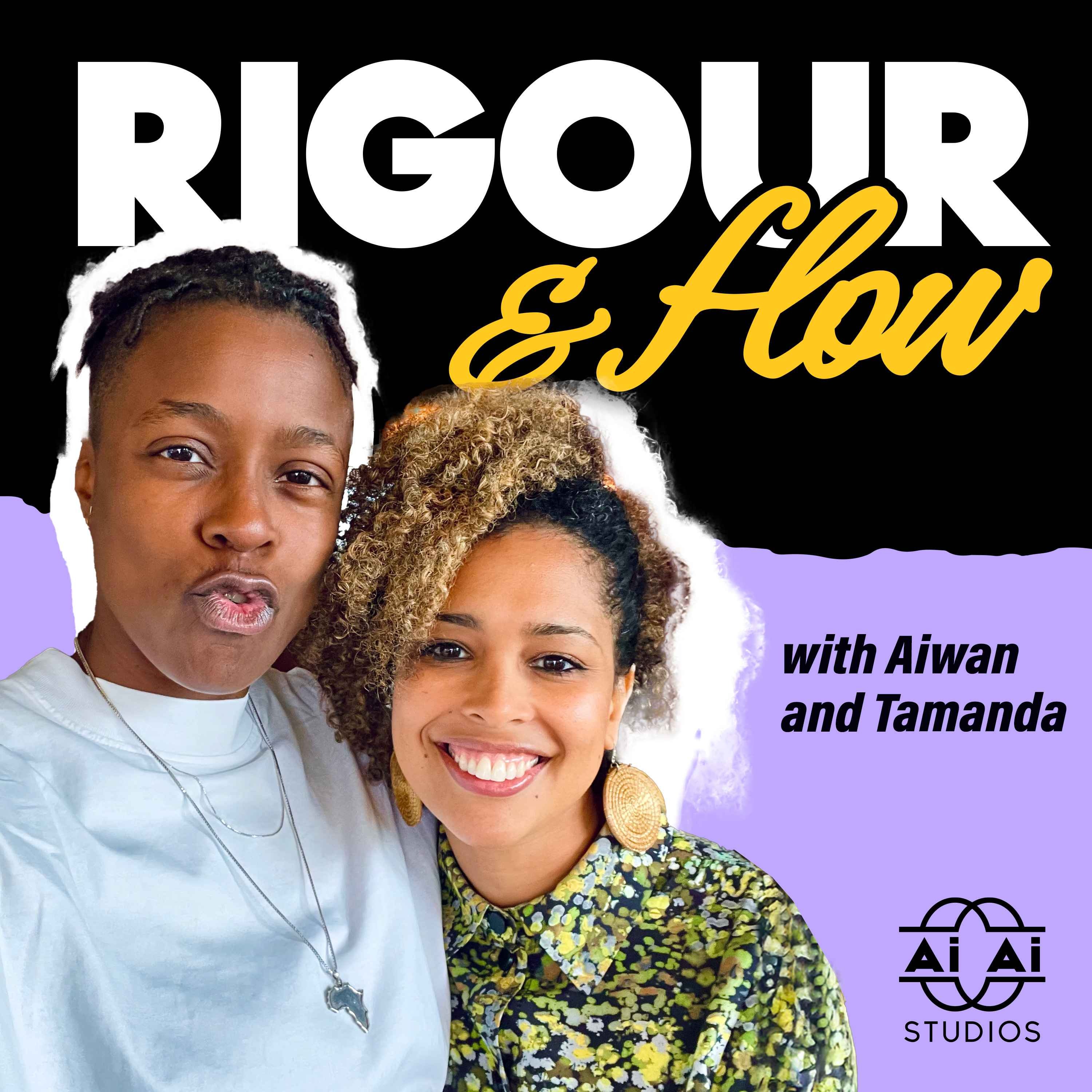
from Rigour & Flow with Aiwan and Tamanda
From sex work in Georgian England to modern debates on marriage, consent and criminalisation, this episode of Rigour & Flow focuses on women’s perspectives on power, survival and who gets to define respectability. We start by discussing the historical drama Harlots, a series set in 18th-century London that centres the lives of women working in the sex trade. Written by women, the show offers a refreshing lens on the world’s “oldest profession.” Instead of caricatures or moral judgement, we see the economic realities, survival strategies and brutal power dynamics shaping women’s lives. Our behind-the-scenes conversation evolves to consider what happens when women control the narrative. When the story is told from a woman’s experience, the hypocrisy of power becomes harder to ignore. In this case, the series depicts men not as romantic heroes but as unrefined figures of entitlement and violence. From there, we move beyond the show. Exploring the politics of sex work today, the consequences of criminalising sex work, and some unconsidered parallels between sex work and marriage as historical economic transactions. religion, law and survival as we draw attention to the structures and hierarchies societies build around sex and sex work. Finally, the episode then turns personal. As Aiwan and Tamanda reflect on their own perspectives on sex work, the sociology behind it and why an 18th-century dominatrix in Harlots - who flips the power dynamic entirely - represents a radically different form of agency for women. Underneath the humour and cultural critique runs the question: What exactly is sex work and what does it tell us about women’s lives today? 🎙️ In this episode:Women holding the pen: Why Harlots tells a truer story of women’s livesNo heroes here: What women-centred storytelling exposes about male power and hypocrisySurvival for sale: Sex work, status and the brutal economics of being a woman in Georgian EnglandWhen payment becomes permission: Consent, coercion and the fiction of contractual sexHoly performance: Religion, shame and Florence’s use of faith as shield and strategyMarriage as transaction: Why the line between wifehood and sex work is not as neat as we pretendMurky power: Secrets, brothels and the influence women hold inside patriarchal systemsWhips, wit and reversal: Nancy Birch and the seductive idea of women turning power back on men 🎧 Listen wherever you get your podcasts 🎥 Watch the full episode on YouTube: https://youtu.be/ivPBaWFO4sE🔁 Share with someone interested in culture, feminism and social powerPlease rate, review and subscribe for weekly episodes.Connect with us on:TikTokInstagramLinkedInAiAi StudiosRoots & RigourThis is an AiAi Studios Production©AiAi Studios 2025 Hosted on Acast. See acast.com/privacy for more information.
Embed this episode
Ready to play
Is Marriage Sex Work? | Power, Morality & the Myth of Respectability
No transcript for this episode yet
Similar Episodes
No similar episodes found.
Similar Podcasts
No similar podcasts found.