
EPISODE · Mar 13, 2026 · 24 MIN
Is "No." A Complete Sentence?
from Siddhartha K · host Siddhartha Khullar
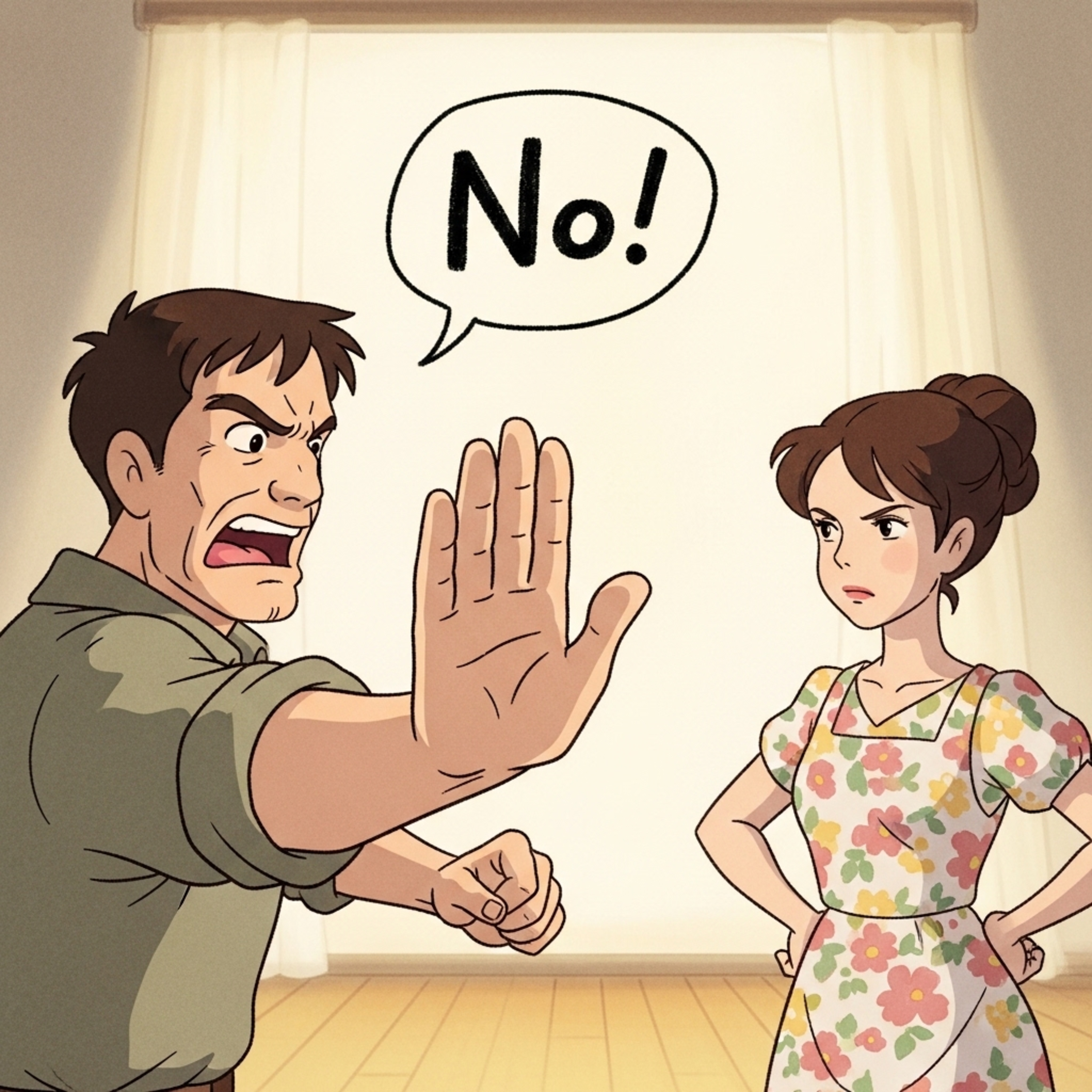
“No is a complete sentence.”You’ve probably heard this phrase many times. It is often presented as a powerful symbol of boundaries, self-respect, and personal empowerment. But is it really that simple?In this episode, I take a closer look at this popular idea and examine what it actually means in the context of real human relationships.The phrase originally emerged from therapeutic settings to help people who struggle with people-pleasing, guilt, and the inability to refuse requests. For them, the reminder that they do not need to justify every decision can be deeply liberating.However, once the phrase moved into popular culture and social media, much of its nuance disappeared.Today, “No is a complete sentence” is often used as a slogan that discourages dialogue altogether. In some cases, it promotes avoidance and emotional shutdown while presenting it as empowerment.In this episode, we explore:• The original psychological meaning of the phrase• How social media simplified and distorted the idea• The difference between boundaries and avoidance• Why healthy boundaries usually require communication• When a simple “no” is appropriate• Why explanation can actually strengthen boundaries rather than weaken themReal relationships are not built on slogans. They are built on clarity, empathy, and communication.You do not owe everyone an explanation for your decisions. But in relationships that matter, a small amount of clarity can preserve trust and understanding.This conversation explores how to balance autonomy with connection, and why the real skill is not simply saying “no,” but saying it in a way that maintains both self-respect and relational respect.If you enjoy thoughtful conversations about psychology, boundaries, relationships, and personal growth, this channel explores these topics in depth.#boundaries #relationships #psychology #communication #personalgrowth #selfawareness #emotionalintelligence
What this episode covers
“No is a complete sentence.”You’ve probably heard this phrase many times. It is often presented as a powerful symbol of boundaries, self-respect, and personal empowerment. But is it really that simple?In this episode, I take a closer look at this popular idea and examine what it actually means in the context of real human relationships.The phrase originally emerged from therapeutic settings to help people who struggle with people-pleasing, guilt, and the inability to refuse requests. For them, the reminder that they do not need to justify every decision can be deeply liberating.However, once the phrase moved into popular culture and social media, much of its nuance disappeared.Today, “No is a complete sentence” is often used as a slogan that discourages dialogue altogether. In some cases, it promotes avoidance and emotional shutdown while presenting it as empowerment.In this episode, we explore:• The original psychological meaning of the phrase• How social media simplified and distorted the idea• The difference between boundaries and avoidance• Why healthy boundaries usually require communication• When a simple “no” is appropriate• Why explanation can actually strengthen boundaries rather than weaken themReal relationships are not built on slogans. They are built on clarity, empathy, and communication.You do not owe everyone an explanation for your decisions. But in relationships that matter, a small amount of clarity can preserve trust and understanding.This conversation explores how to balance autonomy with connection, and why the real skill is not simply saying “no,” but saying it in a way that maintains both self-respect and relational respect.If you enjoy thoughtful conversations about psychology, boundaries, relationships, and personal growth, this channel explores these topics in depth.#boundaries #relationships #psychology #communication #personalgrowth #selfawareness #emotionalintelligence
NOW PLAYING
Is "No." A Complete Sentence?
No transcript for this episode yet
Similar Episodes
Feb 24, 2026 ·13m
Feb 17, 2026 ·9m
Feb 11, 2026 ·7m
Feb 3, 2026 ·7m
Jan 27, 2026 ·8m
Jan 20, 2026 ·7m