Is Nuclear Fusion Coming Anytime Soon? episode artwork

EPISODE · Mar 9, 2018 · 37 MIN

Is Nuclear Fusion Coming Anytime Soon?

from CrowdScience · host BBC World Service

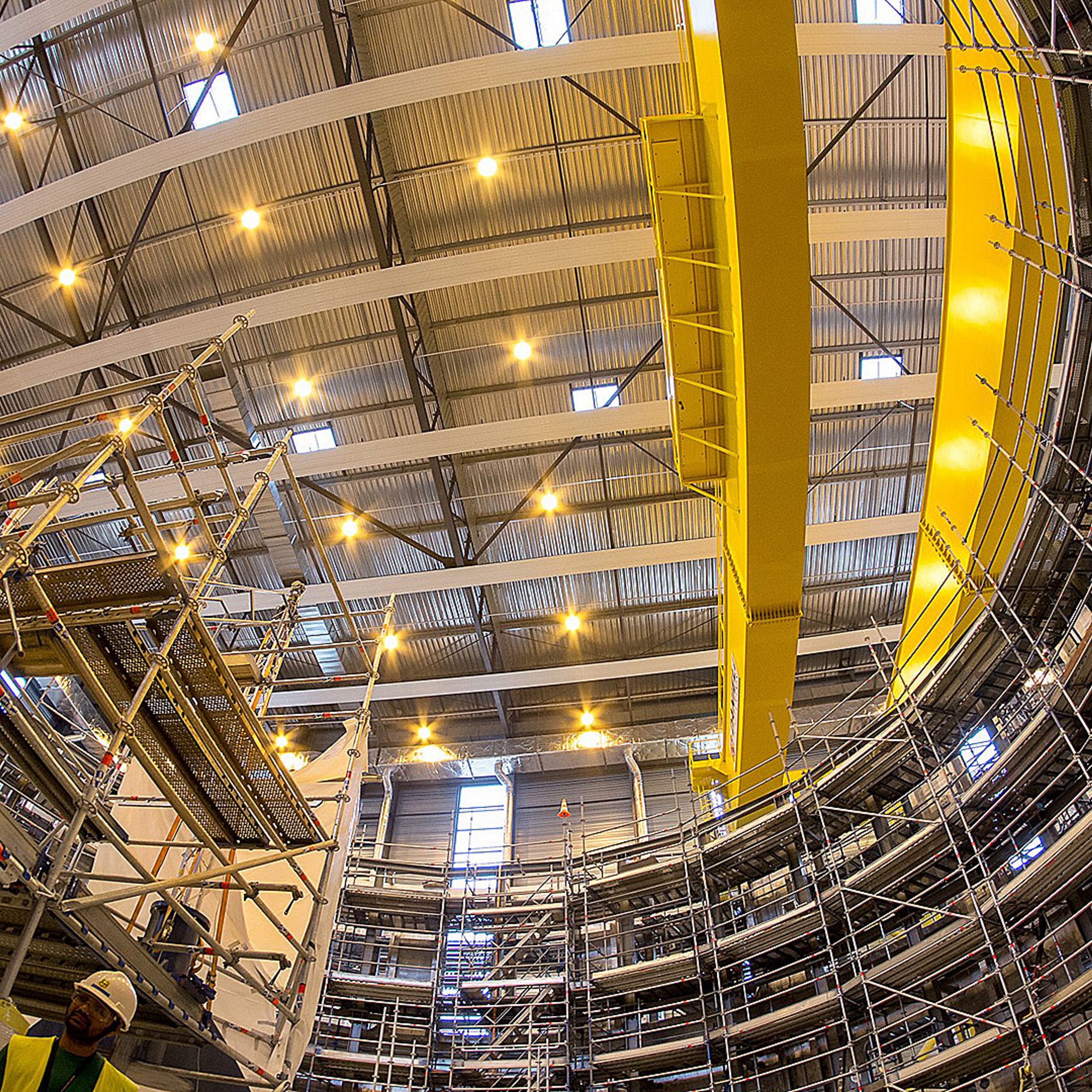
Unlike nuclear fission power stations, which leave harmful radioactive waste to be stored or disposed of for thousands of years, a nuclear fusion power plant would create precious little burden on future generations. The fuel source would be seawater, and the energy created limitless. Back in the 1950s, the technology to “tame the hydrogen bomb” seemed just a few decades away from practical deployment, and governments across the divide of the cold war shared the challenges, costs and laboratories.But to the outsider, it might look like progress has been slow. In 1997 the Joint European Torus at Culham in the UK set the world record for energy released from a controlled fusion reaction, but even that was less than the energy was put in. Keeping the plasma – the super-hot atoms of exotic types of hydrogen – at temperatures many times the temperature of the sun safely in place inside a magnetic field is not a trivial task. Last year construction of the International Experimental Thermonuclear Reactor, ITER, reached its halfway point at its huge home in France, and if all goes to plan it should produce its first plasma by 2025. The hope is that operational fusion reactions will take place within a decade after that, paving the way for its successor DEMO - which would actually generate electricity - to be built sometime before 2050.But in parallel with the big intergovernmental roadmap, in recent years a number of small commercial startups have joined the race to achieve commercial fusion energy. With their various different approaches and more ambitious timelines, will the private sector beat the publicly funded science to the goal?Presenter: Bobbie Lakhera Producer: Alex Mansfield(Photo of ITER Organization, with permission)

Unlike nuclear fission power stations, which leave harmful radioactive waste to be stored or disposed of for thousands of years, a nuclear fusion power plant would create precious little burden on future generations. The fuel source would be seawater, and the energy created limitless. Back in the 1950s, the technology to “tame the hydrogen bomb” seemed just a few decades away from practical deployment, and governments across the divide of the cold war shared the challenges, costs and laboratories.But to the outsider, it might look like progress has been slow. In 1997 the Joint European Torus at Culham in the UK set the world record for energy released from a controlled fusion reaction, but even that was less than the energy was put in. Keeping the plasma – the super-hot atoms of exotic types of hydrogen – at temperatures many times the temperature of the sun safely in place inside a magnetic field is not a trivial task. Last year construction of the International Experimental Thermonuclear Reactor, ITER, reached its halfway point at its huge home in France, and if all goes to plan it should produce its first plasma by 2025. The hope is that operational fusion reactions will take place within a decade after that, paving the way for its successor DEMO - which would actually generate electricity - to be built sometime before 2050.But in parallel with the big intergovernmental roadmap, in recent years a number of small commercial startups have joined the race to achieve commercial fusion energy. With their various different approaches and more ambitious timelines, will the private sector beat the publicly funded science to the goal?Presenter: Bobbie Lakhera Producer: Alex Mansfield(Photo of ITER Organization, with permission)

NOW PLAYING

Is Nuclear Fusion Coming Anytime Soon?

0:00 37:21

No transcript for this episode yet

We transcribe on demand. Request one and we'll notify you when it's ready — usually under 10 minutes.

No similar episodes found.

No similar podcasts found.

Frequently Asked Questions

How long is this episode of CrowdScience?

This episode is 37 minutes long.

When was this CrowdScience episode published?

This episode was published on March 9, 2018.

What is this episode about?

Unlike nuclear fission power stations, which leave harmful radioactive waste to be stored or disposed of for thousands of years, a nuclear fusion power plant would create precious little burden on future generations. The fuel source would be...

Can I download this CrowdScience episode?

Yes, you can download this episode by clicking the download button on the episode player, or subscribe to the podcast in your preferred podcast app for automatic downloads.
URL copied to clipboard!