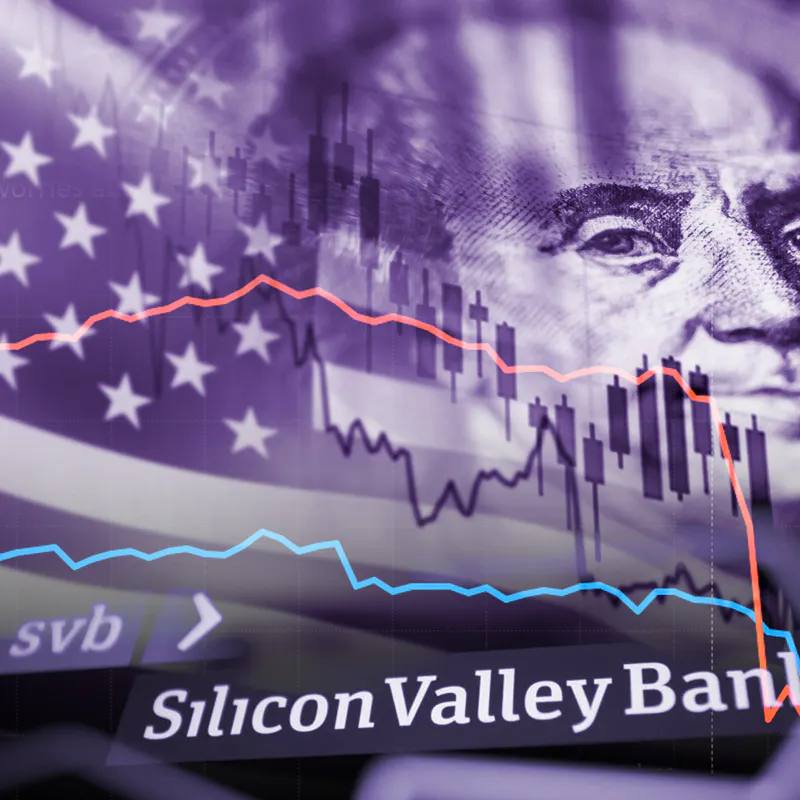
Is the Banking System Safer Than It Was in 2008? episode artwork

EPISODE · Apr 21, 2023 · 53 MIN

Is the Banking System Safer Than It Was in 2008?

from Open to Debate · host Open to Debate

When the Great Recession struck, it was the start of the most significant economic downturn since the Great Depression of the 1930s. A slumping housing market revealed vulnerabilities of huge numbers of mortgage-backed securities and derivatives. In the aftermath, unemployment soared to 10%. GDP dropped by more than 4%, and federal authorities unleashed a series of unprecedented fiscal and monetary policies aimed at stemming the bleeding. When the dust finally settled, legislators and regulators pushed through a series of reforms meant to prevent the repeat of such a calamity. Fast forward to 2023 and the global banking system may be facing its most significant crisis since 2008. Within a short span, a run on deposits at Silicon Valley Bank quickly led to the third-largest bank failure in U.S. history, with Switzerland's Credit Suisse later seeking government lifelines. A second US regional bank — Signature Bank — failed, and a third — First Republic Bank — was propped up. To some, these are signs of the kinds of broader risks the global economy stared down in 2008. A combination of factors, including an eroding of regulations, sharp interest rate rises, mismanagement at banks, coupled with the overarching uncertainty of volatile crypto landscape, have raised new questions about the scale of turmoil that could confront markets. This cocktail of risks, some argue, has added such dangers to banking systems that it is no longer safer than it was in 2008. Others disagree. As bad this recent crisis appears to be, they say, regulatory reforms and liquidity requirements have made significant strides since the days of 2008. The system also effectively contained the contagion, something that required far greater government intervention in 2008. In that context, we debate the following question: Is the Banking System Safer Than It Was in 2008?  Arguing YES: Jason Furman, Former Chairman, Council of Economic Advisers    Arguing NO: Gillian Tett , Editor-at-Large, Financial Times (U.S.)  Emmy award-winning journalist John Donvan moderates  Learn more about your ad choices. Visit podcastchoices.com/adchoices

When the Great Recession struck, it was the start of the most significant economic downturn since the Great Depression of the 1930s. A slumping housing market revealed vulnerabilities of huge numbers of mortgage-backed securities and derivatives. In the aftermath, unemployment soared to 10%. GDP dropped by more than 4%, and federal authorities unleashed a series of unprecedented fiscal and monetary policies aimed at stemming the bleeding. When the dust finally settled, legislators and regulators pushed through a series of reforms meant to prevent the repeat of such a calamity. Fast forward to 2023 and the global banking system may be facing its most significant crisis since 2008. Within a short span, a run on deposits at Silicon Valley Bank quickly led to the third-largest bank failure in U.S. history, with Switzerland's Credit Suisse later seeking government lifelines. A second US regional bank — Signature Bank — failed, and a third — First Republic Bank — was propped up. To some, these are signs of the kinds of broader risks the global economy stared down in 2008. A combination of factors, including an eroding of regulations, sharp interest rate rises, mismanagement at banks, coupled with the overarching uncertainty of volatile crypto landscape, have raised new questions about the scale of turmoil that could confront markets. This cocktail of risks, some argue, has added such dangers to banking systems that it is no longer safer than it was in 2008. Others disagree. As bad this recent crisis appears to be, they say, regulatory reforms and liquidity requirements have made significant strides since the days of 2008. The system also effectively contained the contagion, something that required far greater government intervention in 2008. In that context, we debate the following question: Is the Banking System Safer Than It Was in 2008?  Arguing YES: Jason Furman, Former Chairman, Council of Economic Advisers    Arguing NO: Gillian Tett , Editor-at-Large, Financial Times (U.S.)  Emmy award-winning journalist John Donvan moderates  Learn more about your ad choices. Visit podcastchoices.com/adchoices

NOW PLAYING

Is the Banking System Safer Than It Was in 2008?

0:00 53:17

No transcript for this episode yet

We transcribe on demand. Request one and we'll notify you when it's ready — usually under 10 minutes.

MG Show MG Show The MG Show, hosted by Jeffrey Pedersen and Shannon Townsend, is a leading alternative media platform dedicated to uncovering the truth behind today’s most pressing political issues. Launched in 2019, the show has grown exponentially, offering unfiltered insights, comprehensive research, and real-time analysis. With a commitment to independent journalism and factual integrity, the MG Show empowers its audience with knowledge and encourages active participation in the political discourse. Breaking News Show | eTurboNews Juergen Thomas Steinmetz News is relevant to the global travel and tourism industry, human rights and global issues.Breaking news when it happens and only from the source. Eat to Live Jenna Fuhrman, Dr. Fuhrman Our health is our most precious gift and smart nutrition can change your life. Each month, join Dr. Fuhrman and his daughter, Jenna Fuhrman as they discuss important topics in the world of nutrition. Eat to Live will change the way you eat and think about food. French Your Way Jessica: Native French teacher founder of French Your Way Boost your French listening skills and test your comprehension with this one of a kind series of podcasts. Get the chance to listen to a real conversation between native speakers talking at normal speed AND customise your learning experience through carefully designed sets of questions (2 levels of difficulty) available for download at www.frenchvoicespodcast.com. All interviews also come with the transcript. French teacher Jessica interviews native speakers of French from around the world who share a bit of their life and passion. Where else would you meet in one same place a French yoga teacher based in Melbourne, a soap manufacturer from Provence, or a couple cycling around the world?

Frequently Asked Questions

How long is this episode of Open to Debate?

This episode is 53 minutes long.

When was this Open to Debate episode published?

This episode was published on April 21, 2023.

What is this episode about?

When the Great Recession struck, it was the start of the most significant economic downturn since the Great Depression of the 1930s. A slumping housing market revealed vulnerabilities of huge numbers of mortgage-backed securities and derivatives. In...

Can I download this Open to Debate episode?

Yes, you can download this episode by clicking the download button on the episode player, or subscribe to the podcast in your preferred podcast app for automatic downloads.
URL copied to clipboard!