Is Your Doctor A Cholesterol Bully?
from Research Translation Podcast Hosted by David Newman
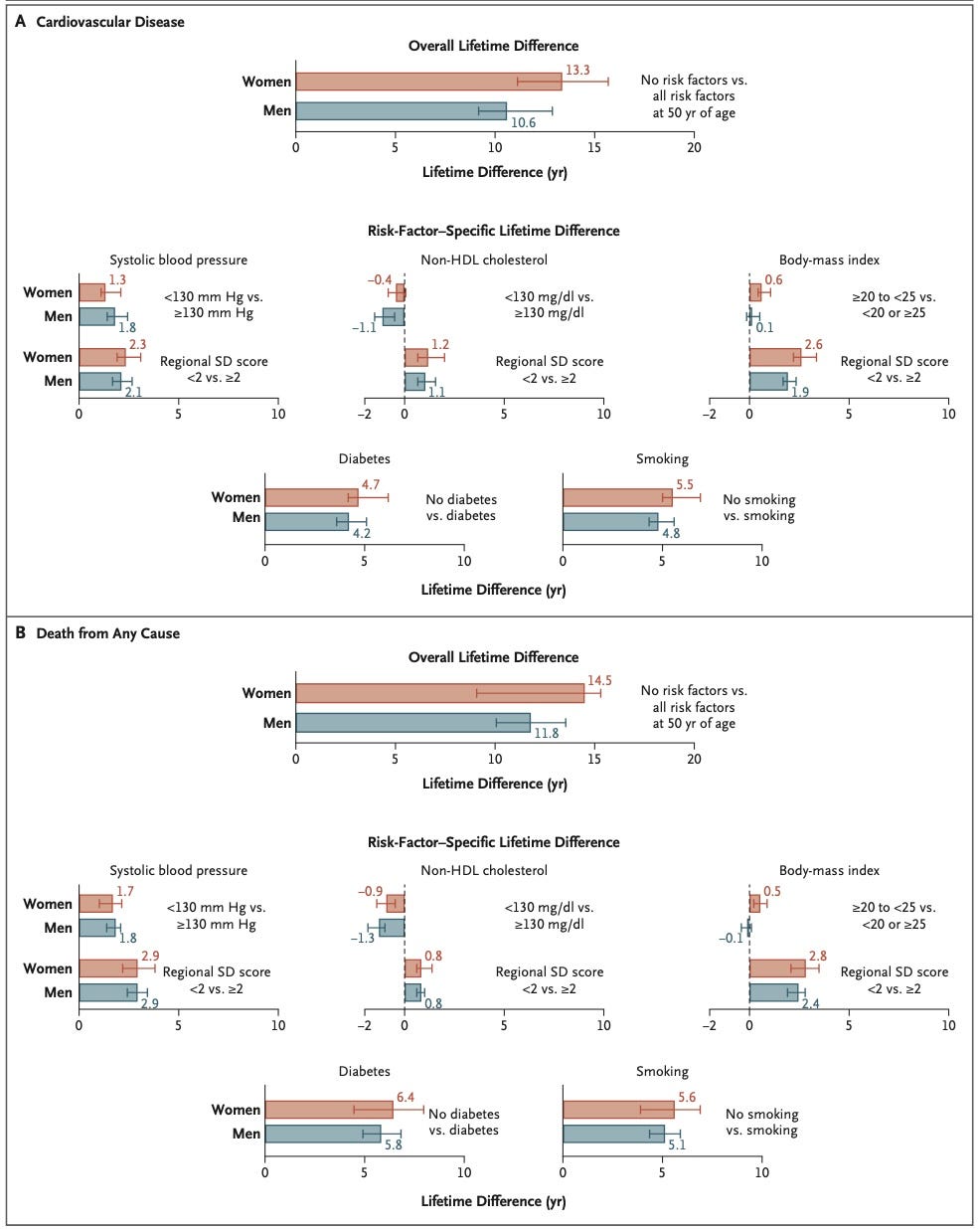
A friend of mine has a cholesterol of 258. Recently, when his new doctor saw this for the first time, she flipped. In addition to scolding him for not being on drugs, visibly shaken, she threatened to send him to the ER. For what, exactly, I cannot say. Emergency cholesterol-ectomy? Waterboarding? I found the story amazing, and emblematic of our cholesterol obsession, in which the molecule matters far more than the human. Later that evening NBC’s national news hammered the point home, gushing about a “gamechanger” new cholesterol pill, a “breakthrough,” “more effective than statins.” Let us clarify what they mean by effective. The new drug is enlicitide, approved by the FDA last week. I wrote about it in February when the first major trial results were published. Like other PCSK9 drugs, it lowered cholesterol dramatically—more ‘effectively’ than statins. But incredibly, it did not even pretend to reduce heart problems or deaths. It simply lowered cholesterol. Yay? This is objectively deranged, and perfectly highlights just how massive the chasm has become between the conventional wisdom on cholesterol and biological reality. So, before we go any further, let’s ground ourselves in a few basic, irrefutable facts. First, according to the American Heart Association, ‘elevated cholesterol’ means an LDL of 130 or higher (my friend’s is 160). And it may be useful to know that elevated cholesterol is not a risk factor for heart disease or death. Ya heard? Last year the biggest, best ever study of cardiac risk showed that calling cholesterol a risk factor is, and has always been, a mistake. With over 2 million participants in dozens of countries, some followed for nearly 50 years, the study found that an LDL >130 is associated with LIVING LONGER and FEWER HEART PROBLEMS. Facts. See figure below, and note that when the bars extend to the right of the vertical line, it means more CV disease (panel A) and higher mortality (panel B). Which is true for all of the risk factors EXCEPT FOR CHOLESTEROL, whose bars fall left of the lines. In contrast, high blood pressure, diabetes, obesity, and smoking were confirmed as true, and often powerful, risk factors, particularly diabetes and smoking. I am not making this up. Check my work. Though yes, I concede: The AHA, medical establishment, and mass media have all pretended not to notice the study (or any of its many progenitors). Importantly, a true understanding of these numbers requires nuance. In reality, about 1% of the population has familial hypercholesterolemia, with LDL levels routinely over 200. Particularly above 300, there is a meaningful association with heart disease and death. But including these people in the calculations pulls the overall average higher. Therefore it is true that for some people with LDL >130 (mostly way higher) cholesterol is a genuine risk factor. But incredibly, that also means the risk of ‘elevated cholesterol’ for people like my friend is even farther to the left—even more protective—than the study’s numbers suggest. All of which helps explain a finding that often shocks people: A careful reading of the data shows that, other than for people with known heart and vascular disease, lowering cholesterol does not extend lives and comes with very real dangers. Indeed, cholesterol reduction has been famously unsafe with some drugs. The fibrate and trapib medications, for instance, both reduced cholesterol—but increased deaths. Even statins, which are comparatively safe, can have serious and life-affecting dangers. This is why even the AHA, the world’s most cholesterol-obsessed group, only recommends lowering cholesterol when the baseline risk of a heart problem is high enough (specifically, 7.5%) that it outpaces the risks of the drug. When my friend and I did what his doctor should have, checked his risk on the AHA calculator, it was 4%. Plugging this into the RT statin checker, which personalizes benefits and harms, we saw that he is far more likely to be harmed than helped by statins. Even using the AHA’s happiest (read: b******t) numbers, statins are 4 to 15 times more likely to give him diabetes or painful muscle damage than to help him. And no matter how we slice the data, the drugs will not extend his life. But his doctor never checked. She simply saw an ‘elevated’ cholesterol—in a thin, athletic, otherwise healthy person—and lost her s**t. So whether it’s threatening healthy people with the ER, or news anchors gushing over a drug that lowers a number but doesn't extend a life, this is how modern medicine thinks about cholesterol. Molecules matter more than humans. Until that changes, the real breakthrough will never come from a new pill. It will only come from being informed, and using that information to stand up to cholesterol bullies. Get full access to Research Translation at researchtranslation.substack.com/subscribe
Embed this episode
No transcript yet.