
EPISODE · May 12, 2026 · 48 MIN
Jack Beaumont on Memory and the French DGSE
from The Live Drop
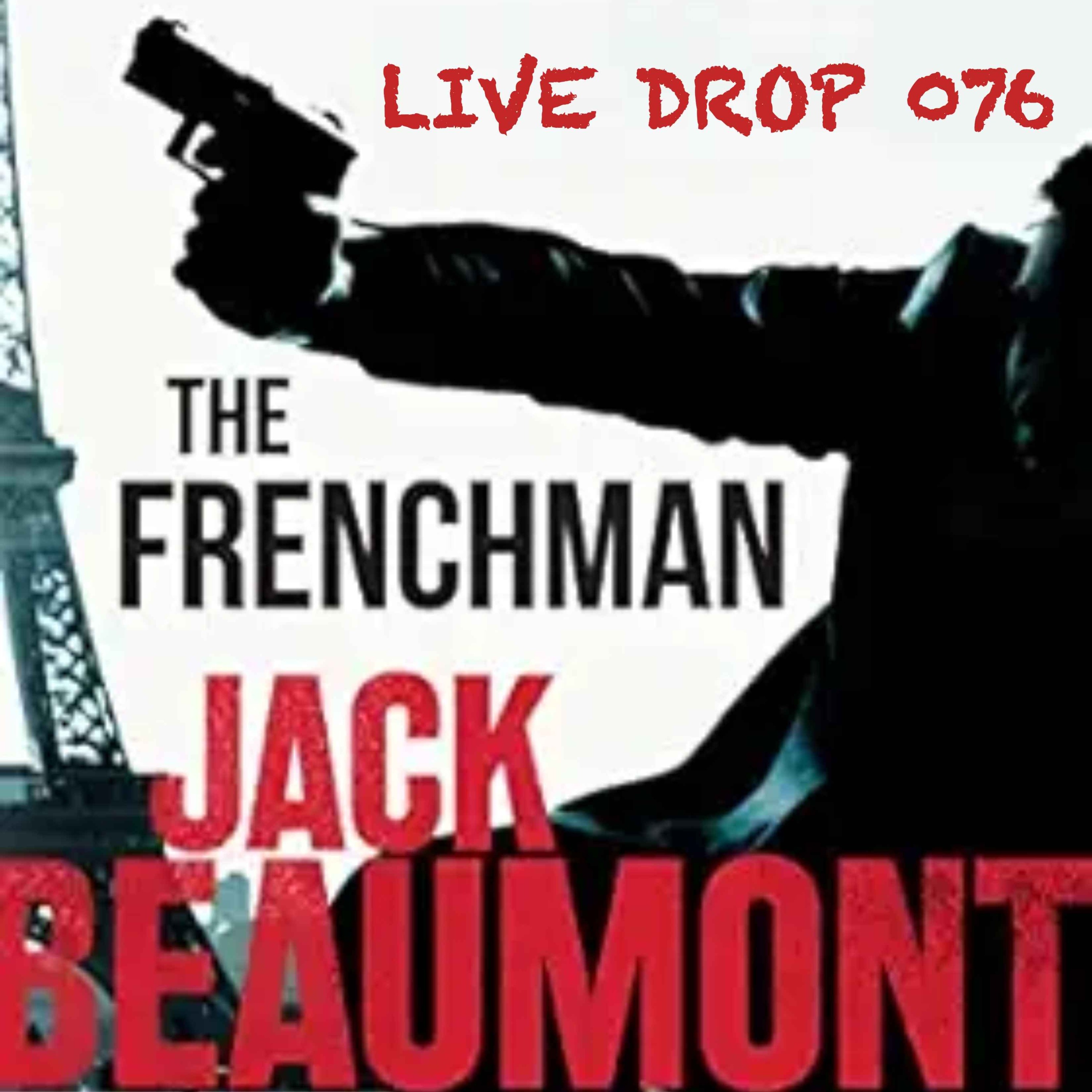
Jack Beaumont, a former DGSE (French external intelligence) operative, focusing on Beaumont's experiences, his writing process, and the themes of his espionage novels. Beaumont explains that his writing began as a therapeutic exercise to cope with PTSD from his intelligence work, initially not intended for publication. He emphasizes the importance of memory and meticulous detail in his novels, a habit developed from years of writing exhaustive mission reports for the DGSE, which required both objective intelligence and subjective, sensory-rich accounts. This attention to detail, including smells and sounds, shapes the immersive quality of his books.Beaumont discusses the psychological toll of intelligence work, particularly the challenge of maintaining multiple identities and the difficulty of returning to normal family life after missions. He describes how operatives often develop a 'dark side' to manipulate and recruit sources, sometimes leading to moral injury and high rates of divorce and suicide among operatives. He notes that PTSD in intelligence work is not just about trauma from danger, but also from ethical dilemmas and the manipulation or destruction of innocent lives for the sake of national security.The conversation explores the differences between the DGSE and agencies like the CIA and MI6. Beaumont highlights the French focus on human intelligence (HUMINT), rooted in the legacy of the French Resistance, as opposed to the American emphasis on technical intelligence (SIGINT, COMINT) due to larger budgets and resources. He explains the 'MICE' framework (Money, Ideology, Coercion, Ego) for recruiting sources, and the ethical complexities involved, especially when coercion or blackmail is used as a last resort. France's DGSI data sharing and reliance on Palantir software is a continuing point of debate over information sovereignty. Beaumont also touches on the use of AI in writing and intelligence. He expresses skepticism about AI's ability to replicate the nuance and authenticity of human memory and creativity, noting that AI-generated translations and narratives often lack the depth and accuracy required for his work. He uses AI only sparingly, mainly for translation assistance, and finds it inadequate for creative writing.Throughout the interview, Beaumont shares anecdotes about real-life inspirations for his characters, the challenges of translation, and the camaraderie and personal stories of his colleagues. He reflects on the enduring appeal of the Templar Knights among operatives, symbolizing a code of honor and sacrifice. The discussion provides a rare, candid insight into the realities of modern espionage, the personal costs of intelligence work, and the evolving threats and ethical questions facing those in the field today.The Frenchman, Jack BeaumontDark Arena, Jack BeaumontBelmondo's Le Professionelmarkvalley.substack.com Hosted on Acast. See acast.com/privacy for more information.
Embed this episode
NOW PLAYING
Jack Beaumont on Memory and the French DGSE
No transcript for this episode yet
Similar Episodes
No similar episodes found.
Similar Podcasts
No similar podcasts found.