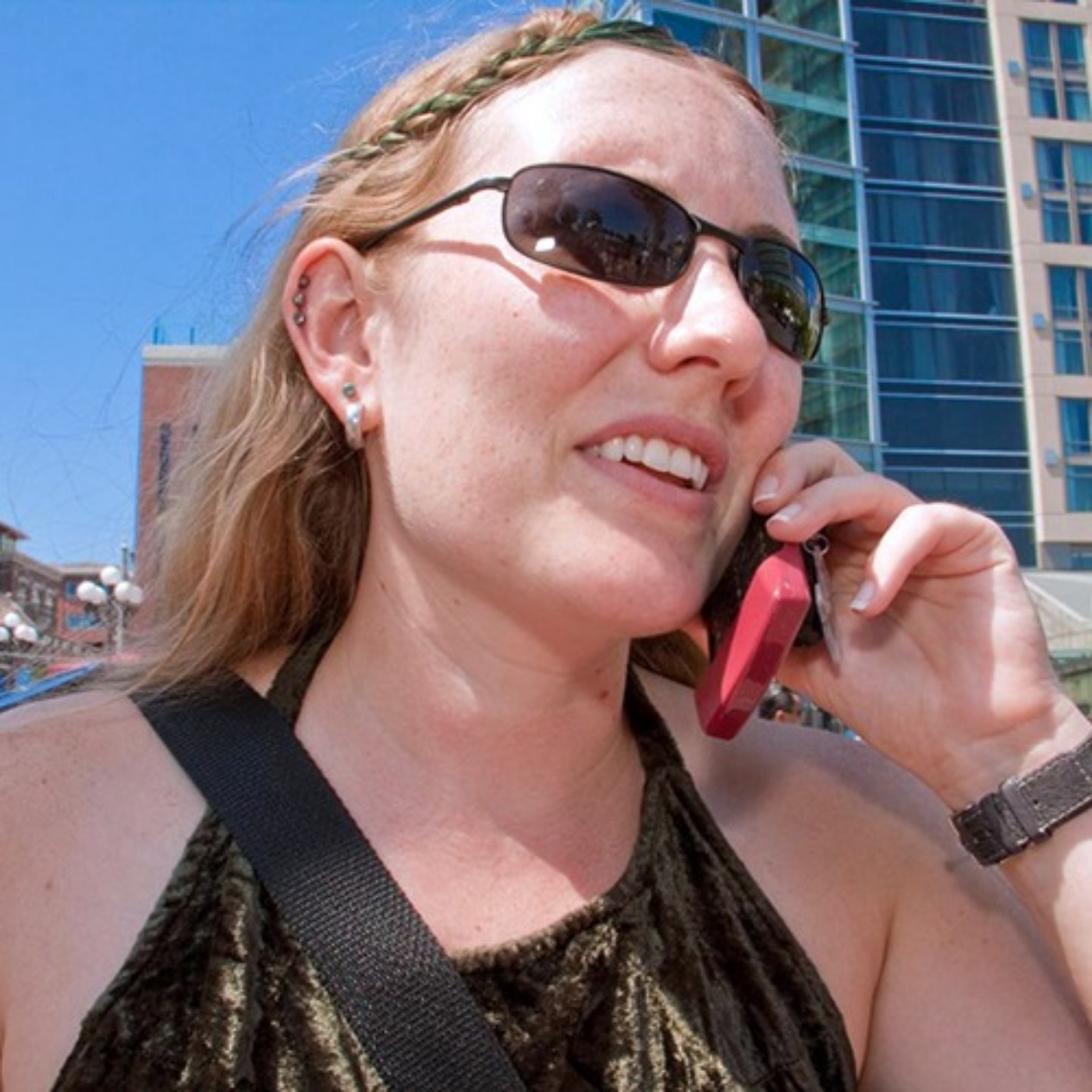
Joel Moskowitz on the health risks of cell phone radiation episode artwork

EPISODE · Jul 19, 2019 · 42 MIN

Joel Moskowitz on the health risks of cell phone radiation

from Berkeley Talks

As of 2017, there were more than 273 million smartphones in use in the country and 5 billion subscriber connections worldwide.“This is a big, big business,” says Joel Moskowitz, the director of UC Berkeley’s Center for Family and Community Health at the School of Public Health. “This is an industry that’s probably been unparalleled by any other industry in the world, in terms of reach.”Moskowitz gave a talk last spring called “Cell Phones, Cell Towers and Wireless Safety” for Be Well at Work, a University Health Services program at UC Berkeley.Moskowitz, who has conducted research on disease prevention programs and policies for more than 30 years, says that with the influx of smartphones has come hundreds of thousands of cell towers. These towers receive and transmit radio frequencies called microwaves — the same waves used in microwave ovens.In 2011, the International Agency for Research on Cancer (IARC) of the World Health Organization classified radio frequency radiation as possibly carcinogenic to humans, based on studies of cell phone radiation and brain tumor risk in humans.“Currently, we have considerably more evidence that would work a stronger classification,” says Moskowitz, an adviser to the International EMF Scientist Appeal signed by more than 240 scientists who publish peer-reviewed research on electromagnetic radiation. “Many scientists today feel that it’s time for IARC to re-review the literature given all the research that’s been published since 2011 to upgrade this to at least probably carcinogenic to humans, if not actually carcinogenic.”Read the transcript on Berkeley News. Hosted on Acast. See acast.com/privacy for more information.

As of 2017, there were more than 273 million smartphones in use in the country and 5 billion subscriber connections worldwide.“This is a big, big business,” says Joel Moskowitz, the director of UC Berkeley’s Center for Family and Community Health at the School of Public Health. “This is an industry that’s probably been unparalleled by any other industry in the world, in terms of reach.”Moskowitz gave a talk last spring called “Cell Phones, Cell Towers and Wireless Safety” for Be Well at Work, a University Health Services program at UC Berkeley.Moskowitz, who has conducted research on disease prevention programs and policies for more than 30 years, says that with the influx of smartphones has come hundreds of thousands of cell towers. These towers receive and transmit radio frequencies called microwaves — the same waves used in microwave ovens.In 2011, the International Agency for Research on Cancer (IARC) of the World Health Organization classified radio frequency radiation as possibly carcinogenic to humans, based on studies of cell phone radiation and brain tumor risk in humans.“Currently, we have considerably more evidence that would work a stronger classification,” says Moskowitz, an adviser to the International EMF Scientist Appeal signed by more than 240 scientists who publish peer-reviewed research on electromagnetic radiation. “Many scientists today feel that it’s time for IARC to re-review the literature given all the research that’s been published since 2011 to upgrade this to at least probably carcinogenic to humans, if not actually carcinogenic.”Read the transcript on Berkeley News. Hosted on Acast. See acast.com/privacy for more information.

NOW PLAYING

Joel Moskowitz on the health risks of cell phone radiation

0:00 42:04

No transcript for this episode yet

We transcribe on demand. Request one and we'll notify you when it's ready — usually under 10 minutes.

Carnivores Don't Get Sunburn - Carnivore Diet Talks Carnivores Don't Get Sunburn - Carnivore Diet Talks Welcome to “Carnivores Don’t Get Sunburn,” where we have fun and explore the carnivore diet and its transformative power. Join us as we uncover real stories from individuals who have thrived on this diet, defying convention and embracing optimal health. Plus, stay tuned for our upcoming documentary featuring diverse carnivores overcoming health challenges. Learn more at www.carnivoredietdocumentary.com.Excitingly, we’re working on an upcoming documentary where we’ll feature carnivores from various walks of life, conquering diverse health challenges. Join us on this journey and learn more at www.carnivoredietdocumentary.com.Join us in uncovering the power of the carnivore diet. Prepare to be inspired, informed, and empowered to embrace optimal health and well-being.Welcome to “Carnivores Don’t Get Sunburn: Unveiling Real Stories of the Carnivore Diet.” Stay tuned for our upcoming documentary. Discover how this lifestyle can transform lives. Learn more at www.carnivoredietdocumentary.com IT IS WHAT IT IS with SHALLZ - SHALLY ZOMORODI Shally Zomorodi What?  "It is what it is" with ShallZ – Shally ZomorodiWhen? WeeklyHow long? 35 minutesEvery week, Mother of 4, wife, morning TV news anchor and ultimate hostess, Shally Zomorodi talks about life - its up's and downs and how to stay on track in her weekly podcast, ‘It is what it is.’  Known for her high energy, infectious smile and ability to see the cup as half full Shally talks about all things in life and how to work through its challenges. From parenting, marriage, friendships, current events to how to smile when it just seems impossible ‘It is what it is’ is the perfect podcast to help inspire you to dance through the rain. Tracking Nuclear Weapons Programs Center for Strategic and International Studies The CSIS Proliferation Prevention Program talks to experts about transparency and nuclear weapons. Cover Stories with Chess Life US Chess Chess Life Editor John Hartmann talks to the authors of each month's Chess Life cover story.

Frequently Asked Questions

How long is this episode of Berkeley Talks?

This episode is 42 minutes long.

When was this Berkeley Talks episode published?

This episode was published on July 19, 2019.

What is this episode about?

As of 2017, there were more than 273 million smartphones in use in the country and 5 billion subscriber connections worldwide.“This is a big, big business,” says Joel Moskowitz, the director of UC Berkeley’s Center for Family and Community Health at...

Can I download this Berkeley Talks episode?

Yes, you can download this episode by clicking the download button on the episode player, or subscribe to the podcast in your preferred podcast app for automatic downloads.
URL copied to clipboard!