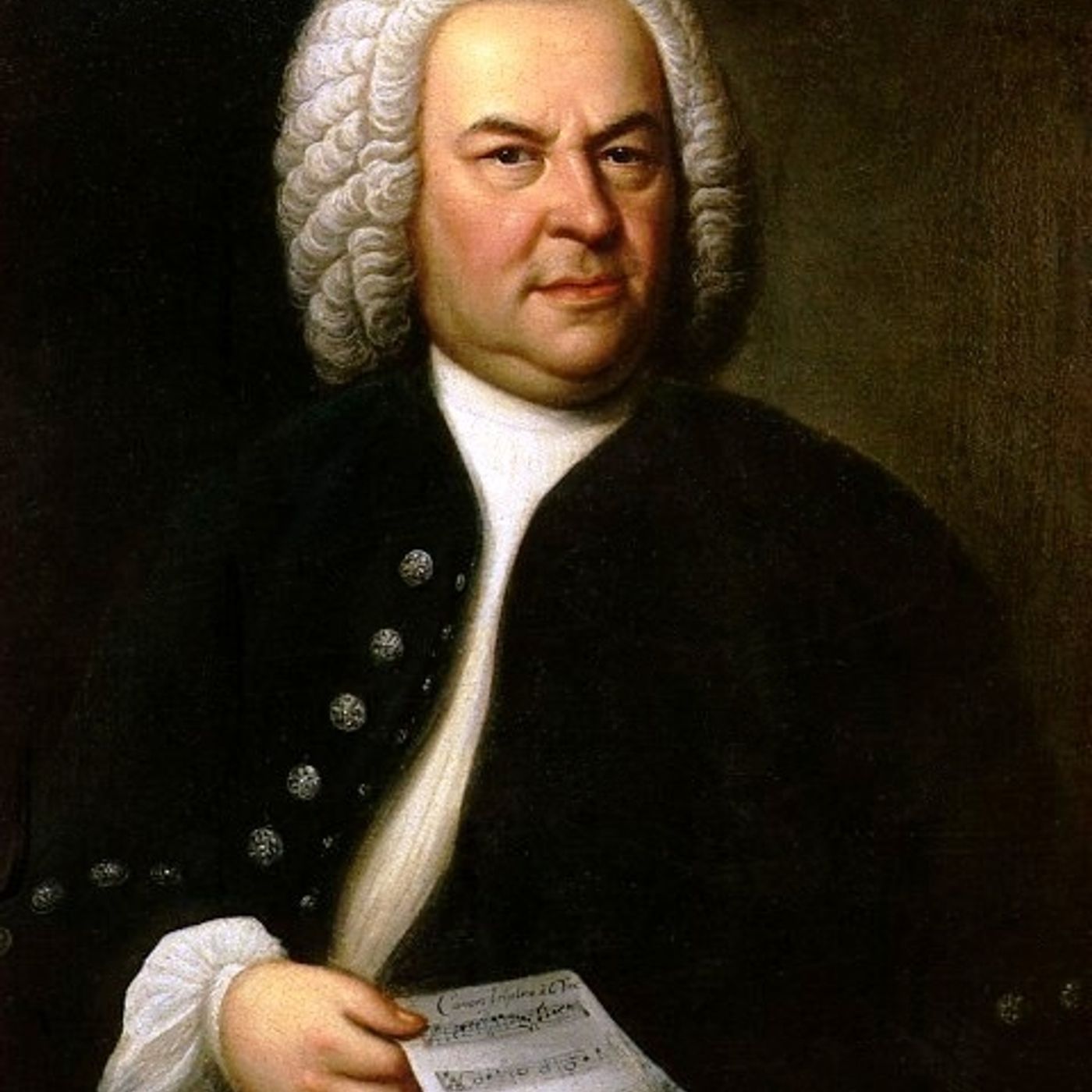
John Lewis Grant e Bach. episode artwork

EPISODE · Nov 5, 2016 · 4 MIN

John Lewis Grant e Bach.

from Johann Sebastian Bach · host Danzainsieme ACSD

John Lewis GrantJohn Grant was born in 1953, Toronto, Canada. His father and mother were accomplished amateur musicians, and all five of the Grant brood were encouraged in music and in the visual arts. John started playing the piano as soon as he could reach the keyboard and his first teacher, at age 6, was his mother. He finished is formal training at the Royal Conservatory of Music at age 16, working at that time towards his A.R.T.C. (Associate of the Conservatory). He continued less frequent and less formal lessons from his lifelong teacher, Marta Tuters, until he was in his early twenties. Since then he has played the piano almost every day of his life. He loves Mozart, Beethoven, Brahms, Chopin, Scarlatti, Rachmaninoff, and Shostakovich. But most of all he loves Bach.John's Well-tempered Clavier is based on a version that he completed in the mid 1990s and first uploaded at "MP3.COM." He uses "virtual" piano, a Bosendorfer 290, every note of which has been pre-recorded at 8 levels of intensity. He then edits each prelude and fugue using MIDI technology. Some of the preludes and fugues are very close to their "raw" state, that is, just as John played them; others are edited extensively.Modern classical recording technology makes ample use of computer splicing and editing to correct mistakes or simply to change aspects of an interpretation. There is nothing new in this. MIDI does the same thing, but it permits much more detailed editing. (Glenn Gould, had he lived longer, would have embraced the technology.) John's interpretation of Book 1 of the Well-tempered Clavier is the first Internet version of Bach's "keyboard bible" to use MIDI editing coupled with sampled piano technology. It is also probably the most listened to account of the Well-tempered on the Internet, with about 1 million downloads of individual preludes and fugues from the MP3.COM and other smaller sites, prior to appearing at Piano Society.Where MIDI technology is used extensively, as it is in many of John's interpretations, it raises questions both practical and philosophical about the aesthetic validity of the result. Is the result "music"? John's view is that in the end you have to listen to the music and decide for yourself.John has a Ph.D. in philosophy and education, and is a practising lawyer. He is also interested in issues of social justice and equality. He and his partner live in Toronto with one child and one diminutive canine companion named "Ruby."

John Lewis GrantJohn Grant was born in 1953, Toronto, Canada. His father and mother were accomplished amateur musicians, and all five of the Grant brood were encouraged in music and in the visual arts. John started playing the piano as soon as he could reach the keyboard and his first teacher, at age 6, was his mother. He finished is formal training at the Royal Conservatory of Music at age 16, working at that time towards his A.R.T.C. (Associate of the Conservatory). He continued less frequent and less formal lessons from his lifelong teacher, Marta Tuters, until he was in his early twenties. Since then he has played the piano almost every day of his life. He loves Mozart, Beethoven, Brahms, Chopin, Scarlatti, Rachmaninoff, and Shostakovich. But most of all he loves Bach.John's Well-tempered Clavier is based on a version that he completed in the mid 1990s and first uploaded at "MP3.COM." He uses "virtual" piano, a Bosendorfer 290, every note of which has been pre-recorded at 8 levels of intensity. He then edits each prelude and fugue using MIDI technology. Some of the preludes and fugues are very close to their "raw" state, that is, just as John played them; others are edited extensively.Modern classical recording technology makes ample use of computer splicing and editing to correct mistakes or simply to change aspects of an interpretation. There is nothing new in this. MIDI does the same thing, but it permits much more detailed editing. (Glenn Gould, had he lived longer, would have embraced the technology.) John's interpretation of Book 1 of the Well-tempered Clavier is the first Internet version of Bach's "keyboard bible" to use MIDI editing coupled with sampled piano technology. It is also probably the most listened to account of the Well-tempered on the Internet, with about 1 million downloads of individual preludes and fugues from the MP3.COM and other smaller sites, prior to appearing at Piano Society.Where MIDI technology is used extensively, as it is in many of John's interpretations, it raises questions both practical and philosophical about the aesthetic validity of the result. Is the result "music"? John's view is that in the end you have to listen to the music and decide for yourself.John has a Ph.D. in philosophy and education, and is a practising lawyer. He is also interested in issues of social justice and equality. He and his partner live in Toronto with one child and one diminutive canine companion named "Ruby."

NOW PLAYING

John Lewis Grant e Bach.

0:00 4:15

No transcript for this episode yet

We transcribe on demand. Request one and we'll notify you when it's ready — usually under 10 minutes.

Go ’Head Ma Kiana Sebastian & Laci White On this podcast we dive into all things womanhood, motherhood, business and spirituality. Our goal is to empower women everywhere with words of wisdom, advice and raw authenticity.Connect with Kiana and Laci:Kiana’s Instagram: https://www.instagram.com/kianarealestateexpertLaci’s Instagram: https://www.instagram.com/thabilliondollarbrandcoach Der Zukunfts Podcast Sebastian Steinscherer Der Zukunfts Podcast – Dein Weg zur besten Version Deiner selbst! Dieser Zukunft Podcast unterstützt Dich dabei, bessere Entscheidungen zu treffen, ein glücklicheres Leben zu führen und die beste Version Deiner selbst zu werden. Zweimal pro Woche teile ich mit Dir nicht nur meine Strategien und Erfahrungen, sondern auch die Fehler, die mir auf meinem Weg passiert sind – damit Du schneller vorankommst. Mach Deine Zukunft aktiv und wachse über Dich hinaus!  The AEC Project Management Podcast Anthony Fasano, P.E., AEC PM, F. ASCE & Fiona Johann, PMP, AEC PM The AEC Engineering Project Management Podcast (AECPM) provides engineering career advice and success stories for project managers in the architecture, engineering, and construction (AEC) industry. Civil engineer and project manager Anthony Fasano, P.E., AEC PM hosts the podcast, which highlights engineering project managers and professionals. The New Quantum Era - innovation in quantum computing, science and technology Sebastian Hassinger Your host, Sebastian Hassinger, interviews brilliant research scientists, software developers, engineers and others actively exploring the possibilities of our new quantum era. We will cover topics in quantum computing, networking and sensing, focusing on hardware, algorithms and general theory. The show aims for accessibility - Sebastian is not a physicist - and we'll try to provide context for the terminology and glimpses at the fascinating history of this new field as it evolves in real time.

Frequently Asked Questions

How long is this episode of Johann Sebastian Bach?

This episode is 4 minutes long.

When was this Johann Sebastian Bach episode published?

This episode was published on November 5, 2016.

What is this episode about?

John Lewis GrantJohn Grant was born in 1953, Toronto, Canada. His father and mother were accomplished amateur musicians, and all five of the Grant brood were encouraged in music and in the visual arts. John started playing the piano as soon as he...

Can I download this Johann Sebastian Bach episode?

Yes, you can download this episode by clicking the download button on the episode player, or subscribe to the podcast in your preferred podcast app for automatic downloads.
URL copied to clipboard!