
EPISODE · Feb 16, 2026 · 2 MIN
Just for Me, Just for Us: The Complicated Legacy of the Box Relaxer
from Education is Elevation · host The Conscious Lee
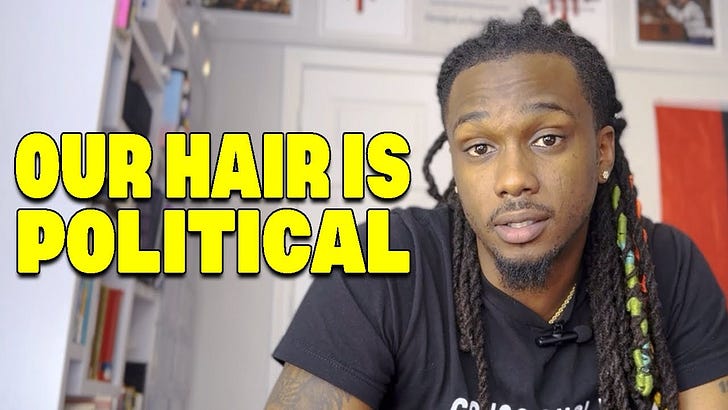
You know it when you hear it. That classic jingle, the one promising “style, body, and shine.” Hair “so soft, silky, and free”—that look that’s “totally all mine.” Growing up, that commercial wasn’t just background noise. It was a whole era, a moment that shaped how we saw ourselves, and how the world wanted us to see ourselves. It was “Just For Me”—but who was it really for?Let me tell y’all, those box relaxers weren’t just marketed to women. They found their way onto the heads of boys who wanted hang time, too. I’m speaking from experience. When I couldn’t get the braids to cooperate, I rocked the Al Sharpton. The ad wasn’t just selling a product, it was selling belonging. And looking back, it was selling a version of us that conformed to someone else’s standard.Does that sound familiar to y’all?It should because hair is never just hair. Hair is political and it’s a lesson, a license, sometimes a liability. Those box girls on the packaging? Twitter exposed a lot of them as natural—never even touched a relaxer. They had the “look” already, and we got bamboozled. It wasn’t about hair, it was about aspirations, about creditability, about appearing “professional.” Chasing European beauty standards, just to be seen as legitimate.Marketing wasn’t just about what you buy—it was about what you become. Even now, research tells us what our community already felt in our bones. In 2021, they found Black women using these lye-containing products as little as seven times a year—over 15 years—have a 30% increased risk of developing breast cancer. Thirty percent. That’s not just expensive, that’s devastating.Let’s unpack why the box relaxer became a staple. In the 1940s, perms were sophistication, a ticket to belong. Entertainers cosigned, and the masses followed. The 1960s came, afros started popping, roots reclaimed, pride restored. The industry didn’t like that, so they pivoted—relaxers became blowout kits for looser, “acceptable” curls. And here we are.Eight of my sisters wanted to be on those boxes. Shout out to Latavia former member of Destiny’s Child—get your coin, pay your bills, no shade. I recognize the era for what it was: a symptom of a bigger system, a cycle of conformity.Our hair, our bodies, our choices—none of them operate in isolation. The beauty standards we’re pushed toward aren’t just about looking good. They’re about belonging, they’re about safety, they’re about access. But they cost us more than dollars—they cost us our health, our self-image, our autonomy.Key Takeaways* The Marketing Mirage: Many of the models in relaxer ads were actually natural. This created an unattainable standard that drove sales but also drove insecurity.* Health Over Hair: The 2021 study linking long-term lye-based relaxer use to a 30% increased risk of breast cancer is a stark reminder that beauty standards can have deadly consequences.* History Repeats: The relaxer industry boomed in the 40s, took a hit during the natural 60s, and rebranded itself to survive. The cycle of pushing chemical straightening is deeply tied to economic and social pressures.* It’s Okay to Look Back: Reflecting on our personal hair journeys isn’t about shame. It’s about understanding how we got here and making informed choices for the future.Research Over Mesearch is a reader-supported publication. To receive new posts and support my work, consider becoming a free or paid subscriber.Related Readings* “Hair Story: Untangling the Roots of Black Hair in America” by Ayana Byrd and Lori Tharps – A foundational text on the political and cultural history of Black hair.* “The Crown Act: Creating a Respectful and Open World for Natural Hair” – Learn more about the movement to end hair discrimination in schools and workplaces. (crownact.com)* “Black Women’s Hair Product Use and Breast Cancer Risk” (2021) – A deep dive into the Sister Study findings published in the International Journal of Cancer.* “Good Hair” (2009) – directed by Jeff Stilson, produced by and starring Chris Rock – A documentary that explores the Black hair industry, from relaxers to weaves, with a mix of humor and hard truths.* “Don’t Touch My Hair” by Emma Dabiri – A powerful exploration of the history, politics, and social significance of Black hair, from pre-colonial Africa to the present day. This is a public episode. If you'd like to discuss this with other subscribers or get access to bonus episodes, visit theconsciouslee.substack.com/subscribe
Embed this episode
NOW PLAYING
Just for Me, Just for Us: The Complicated Legacy of the Box Relaxer
No transcript for this episode yet
Similar Episodes
No similar episodes found.
Similar Podcasts
No similar podcasts found.