Justice Sensitivity in ADHD: The Hidden Burden No One Talks About
from Education is Elevation Hosted by The Conscious Lee
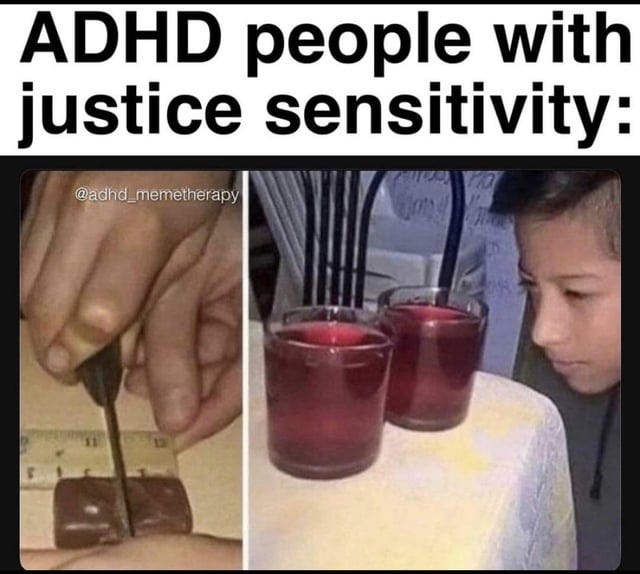
The Weight of Unfairness: Understanding ADHD Justice Sensitivity Through a Critical Lens ADHD is correlated with justice sensitivity. We have a hard time getting over something being unjust. We feel things strongly. We have a hard time with emotional regulation. We also absorb information like a fire hose, news, data, you name it. Studies have found that ADHD individuals, especially those who have an intuitive type, are much more likely to be justice sensitive than those without ADHD. In fact, researchers found that people who have ADHD feel such a strong need to restore justice that they will take action to do so even if they hurt themselves in the long run. There may be several possible reasons for this. As somebody who was diagnosed with ADHD and now I have kids that also have ADHD, I can definitely tell y’all there is something innate about this justice sensitivity because if we feel like you playing with us or playing somebody around us or insulting the antennas of somebody where it’s done in a way it’s unjust, finally, there is a personal experience. Growing up in a world not made for ADHD brains creates many repeated injustices that create a particular sensitivity. Every time you’re misunderstood, it kicks the area of injustice which makes it much more sensitive to any of the injustice that you encounter because you always already do soup because. Simply put, I’m exploring the intersection of ADHD justice sensitivity with historical context, educational implications, and material impacts, arguing that this trait is not merely a psychological quirk but a deeply rooted response to systemic oppression that deserves serious scholarly attention and practical accommodation. Historical Context: The Long Shadow of Injustice To understand the profound justice sensitivity experienced by those with ADHD, we must situate it within a broader historical framework of systemic injustice and the struggle for recognition. The ADHD brain’s heightened response to unfairness does not emerge in a vacuum but interacts with and is shaped by historical patterns of marginalization, exclusion, and resistance. Historically, the concept of neurodivergence has been pathologized and weaponized against marginalized communities, particularly Black and brown people. The framing of certain behaviors as deviant, disruptive, or deficient has served as a tool of social control, justifying exclusionary practices in education, employment, and community life. This is not a new phenomenon. The history of race, disability, and justice in the United States reveals that what is deemed “normal” or “acceptable” behavior has consistently been defined along racial and class lines. Consider the ways in which Black children have been disproportionately labeled as having behavioral disorders while their white counterparts receive ADHD diagnoses and accommodations. This disparity reflects a deeper historical pattern where the behaviors of Black children are read as threatening or defiant rather than as symptoms of a neurodevelopmental condition requiring support. The justice sensitivity of the ADHD brain thus becomes not just a reaction to immediate unfairness but a recognition of a historical inheritance of being misunderstood, misdiagnosed, and marginalized. The repeated injustices that those with ADHD face growing up in a world not made for their brains are compounded for those who also navigate racism, classism, and other forms of oppression. Every time you are misunderstood, whether by a teacher who sees your forgetfulness as laziness or a boss who reads your impulsivity as incompetence, you are encountering a system that was not designed for you. This is not simply a personal frustration but a reflection of historical patterns of exclusion and the ongoing struggle for dignity and recognition. Classrooms as Battlegrounds For those with ADHD, the classroom is often the first site of repeated injustices, a place where the mismatch between neurodivergent brains and neurotypical expectations becomes painfully clear. Research has consistently shown that students with ADHD experience their classrooms as less just than their peers do. This perception is not merely subjective but reflects real differences in how they are treated, disciplined, and supported. Students with ADHD are more likely to be disciplined, suspended, and expelled than their neurotypical peers. They are less likely to receive appropriate accommodations, even when legally mandated. Their behaviors are more likely to be interpreted as willful defiance rather than as manifestations of a disability. This creates a cycle of injustice that begins early and compounds over time. When a student is consistently misunderstood, punished for behaviors they cannot control, and denied the support they need, they develop a heightened sensitivity to injustice that is entirely justified by their lived experience. The educational system’s failure to accommodate ADHD students is not merely an oversight but reflects a deeper ideological commitment to standardization and conformity. Schools are designed for the mythical average student, the one who can sit still, pay attention, and follow rules without question. Those who cannot meet these expectations are labeled as problems to be fixed rather than as individuals with different needs and strengths. For Black students with ADHD, this injustice is compounded by racism. Research documents how Black students are less likely to be accurately identified with ADHD and more likely to be disciplined for the same behaviors that would earn their white peers a diagnosis and support. This disparity reflects the intersection of ableism and racism, where Black neurodivergent students are doubly marginalized and doubly misunderstood. The implications for education are profound. If we are serious about educational equity, we must confront the ways in which our educational systems pathologize difference and punish those who do not conform. This requires not just better training for teachers or more inclusive policies but a fundamental rethinking of what we mean by education, success, and belonging. We must recognize that the justice sensitivity of ADHD students is not a pathology to be treated but a reasonable response to an unjust system. The Intersectional Material Weight of Misunderstanding Justice sensitivity is not an abstract concept but has concrete, material consequences for those with ADHD, particularly those who navigate multiple marginalized identities. The emotional and cognitive energy expended on processing injustice takes a real toll, affecting mental health, physical well-being, and material outcomes. Studies have found that the link between ADHD symptoms and mental health challenges is partially mediated by justice sensitivity and rejection sensitivity. In other words, it is not just the symptoms of ADHD themselves that cause distress but the repeated experiences of being misunderstood, rejected, and treated unfairly. This can lead to anxiety, depression, and a sense of hopelessness that compounds the challenges of living with ADHD. The material impacts extend beyond mental health. People with ADHD are more likely to experience financial instability, unemployment, and housing insecurity. This is not because of any inherent deficiency but because they are navigating systems that were not designed for them. The emotional labor of constantly advocating for oneself, explaining one’s needs, and fighting against misunderstanding is exhausting and takes time and energy that could be spent on more productive pursuits. For Black people with ADHD, these material impacts are even more severe. They are navigating not just ableism but racism, facing discrimination in employment, housing, and healthcare that is compounded by their neurodivergence. They are more likely to be criminalized for their behaviors and to encounter the criminal justice system, where their ADHD traits are read as defiance or threat rather than as symptoms … This is a public episode. If you'd like to discuss this with other subscribers or get access to bonus episodes, visit theconsciouslee.substack.com/subscribe
Embed this episode
No transcript yet.