
EPISODE · Jun 12, 2026 · 19 MIN
Ketamine for Prolonged Grief
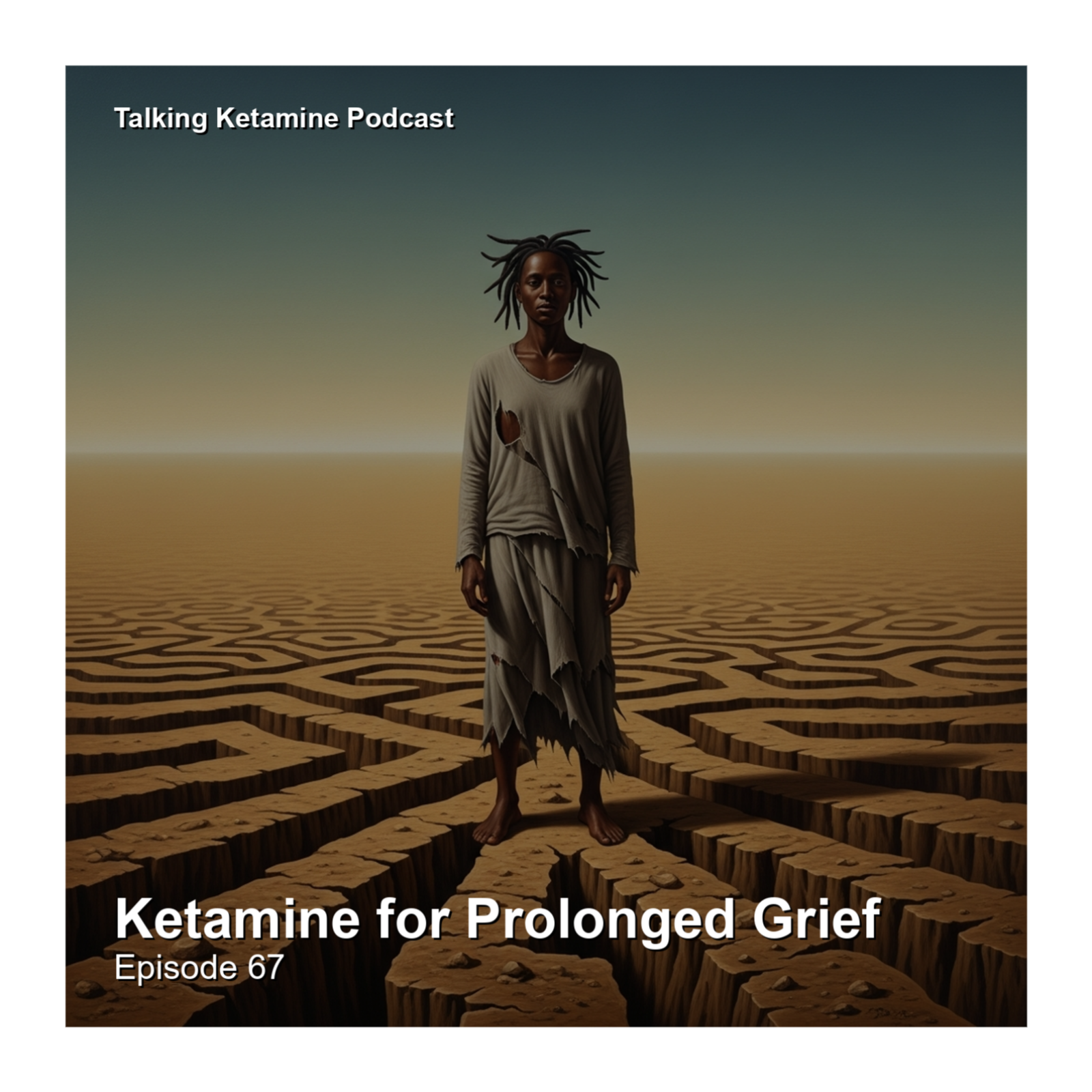
For the estimated seven to ten percent of bereaved adults struggling with Prolonged Grief Disorder (PGD), mourning isn’t a slow march forward; it is a state of total paralysis. While typical grief allows the internal clock to keep ticking as the world spins, PGD jams the gears of recovery, trapping individuals in a closed loop of loss-oriented rumination and profound identity disruption. Standard psychiatric treatments like SSRIs frequently fail because PGD is not merely depression, and specialized, multi-session psychotherapies remain difficult for most people to access.This episode dives into a retrospective analysis of 503 adults who underwent Mindbloom's guided, at-home telehealth ketamine therapy. By acting as an NMDA receptor antagonist, ketamine decreases functional connectivity within the hyperactive default mode network (DMN)—the brain's self-referencing storytelling engine that holds onto stubborn expectations, or "high-level neural priors." Using the analogy of deeply rutted dirt roads, the constant agonizing loop of grief digs tracks so deep that the mind's tires cannot steer out of them. Ketamine essentially smooths out the dirt, filling these ruts and providing the cognitive flexibility needed for the tires to find traction. This biological window aligns with the dual process model of bereavement, allowing patients to shift from paralyzing loss to active life restoration, and ultimately reprogram their internal GPS.The clinical findings are striking: among the 121 participants who completed the six-session protocol, grief scores declined consistently, leading to a 31% average reduction in symptoms and a 76% clinical response rate. Crucially, the single largest improvement—standing at nearly 36%—occurred not in general sadness, but in identity and role confusion. While the study faces limitations like high attrition (completer bias) and the lack of a placebo control, worst-case sensitivity analysis still confirms a robust diagnostic remission rate of 18-19%. These results suggest that healing from profound loss is not a passive waiting game, but an active process of rebuilding who we are.Reference:Carter, D., Reardon, I., Swain, J., & Vando, L. (2026). Prolonged grief symptom outcomes during at-home ketamine-assisted therapy: A real-world retrospective analysis of 503 adults. Research Square. https://doi.org/10.21203/rs.3.rs-9839240/v1
Embed this episode
Ready to play
Ketamine for Prolonged Grief
No transcript for this episode yet
Similar Episodes
No similar episodes found.
Similar Podcasts
No similar podcasts found.