Key Practices for Nitrates Derogation Farmers episode artwork

EPISODE · Aug 31, 2020 · 23 MIN

Key Practices for Nitrates Derogation Farmers

from The Dairy Edge · host Teagasc

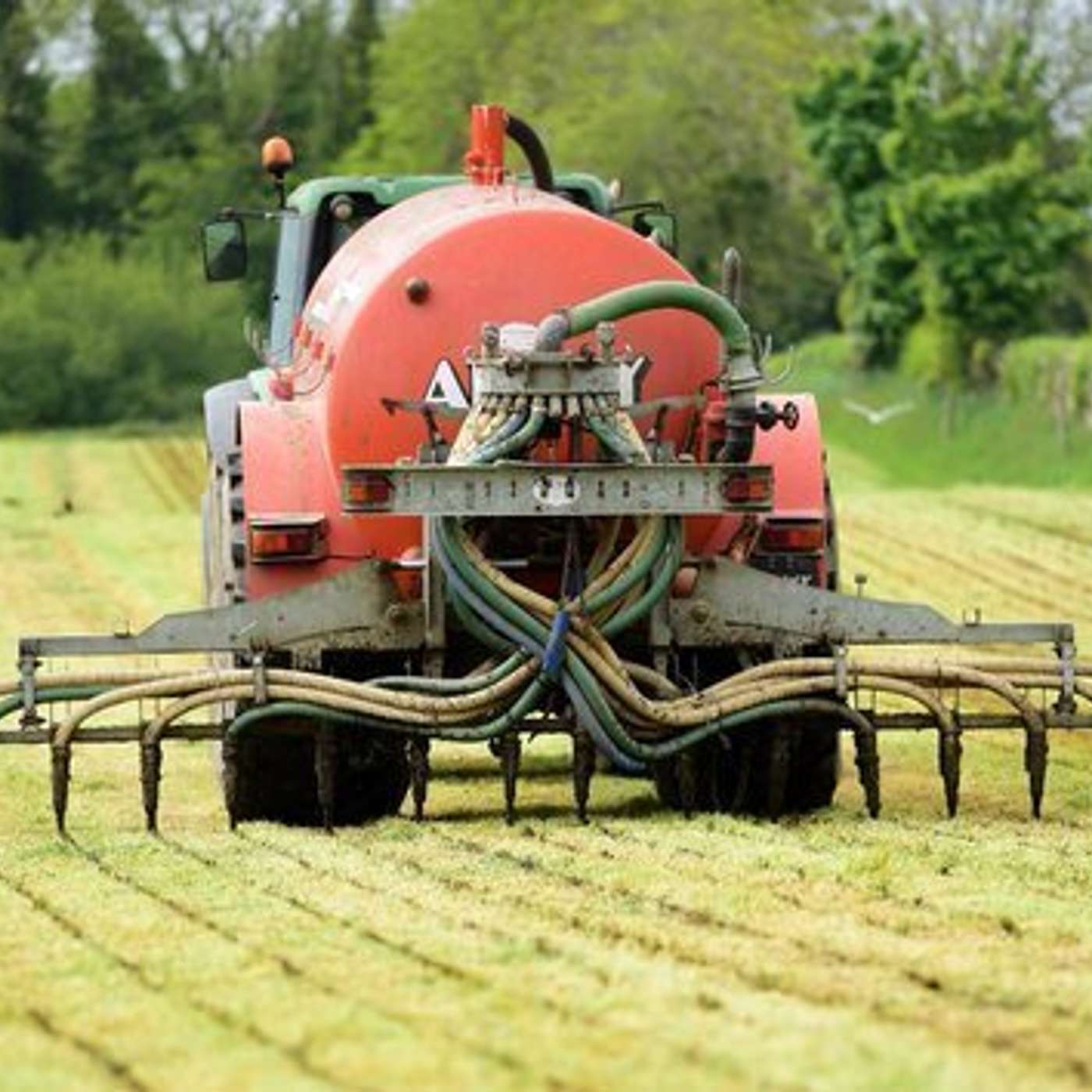
Dairy advisor Mark O’Sullivan joins Emma-Louise Coffey on this week’s Dairy Edge to discuss the key mandatory practices for Nitrates Derogation farms. Mark explains that these practices allow farmers to farm more intensively while protecting the environment. He documents the key practices including a mandatory liming programme, use of low emission slurry spreading, inclusion of clover seed when reseeding, lower levels of crude protein and grassland management. For paddocks with a low soil pH, Mark recommends farmers front loading ground limestone at a rate of 2 tonne/ac at a time. Additionally, Mark recommends an application of 2 tonne/ac of lime for maintenance every 4-5 years. All slurry must be spread using low emission spreading equipment which reduces the emissions but also offers farmers flexibility in spreading in higher covers in the spring and increased nutrient value (N-P-K) from slurry. Mark explains that there are there are grants of 40% (60% for young trained farmers) to purchase new slurry tankers or retrofit old splash plate tankers. For dairy cow ration, farmers must feed a max of 15% crude protein rate from April to September. Mark explains that grazed grass contains 16-24% CP so ration containing 13-14% CP is sufficient during the main grazing season. For more information: https://www.teagasc.ie/publications/2020/derogation-review-changes---improving-environmental-outcomes.php For more episodes from the Dairy Edge podcast visit the show page at: https://www.teagasc.ie/animals/dairy/the-dairy-edge-podcast/

Dairy advisor Mark O’Sullivan joins Emma-Louise Coffey on this week’s Dairy Edge to discuss the key mandatory practices for Nitrates Derogation farms. Mark explains that these practices allow farmers to farm more intensively while protecting the environment. He documents the key practices including a mandatory liming programme, use of low emission slurry spreading, inclusion of clover seed when reseeding, lower levels of crude protein and grassland management. For paddocks with a low soil pH, Mark recommends farmers front loading ground limestone at a rate of 2 tonne/ac at a time. Additionally, Mark recommends an application of 2 tonne/ac of lime for maintenance every 4-5 years. All slurry must be spread using low emission spreading equipment which reduces the emissions but also offers farmers flexibility in spreading in higher covers in the spring and increased nutrient value (N-P-K) from slurry. Mark explains that there are there are grants of 40% (60% for young trained farmers) to purchase new slurry tankers or retrofit old splash plate tankers. For dairy cow ration, farmers must feed a max of 15% crude protein rate from April to September. Mark explains that grazed grass contains 16-24% CP so ration containing 13-14% CP is sufficient during the main grazing season. For more information: https://www.teagasc.ie/publications/2020/derogation-review-changes---improving-environmental-outcomes.php For more episodes from the Dairy Edge podcast visit the show page at: https://www.teagasc.ie/animals/dairy/the-dairy-edge-podcast/

NOW PLAYING

Key Practices for Nitrates Derogation Farmers

0:00 23:45

No transcript for this episode yet

We transcribe on demand. Request one and we'll notify you when it's ready — usually under 10 minutes.

Frequently Asked Questions

How long is this episode of The Dairy Edge?

This episode is 23 minutes long.

When was this The Dairy Edge episode published?

This episode was published on August 31, 2020.

What is this episode about?

Dairy advisor Mark O’Sullivan joins Emma-Louise Coffey on this week’s Dairy Edge to discuss the key mandatory practices for Nitrates Derogation farms. Mark explains that these practices allow farmers to farm more intensively while protecting the...

Can I download this The Dairy Edge episode?

Yes, you can download this episode by clicking the download button on the episode player, or subscribe to the podcast in your preferred podcast app for automatic downloads.
URL copied to clipboard!