
EPISODE · Mar 26, 2026 · 47 MIN
Knowledge and Priority
from What if This Time is Different · host What if this time is different...
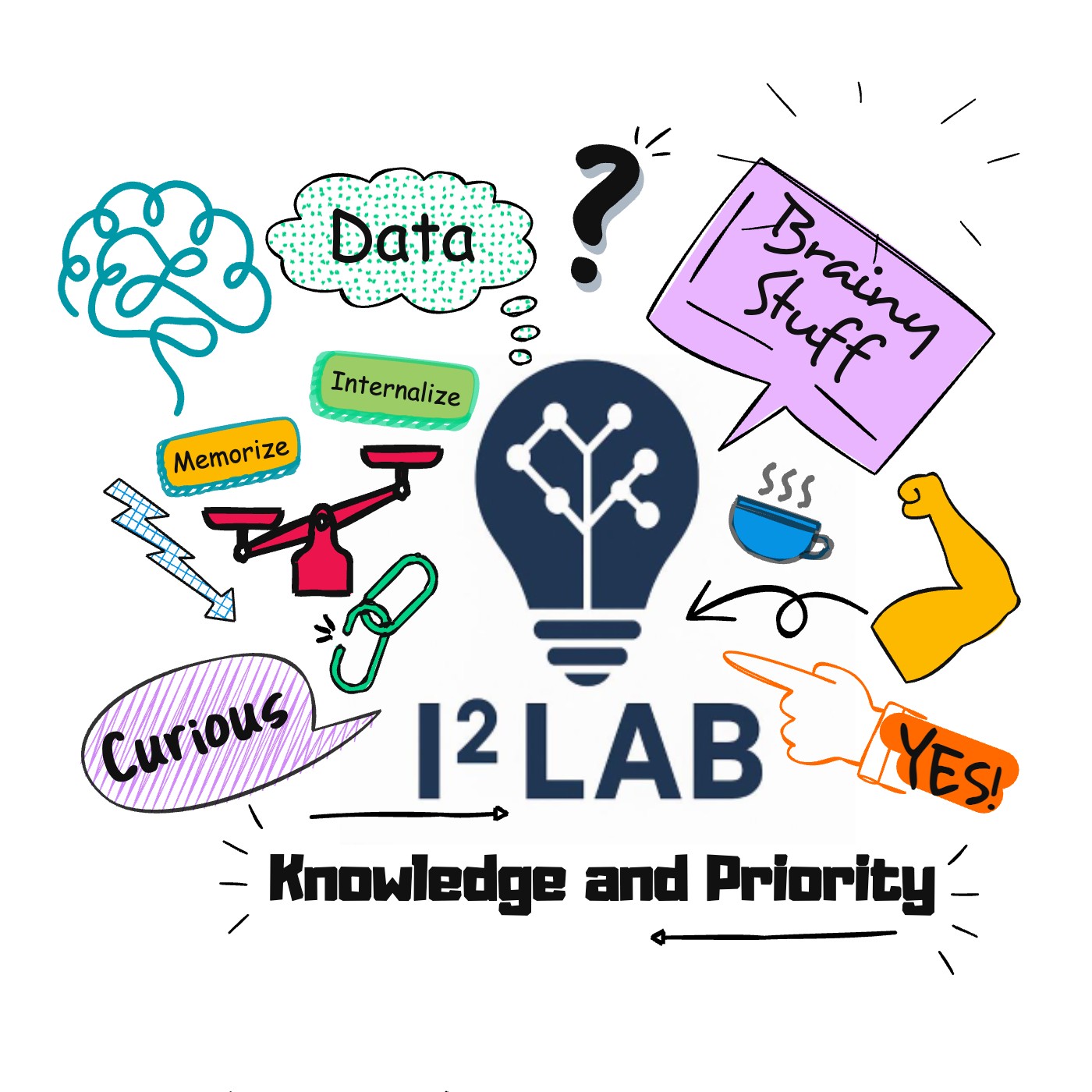
Most people believe long‑term change comes down to discipline, motivation, or “knowing what to do.” But real change happens much deeper than that. In this conversation, we unpack a deceptively simple idea shared by a physician: lasting results hinge on knowledge and priority. Then we take it further — exploring why knowledge doesn’t work unless it’s internalized, why humans are biologically wired to learn through community, and why frustration is actually a sign that learning is working. From sleep and weight loss to work, identity, and values, this episode reframes behavior change as a process of meaning‑making — not rule‑following. Because when knowledge becomes personal, priority stops being forced… and starts being natural. Key Nerdy Facts & Concepts 🧠 1. Knowledge ≠ Learning Core distinction: • Memorization = being able to repeat facts • Internalization = meaning is rooted in identity, values, and behavior You can “know” what to do and still not do it. Learning only sticks when it connects to: • Identity (“I’m the kind of person who…”) • Values (freedom, presence, competence) • Personal meaning (“This is why it matters to me”) 🧠 2. Two Real Barriers to Long‑Term Change Knowledge + Priority • Knowledge must be internalized • Priority emerges naturally once knowledge becomes a “why” They are not separate levers — they interlock. 🧠 3. Social Learning Is a Biological Requirement Humans are wired to learn from other humans, not just information. Key points: • Brains are social organs • Learning improves with conversation, reflection, and shared meaning • Isolation (even with “good info”) reduces cognitive resilience This reframes: • “Community” isn’t accountability theater • It’s a learning amplifier 🧠 4. Cognitive Decline Signal (Generational Insight) A cited longitudinal trend: • Cognitive ability increased generation over generation since the 1800s • Gen Z is the first generation to show a measurable decline • Approximate magnitude mentioned: ~2–3% Hypothesized driver: • Increased technology replacing peer‑to‑peer learning • Reduced interpersonal interaction in learning environments Key insight: Technology didn’t reduce intelligence — it reduced interaction. 🧠 5. Frustration Is a Sign of Learning Learning that reaches the “bones” should: • Feel uncomfortable • Stretch identity • Create friction This is eustress (positive stress), not failure. If learning feels easy: • You’re probably memorizing • Not restructuring mental models 🧠 6. “Fake It Till You Make It” Has a Shelf Life Useful as: • A bridge into identity change Dangerous when: • It never transitions into belief • Behavior stays disconnected from meaning Real internalization: • Holding two opposing ideas simultaneously • Letting tension exist without shame • Revisiting the decision through values, not rules 🧠 7. Sleep as a Case Study (Foundational Behavior) Sleep illustrates the framework perfectly: Surface knowledge: • “Sleep helps weight loss” Internalized meaning: • “Sleep lets me be sharp, present, free, and fully myself” Once internalized: • Decisions require less willpower • Tradeoffs feel intentional, not depriving
Embed this episode
What this episode covers
You don’t need more information. You need more integration. This conversation dives into why knowing better doesn’t lead to doing better—and why real change happens when knowledge becomes personal. We talk learning vs memorizing, why “fake it till you make it” has a shelf life, and why priority isn’t discipline—it’s meaning. If change has ever felt harder than it should… this episode explains why. (Podcasts are under Classroom --> then Podcasts) 🧠⚡💪🔍💡Ready? — lab coat on. 🧠🧪
NOW PLAYING
Knowledge and Priority
No transcript for this episode yet
Similar Episodes
No similar episodes found.
Similar Podcasts
No similar podcasts found.