Korea-Japan Shuttle diplomacy bears fruit in energy security episode artwork

EPISODE · May 19, 2026 · 3 MIN

Korea-Japan Shuttle diplomacy bears fruit in energy security

from Korea JoongAng Daily - Daily News from Korea

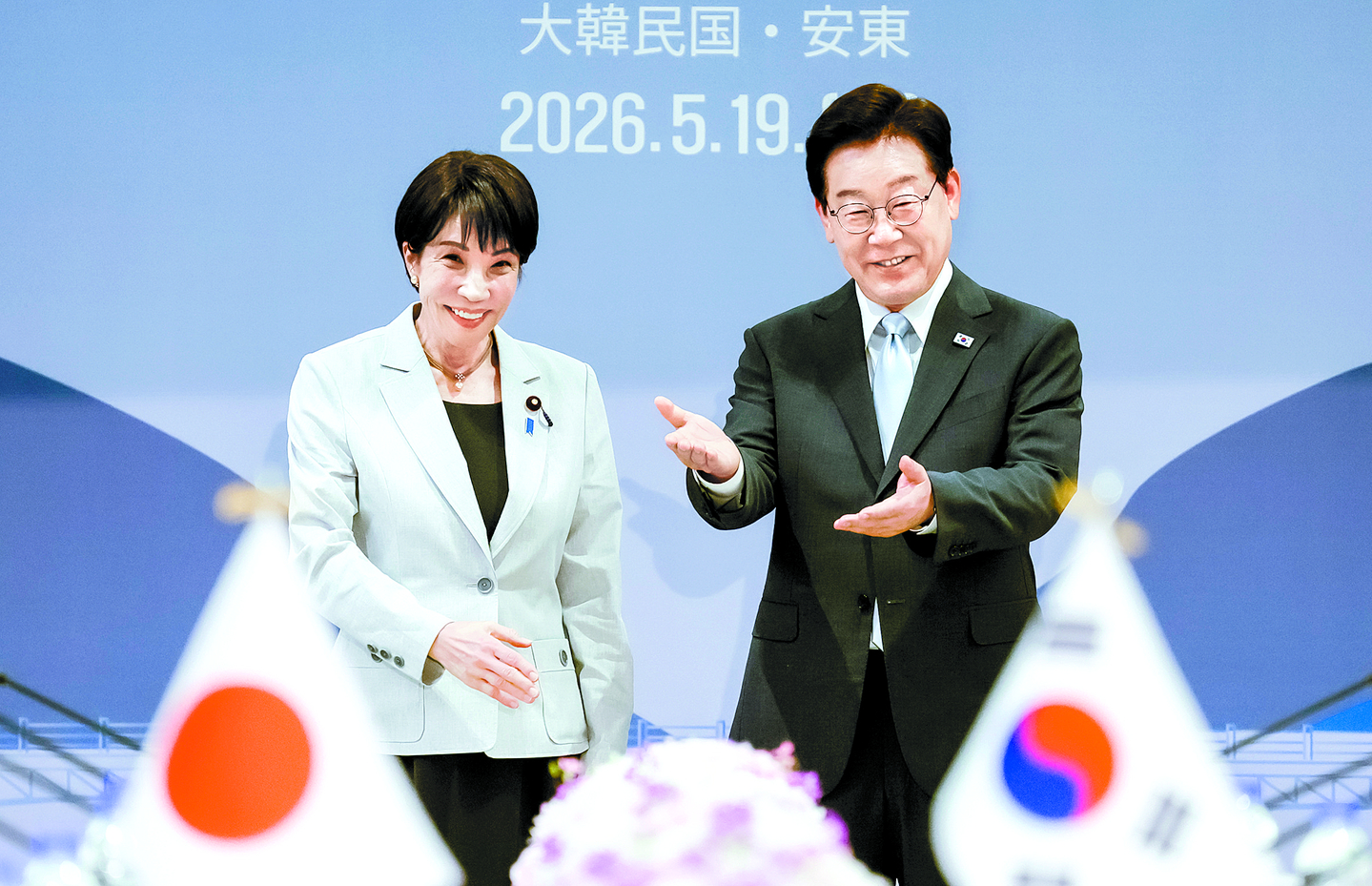
President Lee Jae Myung and Japanese Prime Minister Sanae Takaichi held their third summit meeting on Tuesday in Andong, North Gyeongsang. It came just four months after their previous meeting in Nara Prefecture in January and about a half year since their encounter during last year's Asia-Pacific Economic Cooperation summit, reflecting the rapid normalization of shuttle diplomacy between the two countries. Lee noted that regular summits held in each leader's hometown were rare in global diplomacy, while Takaichi joked that the absence of a time difference should allow them to speak frequently by phone. Their close diplomatic engagement has produced tangible results beyond symbolism. The two sides agreed to strengthen cooperation on liquefied natural gas and crude oil supply chains as instability in the Middle East raises concerns over energy security. South Korea and Japan also decided to develop a framework allowing mutual sharing of crude oil and petroleum products during emergencies and discussed creating a joint energy stockpiling system in Southeast Asia. They further pledged to cooperate in ensuring safe and free navigation through the Strait of Hormuz. The summit also produced progress on a longstanding humanitarian issue. The two countries agreed to begin DNA analysis of remains recovered from the Josei coal mine site, marking what both governments described as an important first step. Only a few years ago, South Korea-Japan relations had fallen into severe confrontation. Emotional disputes symbolized by the "No Japan" boycott campaign and nationalist rhetoric drove bilateral ties to what many called their lowest point since diplomatic normalization in 1965. Yet repeated meetings and direct communication between leaders have restored frozen diplomatic channels and significantly improved relations. The shift comes at a time of intensifying geopolitical uncertainty. Russian President Vladimir Putin's state visit to China and the subsequent China-Russia summit have heightened concerns over growing strategic coordination among North Korea, China and Russia. At the same time, anxiety persists over renewed isolationist tendencies under U.S. President Donald Trump's second administration. Against that backdrop, closer South Korea-Japan cooperation through regular shuttle diplomacy has increasingly become a matter of strategic necessity rather than diplomatic choice. For such cooperation to remain sustainable, however, it must not become hostage to domestic political interests. Both countries should avoid repeating past practices of exploiting diplomatic disputes for political mobilization at home. Agreements reached between states should be maintained consistently regardless of changes in government. It was encouraging that the two leaders also discussed cooperation on personal information protection and responses to online scam crimes increasingly affecting citizens in both countries. The real purpose of shuttle diplomacy ultimately lies in producing practical cooperation that ordinary people can directly feel in their daily lives. Only then can the foundation of South Korea-Japan relations become truly durable. This article was originally written in Korean and translated by a bilingual reporter with the help of generative AI tools. It was then edited by a native English-speaking editor. All AI-assisted translations are reviewed and refined by our newsroom.

President Lee Jae Myung and Japanese Prime Minister Sanae Takaichi held their third summit meeting on Tuesday in Andong, North Gyeongsang. It came just four months after their previous meeting in Nara Prefecture in January and about a half year since their encounter during last year's Asia-Pacific Economic Cooperation summit, reflecting the rapid normalization of shuttle diplomacy between the two countries. Lee noted that regular summits held in each leader's hometown were rare in global diplomacy, while Takaichi joked that the absence of a time difference should allow them to speak frequently by phone. Their close diplomatic engagement has produced tangible results beyond symbolism. The two sides agreed to strengthen cooperation on liquefied natural gas and crude oil supply chains as instability in the Middle East raises concerns over energy security. South Korea and Japan also decided to develop a framework allowing mutual sharing of crude oil and petroleum products during emergencies and discussed creating a joint energy stockpiling system in Southeast Asia. They further pledged to cooperate in ensuring safe and free navigation through the Strait of Hormuz. The summit also produced progress on a longstanding humanitarian issue. The two countries agreed to begin DNA analysis of remains recovered from the Josei coal mine site, marking what both governments described as an important first step. Only a few years ago, South Korea-Japan relations had fallen into severe confrontation. Emotional disputes symbolized by the "No Japan" boycott campaign and nationalist rhetoric drove bilateral ties to what many called their lowest point since diplomatic normalization in 1965. Yet repeated meetings and direct communication between leaders have restored frozen diplomatic channels and significantly improved relations. The shift comes at a time of intensifying geopolitical uncertainty. Russian President Vladimir Putin's state visit to China and the subsequent China-Russia summit have heightened concerns over growing strategic coordination among North Korea, China and Russia. At the same time, anxiety persists over renewed isolationist tendencies under U.S. President Donald Trump's second administration. Against that backdrop, closer South Korea-Japan cooperation through regular shuttle diplomacy has increasingly become a matter of strategic necessity rather than diplomatic choice. For such cooperation to remain sustainable, however, it must not become hostage to domestic political interests. Both countries should avoid repeating past practices of exploiting diplomatic disputes for political mobilization at home. Agreements reached between states should be maintained consistently regardless of changes in government. It was encouraging that the two leaders also discussed cooperation on personal information protection and responses to online scam crimes increasingly affecting citizens in both countries. The real purpose of shuttle diplomacy ultimately lies in producing practical cooperation that ordinary people can directly feel in their daily lives. Only then can the foundation of South Korea-Japan relations become truly durable. This article was originally written in Korean and translated by a bilingual reporter with the help of generative AI tools. It was then edited by a native English-speaking editor. All AI-assisted translations are reviewed and refined by our newsroom.

NOW PLAYING

Korea-Japan Shuttle diplomacy bears fruit in energy security

0:00 3:30

No transcript for this episode yet

We transcribe on demand. Request one and we'll notify you when it's ready — usually under 10 minutes.

No similar episodes found.

No similar podcasts found.

Frequently Asked Questions

How long is this episode of Korea JoongAng Daily - Daily News from Korea?

This episode is 3 minutes long.

When was this Korea JoongAng Daily - Daily News from Korea episode published?

This episode was published on May 19, 2026.

What is this episode about?

President Lee Jae Myung and Japanese Prime Minister Sanae Takaichi held their third summit meeting on Tuesday in Andong, North Gyeongsang. It came just four months after their previous meeting in Nara Prefecture in January and about a half year...

Can I download this Korea JoongAng Daily - Daily News from Korea episode?

Yes, you can download this episode by clicking the download button on the episode player, or subscribe to the podcast in your preferred podcast app for automatic downloads.
URL copied to clipboard!