
EPISODE · May 20, 2026 · 6 MIN
Korea must accelerate its energy transition beyond Middle East dependence
from Korea JoongAng Daily - Daily News from Korea
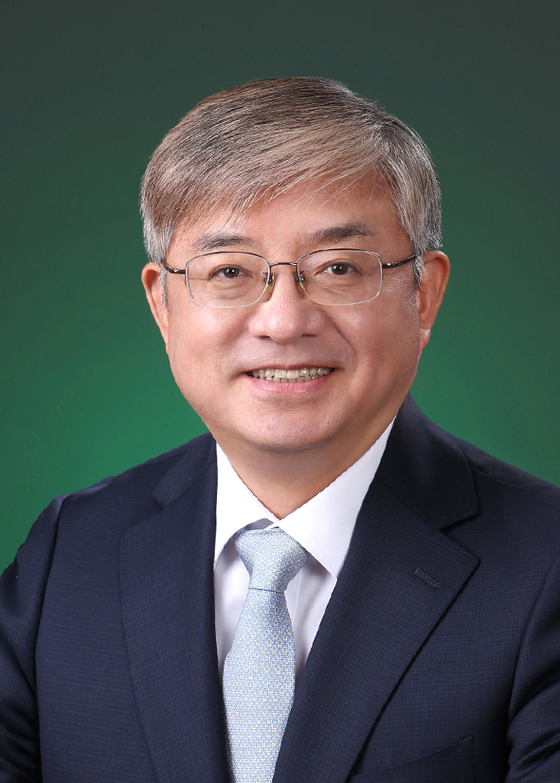
The author is the former ambassador to Kuwait and head of the Reset Korea Climate Response Committee. Recent international developments are forcing countries to reconsider the fundamentals of energy security. In the Middle East, tensions between the United States and Iran continue to intensify, while Kuwait last month declared force majeure on exports of crude oil and petroleum products. At the same time, the Russian invasion of Ukraine has dragged on into a prolonged conflict, solidifying an era in which energy itself is used as a geopolitical weapon. As a result, instability surrounding the Strait of Hormuz, including volatility in oil prices and global supply chains, is no longer a temporary variable. It is increasingly becoming a structural constant in the global economy. For Korea, the risks are especially severe. The country depends on the Middle East for more than 70 percent of its crude oil imports, while crude oil and petroleum products account for roughly 18 percent of total national imports, valued at approximately $113.1 billion. Even more concerning is Korea's structural vulnerability: About 95 percent of crude oil imported from the Middle East passes through the Strait of Hormuz. The moment the strait faces disruption, domestic industry and consumer prices in Korea are likely to be affected immediately. The recent risks originating from Kuwait clearly illustrate one reality: An energy system excessively dependent on a particular region and maritime shipping route can collapse unexpectedly and with little warning. The war in Ukraine has already demonstrated this lesson in stark terms. Europe relied heavily on inexpensive Russian natural gas for years and paid a steep price after the outbreak of war. Energy dependence, in the end, became a strategic vulnerability. Korea cannot assume it will be exempt from the same danger. If the current structure remains unchanged, the next crisis may not simply involve higher prices but actual physical supply disruptions. Against this backdrop, Spain has chosen a very different path. Through its National Energy and Climate Plan for 2021–2030, known as PNIEC, Spain established a goal of increasing renewable energy to 81 percent of total electricity generation. Since then, the country has rapidly expanded solar and wind power while pursuing greater electricity self-sufficiency as a national survival strategy. The transition has not been seamless. Nevertheless, Spain has continued investing in power grids and energy storage systems, or ESS, to build an energy structure less vulnerable to external shocks. Spain's experience offers Korea at least three important lessons. First, Korea must reduce its dependence on the Middle East. Supply chain diversification cannot remain merely a political slogan. It must involve a structural reorganization of the country's energy system. As one of the world's five largest crude oil importers, Korea must regard diversification not as an option but as a survival strategy. To reduce excessive dependence on Middle Eastern oil, Korea should expand imports from countries such as the United States, Australia and Africa in order to distribute geopolitical risks more broadly. This will require stronger energy diplomacy, including deeper cooperation with major energy-producing nations and more consistent long-term resource diplomacy aimed at improving both supply stability and bargaining power in energy contracts. Second, Korea must move beyond the exhausting ideological debate surrounding renewable energy. The country no longer has the luxury of wasting time on a simplistic binary choice between solar power and nuclear energy. The real priority is constructing a stable electricity system. In the era of AI and carbon neutrality, electrification has become central to industrial competitiveness and economic sustainability. Ensuring a stable supply of electricity through renewable energy and other sources is now among the country's most urgent tasks. At th...
Embed this episode
NOW PLAYING
Korea must accelerate its energy transition beyond Middle East dependence
No transcript for this episode yet
Similar Episodes
No similar episodes found.
Similar Podcasts
No similar podcasts found.