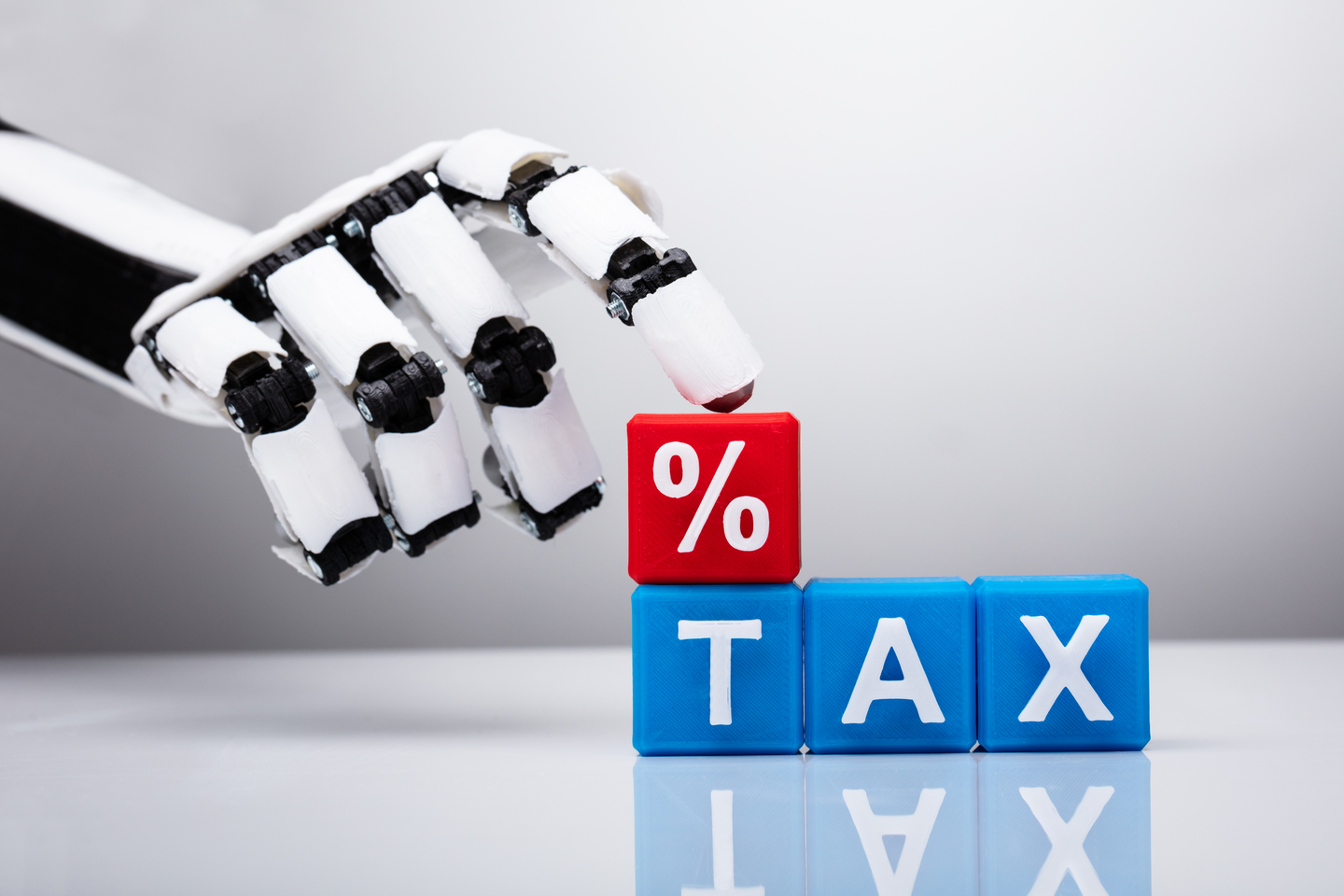
Korea weighs 'robot tax' as AI-driven job losses loom episode artwork

EPISODE · May 5, 2026 · 7 MIN

Korea weighs 'robot tax' as AI-driven job losses loom

from Korea JoongAng Daily - Daily News from Korea · host SARAH CHEA

This article is by Sarah Chea and read by an artificial voice. [NEWS ANALYSIS] Advanced AI is wiping out a vast number of human jobs, fueling calls for a so-called "robot tax" as a hedge against mass technological unemployment. Korea is weighing the introduction of such a levy as the threat of AI-led disruption grows more tangible, underscored by the debut of the Atlas humanoid at CES 2026. OpenAI recently suggested the concept of taxing "automated labor," while major tech figures, including Bill Gates and Elon Musk, have long advocated for a so-called robot tax, or more broadly, an "AI tax." The National Assembly Futures Institute recently released a report urging swift legislation for an "AI social security tax," designed to channel profits generated by AI back into society. President Lee Jae Myung has also said that a robot tax could be considered. However, questions remain over scope, amid concerns that poorly calibrated measures could dampen innovation and gradually erode sustained economic dynamism. No country has yet officially adopted a robot tax, but similar policy directions are emerging through measures such as the European Union's AI Act, which establishes a comprehensive regulatory framework for AI based on risk, transparency and accountability, and a proposed automation layoff tax bill in New York State, which would impose costs on firms that replace workers through large-scale automation. Earned by AI, shared with everyone At its core, the robot tax envisions companies that deploy robots paying into the public purse, with governments redistributing the proceeds, whether through direct cash transfers, public funds or targeted policy programs. Proponents argue that while industrial robots generate vast profits, they remain largely outside traditional tax regimes, creating gaps in income tax revenues that would otherwise be collected if human workers filled those roles. As automation displaces workers at scale, they add, such a levy could finance retraining and support for those pushed out of the labor market. The case carries particular weight in Korea, which has the world's highest robot density. Korea deployed 1,012 industrial robots per 10,000 employees in 2023, far exceeding the global average of 162, according to data from the International Federation of Robotics. The gap is stark with Singapore, the runner-up, recording 770 units, followed by China at 470 and Germany at 430. "The cleanest approach will be creating a dedicated 'AI tax' or 'robot tax,' for firms whose profits have surged on the back of AI, and redistributing the proceeds as a form of basic income to those displaced," said Jeon Chang-bae, chairman of the International Association for AI and Ethics. "If deployed as public policy funding, priority should go to retraining and reemployment support," he added. Labor tensions are already surfacing as the union at Hyundai has insisted that the introduction of its Atlas robot on factory floors "cannot proceed without prior consultation," and has written guarantees on employment and working conditions tied to AI adoption into this year's wage negotiations. Yet much of the company's current factory work force entered in the 1970s and is nearing retirement, suggesting that a large-scale deployment of humanoids could coincide with their exit. "Once the bulk of today's militant union cohort retires, the gap could be filled with humanoids rather than new hires," said Koh Tae-bong, an executive director at iM Securities, adding that the shift could deliver Hyundai "enormous gains." Taxing the future before arrival Critics warn that a premature robot tax could stifle technological progress and — given its tight link to national competitiveness — push companies to offshore operations in territories without such taxation. Bind innovation with taxation, they argue, and firms will turn cautious on research and development, shifting their centers of gravity abroad. "Companies already pay corporate taxes on t...

This article is by Sarah Chea and read by an artificial voice. [NEWS ANALYSIS] Advanced AI is wiping out a vast number of human jobs, fueling calls for a so-called "robot tax" as a hedge against mass technological unemployment. Korea is weighing the introduction of such a levy as the threat of AI-led disruption grows more tangible, underscored by the debut of the Atlas humanoid at CES 2026. OpenAI recently suggested the concept of taxing "automated labor," while major tech figures, including Bill Gates and Elon Musk, have long advocated for a so-called robot tax, or more broadly, an "AI tax." The National Assembly Futures Institute recently released a report urging swift legislation for an "AI social security tax," designed to channel profits generated by AI back into society. President Lee Jae Myung has also said that a robot tax could be considered. However, questions remain over scope, amid concerns that poorly calibrated measures could dampen innovation and gradually erode sustained economic dynamism. No country has yet officially adopted a robot tax, but similar policy directions are emerging through measures such as the European Union's AI Act, which establishes a comprehensive regulatory framework for AI based on risk, transparency and accountability, and a proposed automation layoff tax bill in New York State, which would impose costs on firms that replace workers through large-scale automation. Earned by AI, shared with everyone At its core, the robot tax envisions companies that deploy robots paying into the public purse, with governments redistributing the proceeds, whether through direct cash transfers, public funds or targeted policy programs. Proponents argue that while industrial robots generate vast profits, they remain largely outside traditional tax regimes, creating gaps in income tax revenues that would otherwise be collected if human workers filled those roles. As automation displaces workers at scale, they add, such a levy could finance retraining and support for those pushed out of the labor market. The case carries particular weight in Korea, which has the world's highest robot density. Korea deployed 1,012 industrial robots per 10,000 employees in 2023, far exceeding the global average of 162, according to data from the International Federation of Robotics. The gap is stark with Singapore, the runner-up, recording 770 units, followed by China at 470 and Germany at 430. "The cleanest approach will be creating a dedicated 'AI tax' or 'robot tax,' for firms whose profits have surged on the back of AI, and redistributing the proceeds as a form of basic income to those displaced," said Jeon Chang-bae, chairman of the International Association for AI and Ethics. "If deployed as public policy funding, priority should go to retraining and reemployment support," he added. Labor tensions are already surfacing as the union at Hyundai has insisted that the introduction of its Atlas robot on factory floors "cannot proceed without prior consultation," and has written guarantees on employment and working conditions tied to AI adoption into this year's wage negotiations. Yet much of the company's current factory work force entered in the 1970s and is nearing retirement, suggesting that a large-scale deployment of humanoids could coincide with their exit. "Once the bulk of today's militant union cohort retires, the gap could be filled with humanoids rather than new hires," said Koh Tae-bong, an executive director at iM Securities, adding that the shift could deliver Hyundai "enormous gains." Taxing the future before arrival Critics warn that a premature robot tax could stifle technological progress and — given its tight link to national competitiveness — push companies to offshore operations in territories without such taxation. Bind innovation with taxation, they argue, and firms will turn cautious on research and development, shifting their centers of gravity abroad. "Companies already pay corporate taxes on t...

NOW PLAYING

Korea weighs 'robot tax' as AI-driven job losses loom

0:00 7:25

No transcript for this episode yet

We transcribe on demand. Request one and we'll notify you when it's ready — usually under 10 minutes.

No similar episodes found.

No similar podcasts found.

Frequently Asked Questions

How long is this episode of Korea JoongAng Daily - Daily News from Korea?

This episode is 7 minutes long.

When was this Korea JoongAng Daily - Daily News from Korea episode published?

This episode was published on May 5, 2026.

What is this episode about?

This article is by Sarah Chea and read by an artificial voice. [NEWS ANALYSIS] Advanced AI is wiping out a vast number of human jobs, fueling calls for a so-called "robot tax" as a hedge against mass technological unemployment. Korea is weighing...

Can I download this Korea JoongAng Daily - Daily News from Korea episode?

Yes, you can download this episode by clicking the download button on the episode player, or subscribe to the podcast in your preferred podcast app for automatic downloads.
URL copied to clipboard!