
EPISODE · Apr 27, 2026 · 8 MIN
Korean pet owners suffer profound grief over dead companions. But does society recognize their loss?
from Korea JoongAng Daily - Daily News from Korea · host CHO JUNG-WOO
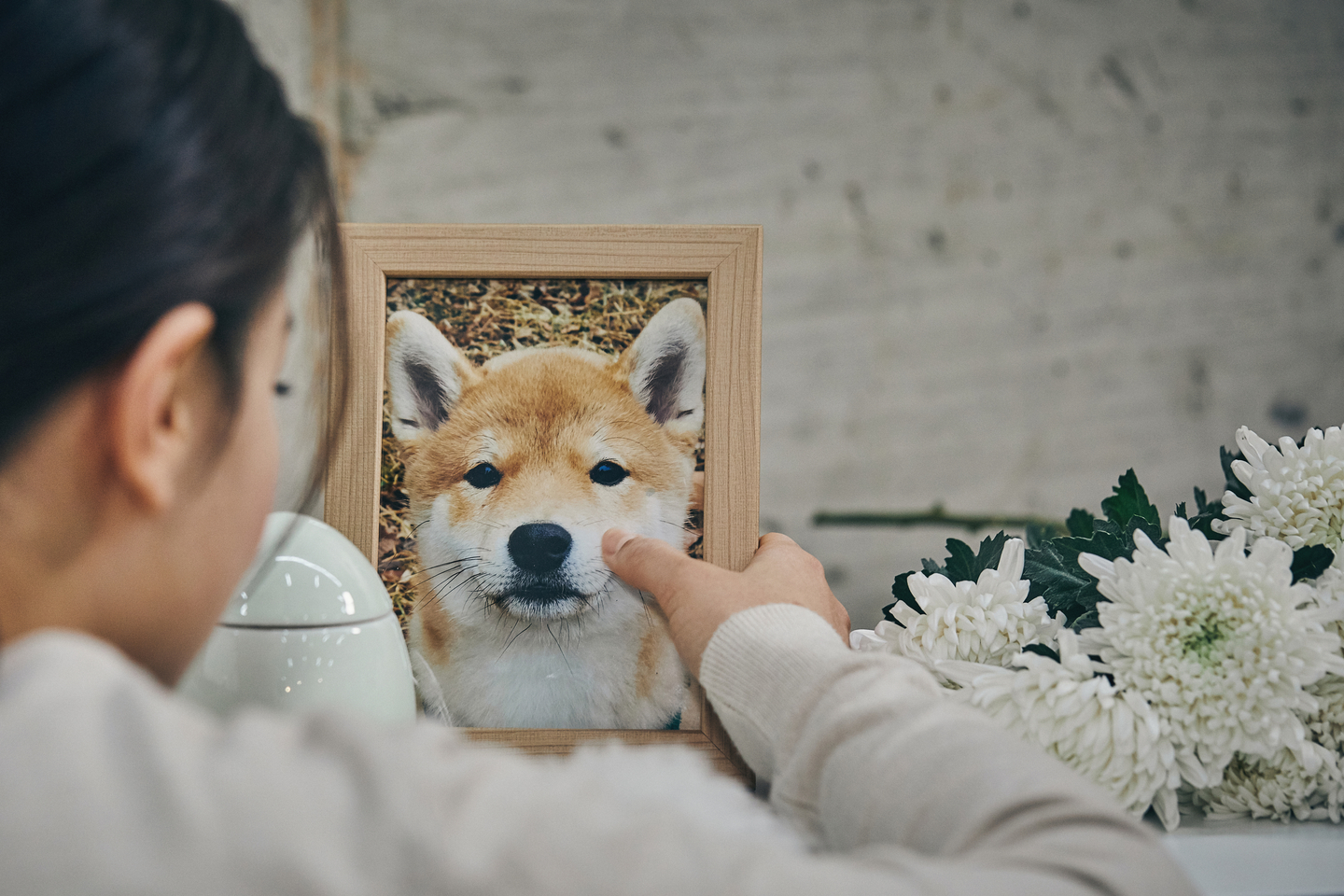
This article is by Cho Jung-woo and read by an artificial voice. "I always expected a proper farewell," an office worker in his 30s quietly said at a cafe in Jongno District, central Seoul. "But it's beyond what I had imagined, this excessive weight of loss." The man, surnamed Yoo, who asked to be identified by a pseudonym to protect his privacy, lost his 14-year-old Maltese early last month. He had anticipated the day would come, given that his dog frequently went to a hospital for heart illness. But the pain was far beyond what he had imagined. As the number of pet owners in Korea surpasses 15.4 million, more people are grappling with the profound grief of losing family-member like pets. The shift is driven by a burgeoning "pet-fam" culture where animals are viewed as primary family members. The trend is inextricably linked to Korea's rapidly aging society and low birthrates, which have transformed pets into "second children" for empty nesters and vital anchors for the country's growing population of single-person households. According to the 2025 Korea Pet Report by KB Financial Group Management Research Institute, 83.2 percent of pet owners reported experiencing a sense of depression after their pets "crossed the rainbow bridge." The survey was conducted nationwide among 1,000 pet owners aged 20 to 69. Among them, those who said the feeling persisted for over a year accounted for 16.5 percent. In response, private counseling services, a dedicated hotline and local government programs have emerged in recent years. Yet critics argue that support remains insufficient, citing a persistent gap in perceptions between pet owners and non-pet owners. The disconnect often creates a climate of disenfranchised grief — a sorrow that society does not fully acknowledge or validate — making it significantly harder for those suffering to recover. Full mourning For Yoo's family, the small Maltese was a ball of joy for the whole household. "She used to bark whenever I pressed on the smart lock pad to enter home," Yoo said. "But now I hear nothing." He noted that while his dog was a small creature weighing less than 2 kilograms, her absence affected the entire household. The remnants of her life remain in the home. "We are still keeping her urn at our house after cremating her body," he said, adding that he was planning to scatter the ashes near a meaningful location, but he wasn't ready yet. Instead, the family set up a small commemorative area with the urn and a doll she used to play with. "I say hi to her every time I pass the area." Under current legislation, deceased pets are classified as requiring disposal in paid household waste bags, arranged through a veterinary clinic, or processed at a specialized funeral facility. For a more respectful parting, Yoo secured a time slot at a pet crematorium. The standard procedure at these facilities typically begins with a professional consultation, followed by the cleansing and grooming of the pet's body. After a brief period for the family to commemorate and say their final goodbyes, the cremation takes place. Afterward, owners are presented with the remains, which are often ground into a fine powder and returned in an urn. In some instances, owners opt to transform the remains into "memorial stones" — small, solidified gems — as a lasting way to keep their pets close. For pets weighing less than 5 kilograms, the base cremation cost generally ranges from 200,000 won ($135) to 250,000 won. However, overall spending on these services is rising. According to the 2025 Korea Pet Report, the average expenditure for a pet funeral reached around 463,000 won last year, marking a 22 percent increase from 2023. Experts emphasize that fully mourning the loss is essential for recovery, yet many feel pressured to hide their pain. "People need enough time to process the pain to recover faster," said Park Eun-gyeong, director of the Pet Loss Counseling Center under the Korea Pet Promotion Association. "I...
Embed this episode
NOW PLAYING
Korean pet owners suffer profound grief over dead companions. But does society recognize their loss?
No transcript for this episode yet
Similar Episodes
No similar episodes found.
Similar Podcasts
No similar podcasts found.