
EPISODE · Mar 3, 2026 · 42 MIN
Laws of the Universe compared with the Laws created by Humans . Why is it important in the 21st Century?
from Fear Kills more People than Disease and Infections
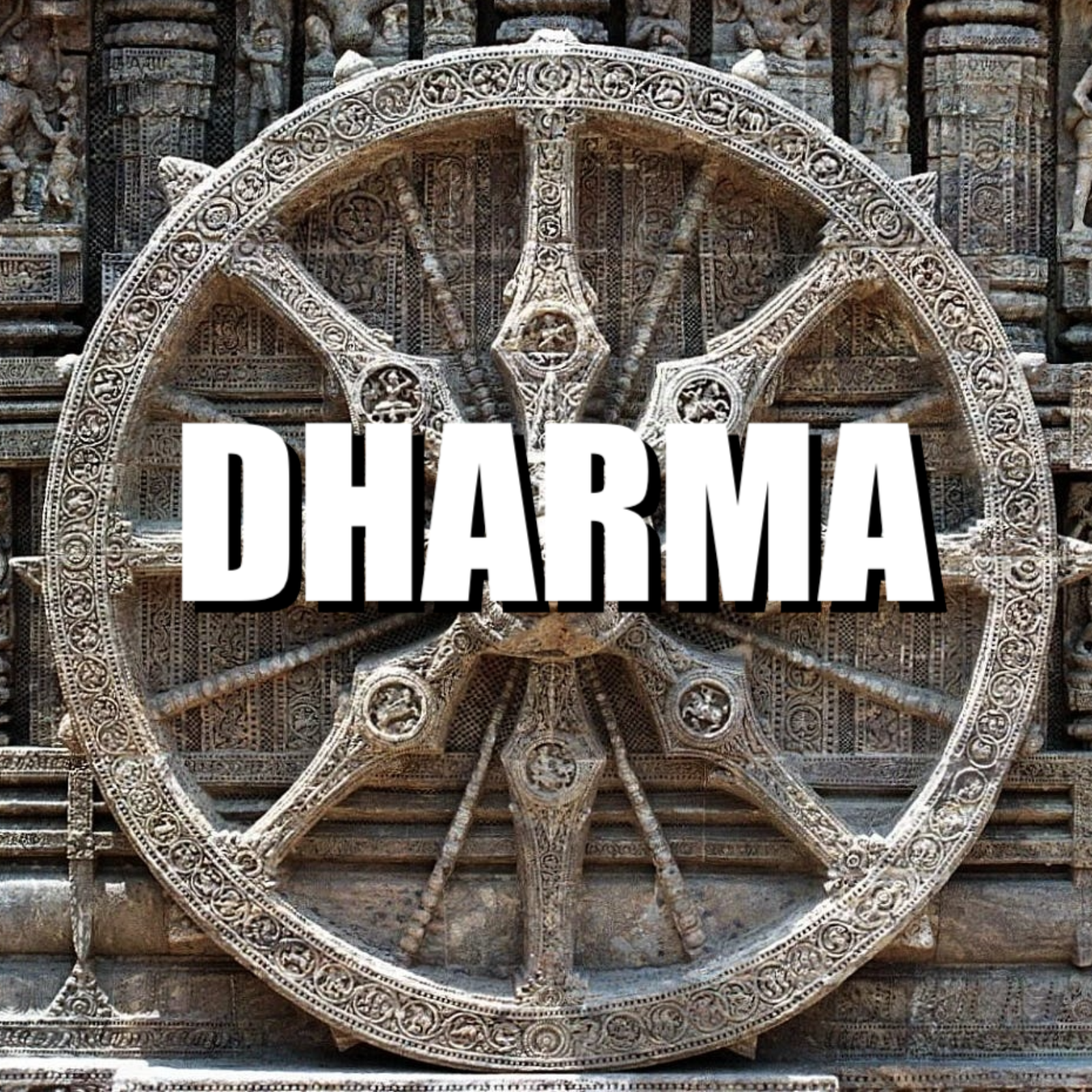
LAWS OF THE UNIVERSE: DHARMAHindu Dharma (often referred to as Sanātana Dharma, meaning the “eternal way” or “eternal Law”) is an ancient, diverse, and highly pluralistic tradition. Rather than prescribing a single, rigid code of behaviour, it offers multiple teachings, texts, and philosophical schools that guide individuals in how to live ethically and pursue spiritual goals. Below is an overview of some widely recognised principles and concepts in Hindu thought that influence human conduct and moral decision-making.The majority of people in India associate their actions with dharma, not knowing the true meaning. They spend their whole life performing poojas and listening to people who declare themselves Guru, Bhagavan, Vidwan, or Spiritualist, not knowing that anyone who monetises their knowledge accumulates bad karma. A true Hindu is one who will not surrender their free will and does not inflict physical or mental pain and suffering on another soul because we are all connected. 1. Dharma (धर्म)Core Meaning: Dharma is often translated as righteousness, duty, moral order, or virtue. It encompasses one’s responsibilities and the ethical principles that uphold cosmic and social harmony.Application:Personal Duties: Vary by individual, depending on one’s role in family and society.Social Harmony: Encourages actions that support communal well-being and ethical living.Universal Values: Truth (satya), non-violence (ahiṃsā), and compassion are widely considered part of universal dharma.Dharma is a cornerstone of Hindu ethics and acts as a moral compass, guiding individuals toward actions that maintain balance (ṛta) in oneself, society, and the cosmos.2. Karma (कर्म)Definition: Literally means “action.” In Hindu thought, it represents both the action and the moral Law of cause and effect: every intentional deed (physical, verbal, or mental) has consequences that shape one’s future experiences.Implications for Behaviour:Encourages responsibility for one’s actions, as harmful deeds generate negative consequences (and vice versa).• • Influences character and life circumstances across one’s current and future existences (through saṃsāra, the cycle of rebirth).Emphasises ethical living and self-awareness, knowing that all deliberate actions “plant seeds” that eventually bear fruit (good or bad).A Holistic Ethical VisionRather than a single set of rigid “laws,” Hindu Dharma provides a holistic moral and spiritual framework grounded in:Dharma: Righteous duty and ethical living.Karma: Understanding the consequences of one’s actions.Purushārthas: Balancing worldly and spiritual aims.Yamas and Niyamas: Practical guidelines for ethical and personal discipline.Devotion, Knowledge, and Service: Paths that transform inner character and guide outward conduct.At its heart, Hindu Dharma emphasizes responsibility, compassion, and the pursuit of higher truth, encouraging individuals to align their actions with cosmic harmony (ṛta) and progress toward both worldly well-being and ultimate liberation (mokṣa).
Embed this episode
NOW PLAYING
Laws of the Universe compared with the Laws created by Humans . Why is it important in the 21st Century?
No transcript for this episode yet
Similar Episodes
No similar episodes found.
Similar Podcasts
No similar podcasts found.