
EPISODE · Jun 12, 2026 · 4 MIN
LEGGI BENE!
from You've got mail (C'è posta per te) · host Monica
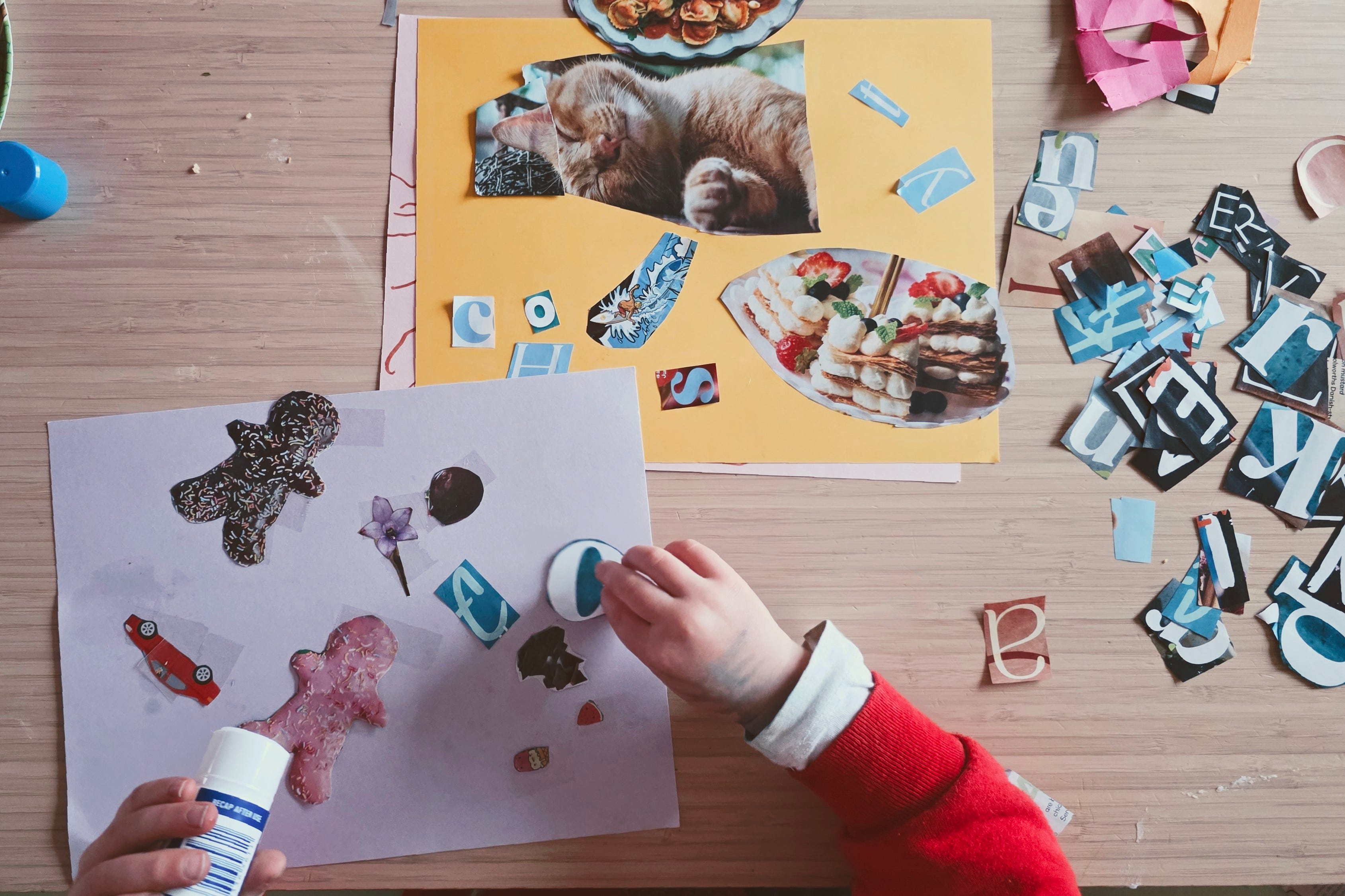
Ciao, I’m Monica from Su Misura Italy — and this is You’ve Got Mail, in Italian. Every week I write these letters in Italian, with the English translation waiting for you at the end, so you can come back to it and understand everything at your own pace. This week: on not waiting to feel ready. On imitating. On learning to speak the way children do, without fear, without perfection. Oh, and I’m borrowing one of Charlie’s favourite books, we’ve read it about four hundred times, and turning it into an Italian lesson. I also read them out loud. So if you’d rather just listen, to the rhythm, the sounds, the natural flow of the language, you can do that too. Almost like I’m speaking directly to you. Because in a way… I am. If you enjoy these letters, you’re welcome to subscribe, share with a friend, or support my work with an annual paid subscription. Caro/a tu, inizio questa lettera con un elenco (a list) di cose che sono felice di aver fatto questa settimana. Ho potato (I pruned) l’ulivo e l’edera rampicante (climbing ivy). Ho portato i bambini a tagliare i capelli. Sono andata al parco con un’amica. Ho cucinato abbastanza cibo da riempire mezzo freezer. Abbiamo festeggiato il King’s Birthday (che per qualche motivo è occasione di festa nazionale qui in Australia) con amici in una fattoria piena di caprette (little goats) e formaggi pericolosamente (dangerously) buoni. Ho lavato la macchina. Sono andata dalla commercialista (accountant). E ho passato parecchio (a lot of) tempo a fare collage con i bambini, una cosa che mi diverte un sacco. Mentre ritagliavamo (we were cutting out) pezzi di carta colorata e li incollavamo (we were gluing) senza troppa logica apparente, mi è venuto in mente che imparare una lingua assomiglia molto ai collage dei bambini. All’inizio sembra tutto un po’ disordinato (messy). Una parola qui, una frase là, una regola grammaticale che non sai bene dove mettere, un verbo che continua a sfuggirti. Poi, lentamente, qualcosa inizia a prendere forma. Non perché hai studiato tutto perfettamente, ma perché hai continuato ad aggiungere piccoli pezzi. E credo che spesso noi adulti dimentichiamo una cosa importante. I bambini non aspettano di sentirsi pronti. Provano. Sbagliano. Riprovano. Imitano. E alla fine imparano. Ed eccoci arrivati al cuore della lettera di oggi. Perché se c’è una cosa che vedo continuamente nei nostri studenti è questa: tutti vogliono parlare italiano, ma quasi nessuno si sente davvero pronto per farlo. La buona notizia? Non devi aspettare di sentirti pronto. Anzi, spesso il modo migliore per imparare a parlare è fare qualcosa che all’inizio sembra quasi ridicola: imitare. Questa settimana voglio mostrarti uno degli esercizi che utilizziamo più spesso a scuola e che funziona sorprendentemente (surprisingly) bene a tutti i livelli. E per farlo prenderò in prestito uno dei libri preferiti di Charlie, che nelle ultime settimane abbiamo letto più o meno quattrocento volte. Si chiama L’albero alfabeto. È un libro per bambini, ma come spesso accade con i libri per bambini, contiene una lezione molto intelligente anche per noi adulti. Torno a fare i collage con i piccolini e ti lascio alla nostra consueta raccolta di cose da leggere, ascoltare e imparare. Puoi scegliere una cosa sola, oppure gustartele tutte con calma. Se sei già tra i nostri studenti, portala in classe: ne parleremo insieme alla prossima lezione. E se ti va di iniziare a parlare italiano con noi, ti aspettiamo a uno dei nostri The Italian Table. Da questa settimana abbiamo aggiunto nuovi orari per rendere più facile la partecipazione anche ai nostri amici nel Regno Unito e negli Stati Uniti. A presto, Monica ASCOLTA, RIPETI, LEGGI E IMITAMI This week’s Challenge: Listen, Repeat, Read and Imitate FOTO DEL LIBRO Ispirato al bellissimo libro per bambini L’albero alfabeto by Leo Lionni, ho preparato un esercizio semplice ma molto efficace. È una storia che parla di lettere. Di parole. E del potere che hanno di unirci. In the story, letters rest peacefully on the Foglie (leaves) of a tree, swaying in the breeze. But when a storm comes, the letters unite to form words like Pace (peace) and Uomini (men). Together, they create a powerful sentence: Pace in terra agli uomini di buona volonta’ (peace on earth to men of goodwill). La tua sfida di questa settimana Here’s Your Challenge 1. Ascolta/Listen: I’ve recorded myself reading this poetic story. You can also find the recording in the resources below. 2. Imita/Imitate: Listen carefully and repeat each sentence aloud, mimicking the TONO (tone) and RITMO (rhythm) of my voice. Don’t worry if it feels awkward at first—it’s all part of the process! 3. Leggi con me / Read with Me: Follow along as I read the story. Pause if needed and try to match my pronunciation and intonation. A Vocabulary Sheet with key words from the story to expand your Italian lexicon 4. Ora prova da solo/a / Go Solo: Once you feel confident, try reading it aloud on your own. It might feel challenging at first, but you’ll notice it getting easier and more natural. 5. Concentrati sul suono / Focus on Sound: Don’t stress about understanding every word right away. Concentrate on how the words flow together and how they sound. THE ITALIAN TABLE Speaking of imitation, pronunciation, and reading out loud... This week at The Italian Table we’ll continue working on exactly these skills. We’ll read together from L’albero alfabeto and a few other delightful Italian children’s books. We’ll slow down and focus on some of the trickier sounds, practise spelling in Italian, and work on pronunciation in a fun and relaxed way. We’ll also play a few games and activities designed to train your ear, improve your pronunciation, and help you speak more naturally and confidently. Intermediate Table, Mercoledì, 7:30 PM Melbourne → Reserve your place here • 10:30 AM Londra• 5:30 AM New York• 2:30 AM Los Angeles Advanced Table, Giovedì, 9:30 AM Melbourne → Reserve your place here • 7:30 PM (mercoledì) New York• 4:30 PM (mercoledì) Los Angeles VIENI SU WHATSAPP E DIMMI COME SI SCRIVE? Why You Should Know How to Spell in Italian There’s something funny I notice quite often with Italian learners. Many of them know hundreds of words. They can order a coffee, talk about their holidays, and even have surprisingly deep conversations. But the moment I ask: “Come si scrive il tuo cognome?” panic sets in. A come...?B come...?Aspetta... come si dice J in Italiano? Knowing how to spell in Italian is incredibly useful. In Italy, you might need it when booking a hotel, giving your email address, making a phone call, speaking to an office, a pharmacy, or an airline. People can’t see how your name is written. You have to tell them. So here’s another small challenge for this week: Prova a fare lo spelling del tuo: nome, cognome, città, indirizzo email interamente in italiano. Sembra un esercizio semplice ma troppo importante! Leave us a message in our free WhatsApp Community, a small, friendly space where learners practise Italian together every week, share resources, ask questions, and stay motivated. → Join the community MATERIALE DI STUDIO: L’ALFABETO e LE VOCALI This week we’re going back to basics. Not because the alphabet is simple, but because it’s one of those things we learn at the very beginning and then almost immediately forget. IL MIO REGALO: Below you’ll find two lesson from our students library: → The Italian alphabet → Mastering the Italian Vowels Save it, print it, or keep it on your phone. You might be surprised by how often you’ll use it. Want to finally feel confident reading Italian out loud? If you’d like to feel more confident reading, spelling and pronouncing Italian words, our 2-Week Guided Italian Pronunciation Course is a great place to start. We’ll work on sounds, rhythm, stress and reading aloud — the building blocks of clear, natural Italian. → Find out more here LEGGI BENE ENG translation Dear you, I’m starting this letter with a list of things I’m happy I managed to do this week. I pruned the olive tree and the climbing ivy. I took the children to get their hair cut. I went to the park with a friend. I cooked enough food to fill half the freezer. We celebrated the King’s Birthday (which, for some reason, is a public holiday here in Australia) with friends on a farm full of little goats and dangerously good cheese. I washed the car. I went to see my accountant. And I spent quite a bit of time making collages with the children, which is something I enjoy far more than I probably should. As we cut out pieces of coloured paper and glued them together without much apparent logic, it occurred to me that learning a language is a lot like children’s collages. At first, everything feels a bit messy. A word here, a sentence there, a grammar rule you’re not quite sure where to put, a verb that keeps slipping away from you. Then, slowly, something starts to take shape. Not because you’ve studied everything perfectly, but because you’ve kept adding small pieces. And I think we adults often forget something important. Children don’t wait until they feel ready. They try. They make mistakes. They try again. They imitate. And eventually, they learn. And that brings us to the heart of today’s letter. Because if there’s one thing I see over and over again in our students, it’s this: everyone wants to speak Italian, but almost nobody feels truly ready to do it. The good news? You don’t have to wait until you feel ready. In fact, one of the best ways to learn to speak is to do something that initially feels almost ridiculous: imitate. This week I want to show you one of the exercises we use most often at school, and one that works surprisingly well at every level. To do that, I’m borrowing one of Charlie’s favourite books, which we’ve read approximately four hundred times over the past few weeks. It’s called The Alphabet Tree. It’s a children’s book, but as is often the case with children’s books, it contains a very clever lesson for adults too. I’m going back to making collages with my little ones now, and I’ll leave you with our usual collection of things to read, listen to and learn from. You can choose just one, or enjoy them all at your own pace. If you’re already one of our students, bring it along to class—we’ll talk about it together at your next lesson. And if you’d like to start speaking Italian with us, we’d love to welcome you to one of our Italian Table conversation groups. Starting this week, we’ve added some new times to make it easier for our friends in the United Kingdom and the United States to join us too. A presto, Monica Get full access to You've got mail ... in Italian ! at sumisuraitaly.substack.com/subscribe
Embed this episode
Ready to play
LEGGI BENE!
No transcript for this episode yet
Similar Episodes
No similar episodes found.
Similar Podcasts
No similar podcasts found.