Leveraged Samsung and SK ETFs risk overheating markets episode artwork

EPISODE · May 26, 2026 · 3 MIN

Leveraged Samsung and SK ETFs risk overheating markets

from Korea JoongAng Daily - Daily News from Korea

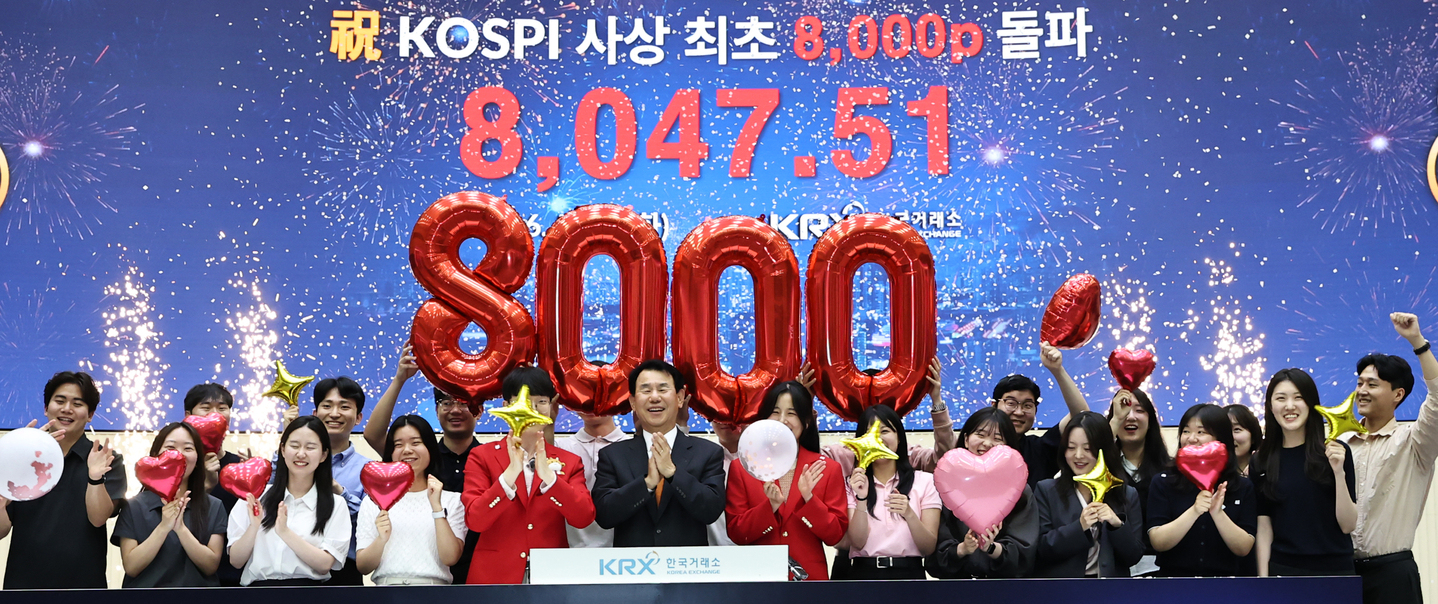
Exchange-traded funds (ETF) tracking Samsung Electronics and SK hynix shares at twice their daily movement are set to debut on Korea's stock market on Wednesday, raising concerns that the government may be prioritizing market stimulus over financial stability. The products include 16 leveraged ETFs designed to deliver gains or losses equal to two times the daily movement of the underlying shares, along with two inverse ETFs that move in the opposite direction. The combined value of the planned listings amounts to 4.32 trillion won ($2.88 billion). More than 130,000 investors have already completed mandatory education courses required to purchase the products. Industry estimates suggest the launch could attract more than 5 trillion won in fresh investment funds. These ETFs are considered extremely high-risk products because leverage magnifies both gains and losses. Given Korea's daily stock price movement limit of 30 percent, investors could theoretically record gains or losses of up to 60 percent in a single day. The risks become even greater when share prices move sideways over an extended period. In such cases, the so-called negative compounding effect can rapidly erode returns, potentially wiping out an investor's principal entirely. Because of those risks, financial authorities had previously refused to allow leveraged or inverse ETFs tied to individual stocks. The government's position changed late last year after the sharp rise in the won-dollar exchange rate accelerated investment by retail investors into overseas markets. Authorities appear to have approved the Samsung Electronics and SK hynix products partly to lure individual investors back into Korea's domestic market. The concern, however, is that such products could pour fuel onto an already overheated market and sharply increase volatility. The Kospi, which closed above the 8,000-point threshold for the first time on Tuesday, already ranks among the world's most volatile major indexes. Samsung Electronics and SK hynix, the underlying assets of the ETFs, also experience frequent sharp swings in share prices. Because the two companies together account for nearly half of the Kospi's total market capitalization, concentrated inflows into the leveraged ETFs could destabilize not only the two stocks themselves but the broader Korean market. Although the Kospi has surged enough to become the world's seventh-largest stock market by capitalization, underlying conditions remain fragile. Margin lending balances have also climbed to a record 36 trillion won. Despite mounting uncertainty surrounding the market, the government is considering additional measures to support stock prices, including increasing the National Pension Service's allocation to domestic equities. Stimulating the market cannot become the government's sole priority. Authorities must also strengthen safeguards against the shocks that excessive volatility could bring. This article was originally written in Korean and translated by a bilingual reporter with the help of generative AI tools. It was then edited by a native English-speaking editor. All AI-assisted translations are reviewed and refined by our newsroom.

Exchange-traded funds (ETF) tracking Samsung Electronics and SK hynix shares at twice their daily movement are set to debut on Korea's stock market on Wednesday, raising concerns that the government may be prioritizing market stimulus over financial stability. The products include 16 leveraged ETFs designed to deliver gains or losses equal to two times the daily movement of the underlying shares, along with two inverse ETFs that move in the opposite direction. The combined value of the planned listings amounts to 4.32 trillion won ($2.88 billion). More than 130,000 investors have already completed mandatory education courses required to purchase the products. Industry estimates suggest the launch could attract more than 5 trillion won in fresh investment funds. These ETFs are considered extremely high-risk products because leverage magnifies both gains and losses. Given Korea's daily stock price movement limit of 30 percent, investors could theoretically record gains or losses of up to 60 percent in a single day. The risks become even greater when share prices move sideways over an extended period. In such cases, the so-called negative compounding effect can rapidly erode returns, potentially wiping out an investor's principal entirely. Because of those risks, financial authorities had previously refused to allow leveraged or inverse ETFs tied to individual stocks. The government's position changed late last year after the sharp rise in the won-dollar exchange rate accelerated investment by retail investors into overseas markets. Authorities appear to have approved the Samsung Electronics and SK hynix products partly to lure individual investors back into Korea's domestic market. The concern, however, is that such products could pour fuel onto an already overheated market and sharply increase volatility. The Kospi, which closed above the 8,000-point threshold for the first time on Tuesday, already ranks among the world's most volatile major indexes. Samsung Electronics and SK hynix, the underlying assets of the ETFs, also experience frequent sharp swings in share prices. Because the two companies together account for nearly half of the Kospi's total market capitalization, concentrated inflows into the leveraged ETFs could destabilize not only the two stocks themselves but the broader Korean market. Although the Kospi has surged enough to become the world's seventh-largest stock market by capitalization, underlying conditions remain fragile. Margin lending balances have also climbed to a record 36 trillion won. Despite mounting uncertainty surrounding the market, the government is considering additional measures to support stock prices, including increasing the National Pension Service's allocation to domestic equities. Stimulating the market cannot become the government's sole priority. Authorities must also strengthen safeguards against the shocks that excessive volatility could bring. This article was originally written in Korean and translated by a bilingual reporter with the help of generative AI tools. It was then edited by a native English-speaking editor. All AI-assisted translations are reviewed and refined by our newsroom.

NOW PLAYING

Leveraged Samsung and SK ETFs risk overheating markets

0:00 3:19

No transcript for this episode yet

We transcribe on demand. Request one and we'll notify you when it's ready — usually under 10 minutes.

No similar episodes found.

No similar podcasts found.

Frequently Asked Questions

How long is this episode of Korea JoongAng Daily - Daily News from Korea?

This episode is 3 minutes long.

When was this Korea JoongAng Daily - Daily News from Korea episode published?

This episode was published on May 26, 2026.

What is this episode about?

Exchange-traded funds (ETF) tracking Samsung Electronics and SK hynix shares at twice their daily movement are set to debut on Korea's stock market on Wednesday, raising concerns that the government may be prioritizing market stimulus over...

Can I download this Korea JoongAng Daily - Daily News from Korea episode?

Yes, you can download this episode by clicking the download button on the episode player, or subscribe to the podcast in your preferred podcast app for automatic downloads.
URL copied to clipboard!