
EPISODE · Dec 26, 2025 · 22 MIN
Lights Out: Author and the Thing (09-28-1943)
from Classic Streams: Old Time Retro Radio · host Dwight Allen
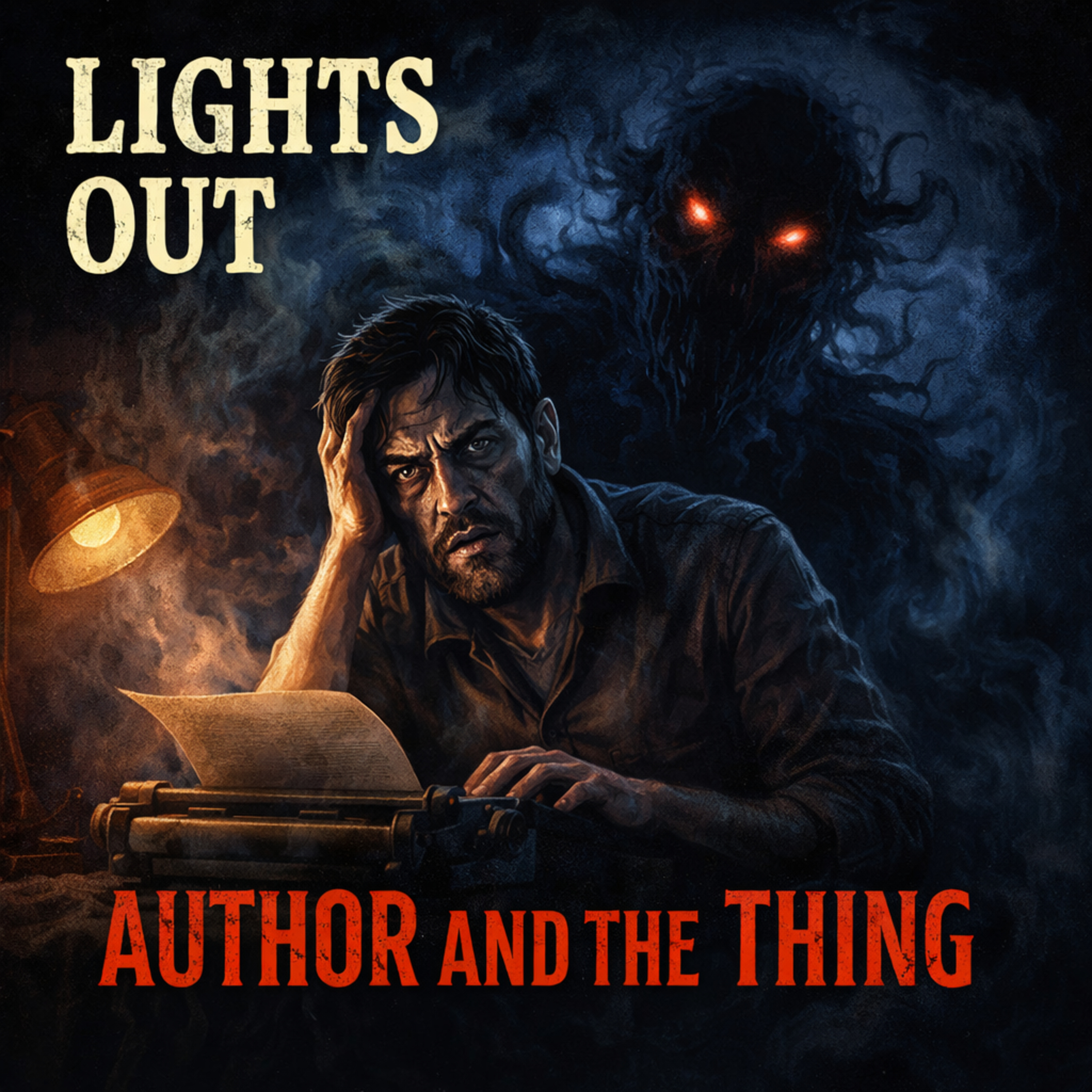
The Haunting Power of Imagination: A Journey into the Mind of a WriterThis story explores the themes of creativity, the struggle of an author to write horror stories, the conception of evil, and the psychological implications of bringing a monster to life through thought. It delves into the author's mental state as he grapples with his fears and the consequences of his imagination.In the dim glow of a solitary lamp, a writer sits, wrestling with the shadows of his own creation. The room is filled with an eerie silence, broken only by the occasional rustle of paper and the soft murmur of a voice, speaking to no one but himself. This is the world of "Lights Out," a series that delves into the unusual and the unsettling, where the boundaries between reality and imagination blur.The protagonist, a writer himself, finds his mind a battleground of ideas and fears. "I just don't know what to write about," he confesses, caught between the horrors of the world outside and the demons within. His struggle is not just with words, but with the very essence of creation. As he conjures monsters and tales of terror, he questions the morality of his craft—men are dying in foxholes, and here he is, weaving stories of ghosts and groans.Yet, it is this very act of creation that becomes his salvation and his curse. The writer's mind, a fertile ground for the seeds of imagination, gives life to a creature born of his darkest thoughts. "A tremendous force of fiendishness and inhumanity," he muses, as the lines between his fiction and reality begin to dissolve. The monster, a manifestation of his fears and guilt, becomes all too real, a testament to the power of thought and the dangers of dwelling too long in the shadows.As the story unfolds, we are reminded of the delicate balance between creativity and madness. The writer's journey is a cautionary tale, a reminder that our thoughts have the power to shape our reality, for better or worse. In the end, it is not the monsters we create that haunt us, but the realization that they are born from within.Subscribe now to explore more tales that challenge the boundaries of imagination and reality.TakeawaysThe stories told are not for the faint-hearted.Creativity can be a struggle, especially in horror.The author feels a deep connection to the characters he creates.Evil can manifest from one's own thoughts and fears.The act of writing can lead to psychological turmoil.The concept of a monster can symbolize inner demons.Mental health plays a crucial role in creative processes.The line between reality and imagination can blur in storytelling.The importance of belief in one's own narrative.Plot development often reflects personal experiences and fears.unusual stories, creativity, evil, monster, mental state, plot development, horror, radio drama, storytelling, psychological themes
Embed this episode
Ready to play
Lights Out: Author and the Thing (09-28-1943)
No transcript for this episode yet
Similar Episodes
No similar episodes found.
Similar Podcasts
No similar podcasts found.