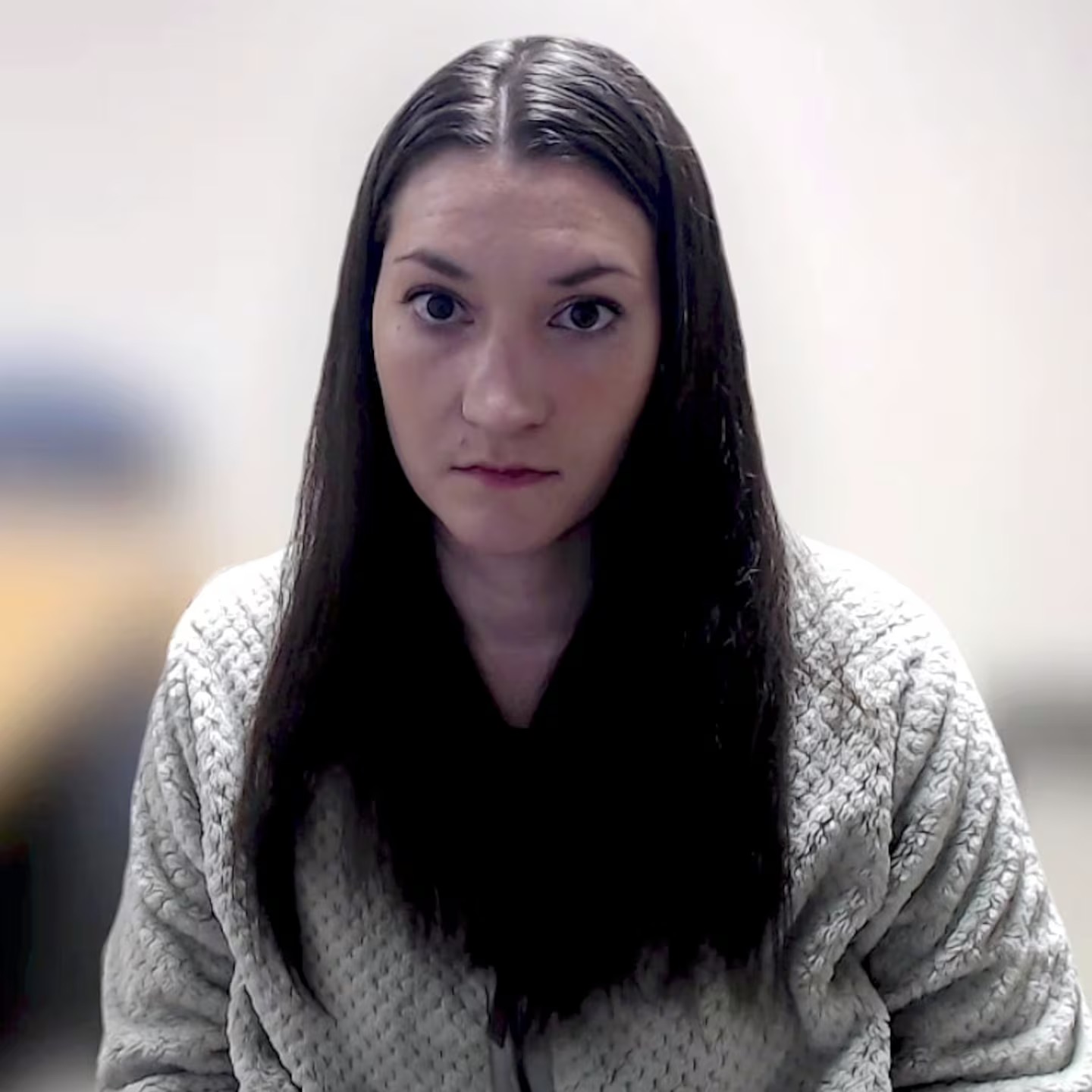
Lindsay Clancy: DEADLOCKED
from True Crime, Authors & Extraordinary People Hosted by David McClam
This episode is focused on the jury’s deadlock after days of deliberation. He explains the charges, the anti deadlock instruction, and why he thinks the case may be heading toward a mistrial.McClam also connects the trial to prior high profile cases like Karen Read and Andrea Yates, and gives his view on how manslaughter, criminal responsibility, and jury pressure could shape the final outcome. Key topics In this episode, David McClam breaks down the current status of the Lindsey Clancy jury after four days of deliberation and two deadlock notes. He explains the possible outcomes the jury is weighing: first degree murder, second degree murder, manslaughter, and not guilty by reason of insanity, or not criminally responsible. McClam outlines how a deadlock note works and why the judge first sends jurors back to deliberate before giving the anti deadlock instruction. He argues that the anti deadlock instruction can pressure jurors to change their vote just to end deliberations. McClam compares the situation to his own experience serving on a jury and says peer pressure can cause a verdict to shift unfairly. He says a third deadlock note would force the judge to declare a mistrial, since further pressure could be seen as coercing a verdict. McClam explains what happens after a mistrial, including potential juror interviews by both the prosecution and the defense to understand where the case broke down. He discusses the possibility of a retrial and says the same judge should stay on the case because he has been fair and impartial. He pushes back on comparisons between Lindsey Clancy and Andrea Yates, saying the prosecution is oversimplifying that precedent. He says adding manslaughter late in the trial may have given the jury a compromise option that complicates a straightforward acquittal or conviction. He notes that the jury is made up of nine women and three men, but he does not think gender alone explains the holdout votes. Timestamps (00:00) Opening the update and the jury deadlock status (01:35) Why the Lindsey Clancy case is stalled after four days (02:34) The charges the jury can still choose from (03:32) What a deadlock note means in court (04:29) The anti deadlock instruction and how it pressures jurors (05:54) Why McClam calls this the second strike (07:11) His criticism of the anti deadlock instruction (08:09) Personal jury experience and pressure to conform (10:04) How a mistrial would affect both sides (11:23) What prosecutors and defense attorneys learn after a mistrial (12:30) Why retrial strategy matters (14:18) Comparing the case to Karen Read (14:45) Correcting the Andrea Yates comparison (16:37) What a retrial would mean for the Commonwealth (17:06) Fair jury concerns in Massachusetts (18:56) Why manslaughter may be complicating deliberations (20:22) How manslaughter can become the compromise verdict (21:47) Public reaction and harsh online commentary (22:45) Personal reflections on abuse, trauma, and postpartum mental health (23:42) Why he thinks the gender makeup of the jury is not the deciding factor (24:09) Final verdict watch and why one more deadlock note ends it (25:14) Closing thoughts and sign off Notable Quotes “We are playing legal baseball and now this is the second strike.” “If the jury sends a third deadlock note, that is it.” “An act of kindness can make someone’s day.”
Embed this episode
No transcript yet.