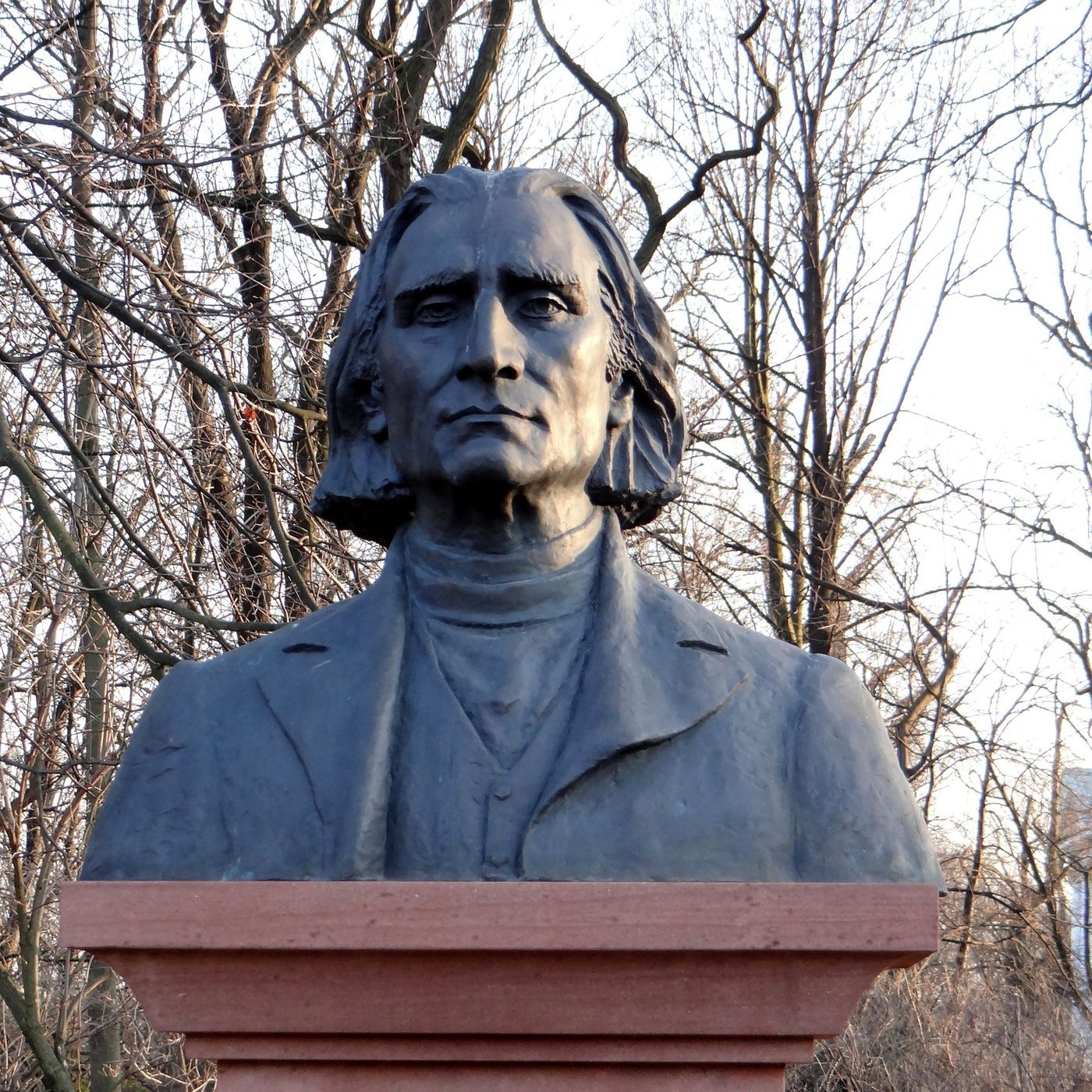
Liszt Hungarian Rhapsody no. 2, S. 244_2, orch. arr. episode artwork

EPISODE · Dec 29, 2021 · 9 MIN

Liszt Hungarian Rhapsody no. 2, S. 244_2, orch. arr.

from The #1 Musical Experience

Liszt Hungarian Rhapsody no. 2, S. Franz Liszt wrote his Hungarian Rhapsody no. 2, catalogued as S. 244/2, in 1847, and it quickly became the most famous of his rhapsodies. Besides its clear nationalistic influences, it was a piece that offered pianists the chance to reveal their skills while providing the listener with an immediate musical appeal. Its inmediate succes led to the creation of orchestral and duet piano versions. By the late 19th century, the technical challenges of the piano solo version led to its unofficial acceptance as a standard by which every notable pianist could demonstrate his level. It had become an expected staple of virtually every performance of the greatest pianists. Most unusual is the composer's explicit invitation for the performer to improvise an original cadenza, an invitation most performers chose to decline. Marc-Andre Hamelin, Rachmaninoff and Horowitz have written notable cadenzas. This composition has enjoyed widespread use in animated cartoons, and its themes have served as the basis of several popular songs. Hosted on Acast. See acast.com/privacy for more information.

Liszt Hungarian Rhapsody no. 2, S. Franz Liszt wrote his Hungarian Rhapsody no. 2, catalogued as S. 244/2, in 1847, and it quickly became the most famous of his rhapsodies. Besides its clear nationalistic influences, it was a piece that offered pianists the chance to reveal their skills while providing the listener with an immediate musical appeal. Its inmediate succes led to the creation of orchestral and duet piano versions. By the late 19th century, the technical challenges of the piano solo version led to its unofficial acceptance as a standard by which every notable pianist could demonstrate his level. It had become an expected staple of virtually every performance of the greatest pianists. Most unusual is the composer's explicit invitation for the performer to improvise an original cadenza, an invitation most performers chose to decline. Marc-Andre Hamelin, Rachmaninoff and Horowitz have written notable cadenzas. This composition has enjoyed widespread use in animated cartoons, and its themes have served as the basis of several popular songs. Hosted on Acast. See acast.com/privacy for more information.

NOW PLAYING

Liszt Hungarian Rhapsody no. 2, S. 244_2, orch. arr.

0:00 9:05

No transcript for this episode yet

We transcribe on demand. Request one and we'll notify you when it's ready — usually under 10 minutes.

Frequently Asked Questions

How long is this episode of The #1 Musical Experience?

This episode is 9 minutes long.

When was this The #1 Musical Experience episode published?

This episode was published on December 29, 2021.

What is this episode about?

Liszt Hungarian Rhapsody no. 2, S. Franz Liszt wrote his Hungarian Rhapsody no. 2, catalogued as S. 244/2, in 1847, and it quickly became the most famous of his rhapsodies. Besides its clear nationalistic influences, it was a piece that offered...

Can I download this The #1 Musical Experience episode?

Yes, you can download this episode by clicking the download button on the episode player, or subscribe to the podcast in your preferred podcast app for automatic downloads.
URL copied to clipboard!