
EPISODE · Feb 28, 2025 · 59 MIN
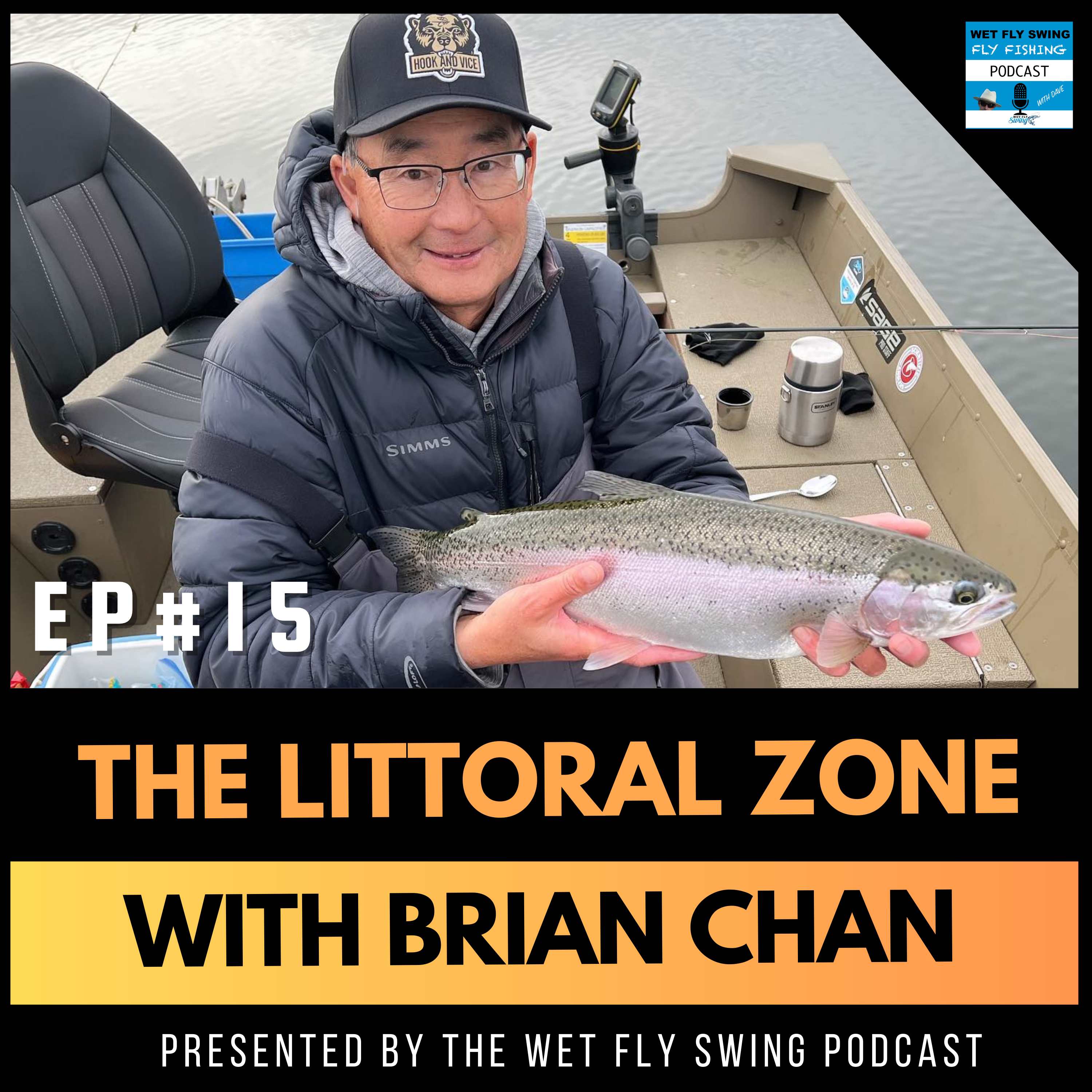
Littoral Zone #15 | Seasons of a Lake with Brian Chan and Phil Rowley
from Wet Fly Swing Fly Fishing Podcast
#725 Show Notes: https://wetflyswing.com/725 Presented By: Grand Teton Fly Fishing, FishHound Expeditions, Heated Core In part one of How Lakes Work, Brian and Phil explained lake classification and the key zones we should focus on. In part two, we'll explore how lakes change throughout the seasons. Brian will break down what happens each season, how it impacts fish behavior, and where you should be fishing. Understanding these will help you know where to fish and when. The Seasons of a Lake: How They Impact Fishing Fall 06:15 - As temperatures drop, lakes go through fall turnover. This happens when surface water cools to match the temperature of deeper water. Wind aids in mixing the lake from top to bottom, spreading oxygen. The mixing stirs up debris and gases like methane. This makes conditions less ideal for fish. Fall happens in three stages: early, mid, and late. As the water gets colder, fish move into shallower areas to feed. In early fall, they stay in deeper water (15 -18 feet). By mid-fall, they move up to 10-12 feet. In late fall, they're in the shallows (5 -7 feet). https://www.youtube.com/live/pid95BqAhwY?si=i2Lb2in7OPFebdj1 How Often Do Lakes Turn Over? Lake turnover only occurs in the fall and spring, when water temperatures even out from top to bottom. But not all lakes turn over. Sometimes, lakes look murky for other reasons, like the wind stirring up sediment or the rain washing in dirty water. Brian says shallow lakes mix all year and never fully stratify. Winter 14:04 - In winter, oxygen levels drop upward from the bottom of the lake due to anaerobic decomposition occurring at the bottom. All the plants that grew during the open water season start dying since they can't photosynthesize. As they decay, they use up oxygen from the water. What causes winter kill? 17:08 - Winter kill could happen early, mid-winter, or even days before the ice comes off. As winter goes on, the oxygen-poor zone in the lake keeps growing until it reaches just below the ice. When there's not enough oxygen left, fish suffocate and die. Some lakes lose 100% of their fish, while others have partial kills where bigger fish die first. In some cases, fish survive by finding oxygen-rich spots, like areas with underground springs. Lake Aeration 19:52 - Aeration is a tool to try to prevent a winter kill, but it is not a hundred percent guarantee of bringing a lake through. To aerate a lake, it needs to be at least 25 to 30 feet in depth. There are different types of aeration: Surface-mounted aerators are the simplest type with a submersible pump hanging under a float. The pump is two to three feet below the surface, and the propeller is pulling water up to the surface and then spraying it up, so there's an exchange of oxygen that's being brought up. Surface aerators are relatively inexpensive but don't always guarantee the lake will be saved. Another typical aeration technology is to pump air from a compressor on land through some rubber hose to a diffuser anchored below a big float. The air from the hose is pushed through a micro-pored ceramic diffuser. As the tiny bubbles rise, they create a current and add oxygen to the water. Aeration is more of a last-resort effort to slow down lakes' natural aging process, known as eutrophication. Spring 26:26 - When the ice melts off a lake, the water doesn't mix right away. The top layer is colder, while the deeper water is warmer because of plant decay over winter. Fish stay near the surface, just like they did under the ice. The surface warms over the next few weeks until it matches the bottom temperature. Then, a strong wind can mix everything up in a process called spring turnover. Summer 34:55 - In summer, lakes form a barrier called the thermocline. This is where warm water meets cold water, usually around 5 to 8 meters deep. Wind can't mix the water below it, so oxygen levels drop in deeper areas. Trouts stay just above the thermocline, where the water is cool and has enough oxygen. Show Notes: https://wetflyswing.com/725
Embed this episode
Ready to play
Littoral Zone #15 | Seasons of a Lake with Brian Chan and Phil Rowley
No transcript for this episode yet
Similar Episodes
No similar episodes found.
Similar Podcasts
No similar podcasts found.