
EPISODE · Jun 30, 2023 · 59 MIN
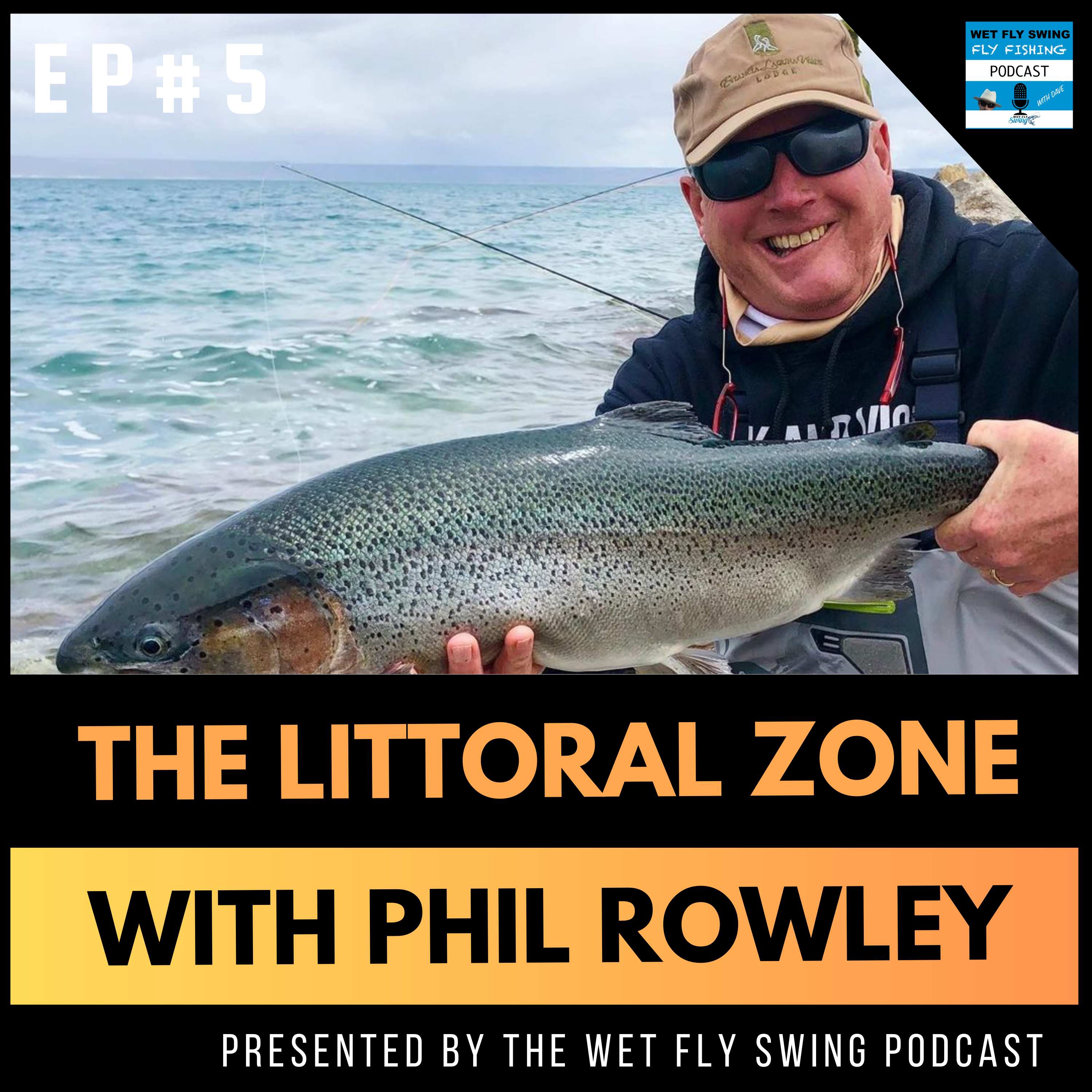
Littoral Zone #5: Making Sense of Stillwater Fly Lines with Phil Rowley
from Wet Fly Swing Fly Fishing Podcast
Show Notes: https://wetflyswing.com/469 Presented By: Daiichi, Trxstle, Mavrk Fly Fishing, Bearvault Sponsors: https://wetflyswing.com/sponsors Today we're kicking off with Part 1 of an exciting two-part series focusing on stillwater fly lines. We're going to get an understanding of why you need multiple lines to be consistently successful on lakes, and we'll be taking a close look at different types of floating lines to help you make informed choices and get the most bang for your buck. Throughout this two-part series, we'll explore Phil's impressive collection of 20 stillwater fly lines, uncovering the secrets behind each line's purpose and functionality. Phil will also guide us through selecting the three fly lines you should consider having with you at all times. Stillwater Fly Lines Show Notes with Phil Rowley 04:12 - When it comes to river and stream fishing, an excellent floating line will last you a long time and allow you to present your fly using various techniques. But the multitude of available fly lines can be overwhelming and intimidating when it comes to lakes. 07:25 - Phil carries over 20 fly lines in his kit bag because he likes to be prepared for different fishing situations. 09:07 - Some people think the only way stillwater fly fishermen fish lakes is with a strike indicator and a floating line. Phil says it is a deadly presentation technique he uses all the time, but it is NOT the only way to catch fish when fishing lakes. Factors to Consider When Choosing a Fly Line 10:19 - Wind is an essential factor, and a weight-forward line helps manage the wind and achieve longer casts to cover more water and increase the chances of catching fish. 11:13 - When Phil first started, double taper lines were popular. It provided a more delicate presentation when fishing to surface-feeding fish, particularly in rivers and streams, but you also had to cast a lot to get that line speed built up to cover any distance. A weight forward line has the weight concentrated in the first 30 to 40 feet, allowing for efficient casting and generating line speed. 12:41 - Another thing to consider is the depth of the water. We need lines to sink at different rates to present our flies at different depths. 13:00 - The retrieve speed is also crucial. You need to have a line that will sink slowly as well, so the sink rate of the line doesn't overpower the horizontal retrieve speed you're using to imitate what you're trying to imitate. 13:36 - Fish activity is also closely correlated with retrieve speed. When fish are active and aggressive, faster-sinking lines can be used. 14:31 - Phil also stresses the importance of being versatile, as relying on a single presentation technique can limit success. The best time to try out a new line is when fishing conditions are favorable. How Fly Lines Are Made 17:08 - Different line requirements and fishing environments influence fly line manufacturers' design. The outer coating determines its weight, buoyancy, color, and slickness, while the core of the fly line is where its strength lies. The different types are: Multifilament cores Braided monofilament cores Monofilament cores Low-stretch cores 18:40 - Stiffer cores, like monofilament cores, help provide tight loops and good line speed. Manufacturers offer a variety of lines tailored to specific fishing disciplines to ensure better enjoyment and meet the needs of anglers on the water. 22:57 - Different presentation challenges require different line profiles and tapers to be successful. For example, casting indicators and long leaders need a different line profile and taper than fishing dries, emerges, or lightly weighted nymphs. 24:22 - Besides indicators, Phil loves to fish with long leaders, known as the naked technique. 25:06 - Phil uses the RIO Elite Technical Trout line. This line has a long taper line that provides excellent turnover and delicate presentation. 24:45 - Low-stretch fly lines are less elastic than regular multifilament core lines. Low-stretch lines offer benefits during fish fights by efficiently transferring rod actions to the fish, allowing anglers to tire the fish more quickly in catch-and-release scenarios. Phil Rowley's Guide to 20 Essential Stillwater Fly Lines 30:15 - Phil Rowley discusses the use of floating lines in Stillwater fly fishing, specifically focusing on their application for indicator presentations, the naked technique, and floating lines for dries, emergers, and unweighted or lightly weighted nymphs in shallow water situations. Floating Lines for Indicators and the Naked Technique 30:53 - When looking for a line to cast an indicator or the naked technique, it is essential to have a line designed for that purpose. These lines have oversized heads and maybe one and a half to two line weights heavier to provide the necessary mass for turning over indicators and long leaders. 35:14 - Phil is a big proponent of using the roll cast when fishing with indicators. Roll casting keeps the indicator, leader, flies, and accessories close to the water, minimizing the risk of tangles until the final push and presentation of the fly. 36:10 - Color changes on fly lines aid in identifying the head section, running line, and overall casting distance, which is crucial for indicator fishing and gauging depths. Dries and Emergers 39:04 - When fishing dries, emerges, and lightly weighted nymphs in shallow water scenarios, a specific line is desired that allows for delicate presentations. Phil recommends the RIO Elite Technical Trout line. Midge Tip and Emerger Tip Fly Lines 44:15 - These are floating lines with an integrated tip section. These lines can have a clear tip section that sinks at 1.5 inches per second. Phil says these are excellent lines for fishing using the naked technique and for windy conditions. 47:30 - Phil also uses these fly lines to fish dry flies and mergers. Additionally, they can be used for a technique called the washing line. Phil says this is perhaps one of the most underrated Stillwater lines out there but one of the most valuable ones. Stillwater Fly Line Count A floating line for indicators A floating line for the naked technique A floating line for dries and emerges Three-foot midge tip sinking at an inch and a half per second Six-foot clear midge tip sinking at an inch and a half per second Three-foot hover tip sinking at one inch per second Six-foot hover tip sinking at one inch per second Show Notes: https://wetflyswing.com/469
Embed this episode
Ready to play
Littoral Zone #5: Making Sense of Stillwater Fly Lines with Phil Rowley
No transcript for this episode yet
Similar Episodes
No similar episodes found.
Similar Podcasts
No similar podcasts found.