Long said to be ‘too big to fail,’ the ocean needs a new narrative episode artwork

EPISODE · Oct 3, 2025 · 1H 7M

Long said to be ‘too big to fail,’ the ocean needs a new narrative

from Berkeley Talks

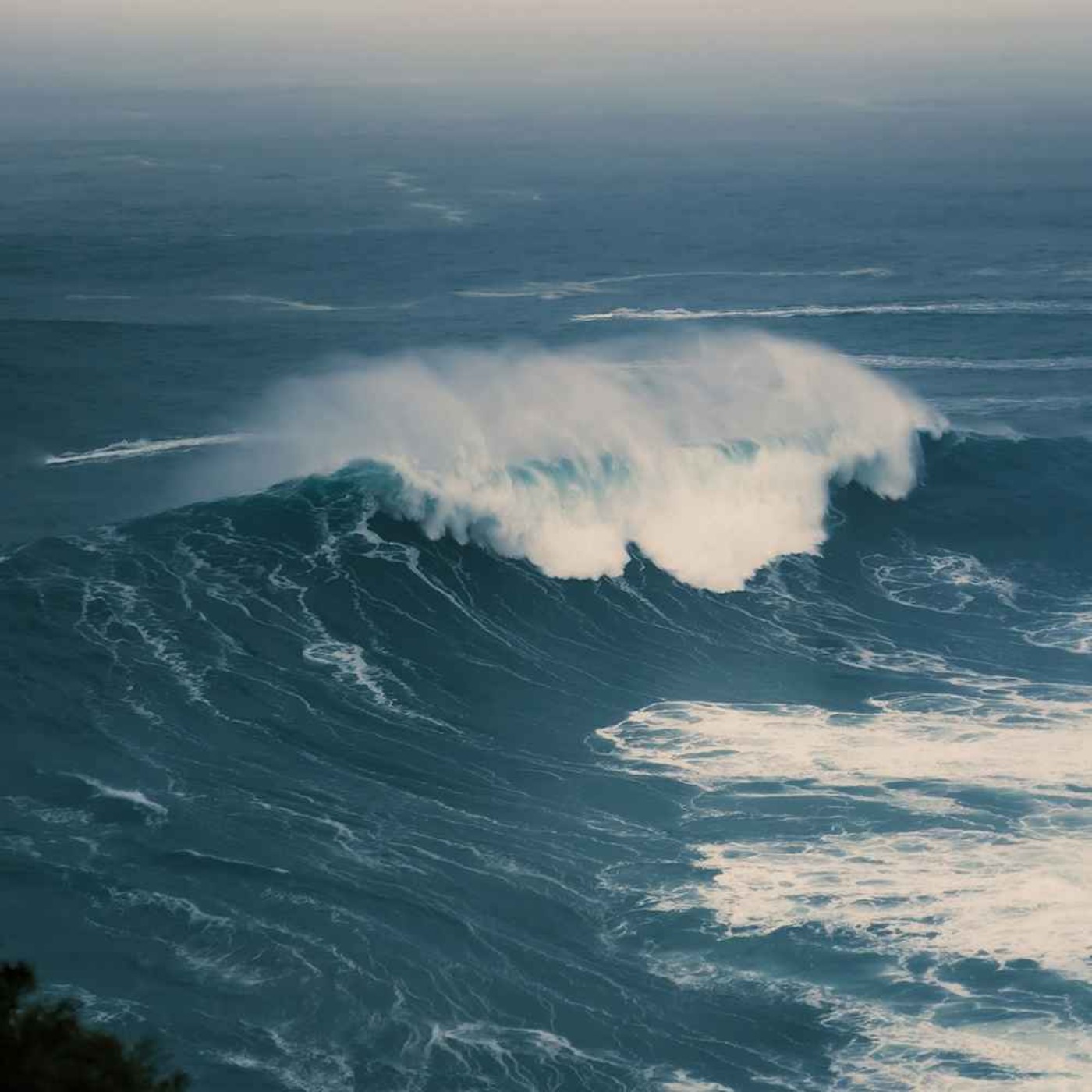
In this Berkeley Talks episode, renowned marine ecologist Jane Lubchenco discusses how a persistent narrative that the ocean is “too big to fail” has led to its degradation. While many now believe its problems are “too big to fix,” Lubchenco explains why we need to embrace a new narrative: That it’s too central to our future to ignore.“There is a historic narrative about the ocean, one that has framed the way people have talked about the ocean and have treated the ocean for almost all of human history,” Lubchenko told the audience at a UC Berkeley event in March. “The ocean, for thousands and thousands of years, was seen as so immense, so endlessly bountiful that people thought it must be infinitely resilient and impossible to deplete or disrupt.”But now, she said, the impossible has happened — “it’s depleted, it’s disrupted, it’s polluted, it’s warmer, it’s more acidic, it’s deoxygenated" — and we need to create a new narrative, one that acknowledges that a healthy ocean is central to a just and prosperous future on Earth. While she admits there are “huge challenges,” Lubchenco stresses that there are solutions that already exist that can be scaled up, like enabling sustainable aquaculture, reforming fisheries management, employing nature-based blue carbon ecosystems and creating and strengthening marine protected areas.“This ocean that we have, that connects us all, that feeds us all, is at the center of climate change solutions, health solutions, food security, recreational opportunities,” she said. “This is really all one ocean. It is possible to use it without using it up. We're not there yet. But given what I've said, it's not impossible. And I think that these findings and these actions and these results are leading to the emergence of a new narrative for the ocean.”Lubchenco spoke at Berkeley on March 13, 2025, as part of the Martha Charles M. and Martha Hitchcock Lectures series. This lecture was one of two given by Lubchenco for the series, together titled “Agency, Urgency, and Hope: Science and Scientists Serving Society.” Watch the event on the UC Berkeley Graduate Lectures YouTube page. Lubchenco is former deputy director for climate and environment in the White House Office of Science and Technology Policy, and Wayne and Gladys Valley Professor of Marine Biology and University Distinguished Professor at Oregon State University.Listen to the episode and read the transcript on UC Berkeley News (news.berkeley.edu/podcasts/berkeley-talks).Photo by Daniel J. Schwarz for Unsplash.Music by HoliznaCC0. Hosted on Acast. See acast.com/privacy for more information.

In this Berkeley Talks episode, renowned marine ecologist Jane Lubchenco discusses how a persistent narrative that the ocean is “too big to fail” has led to its degradation. While many now believe its problems are “too big to fix,” Lubchenco explains why we need to embrace a new narrative: That it’s too central to our future to ignore.“There is a historic narrative about the ocean, one that has framed the way people have talked about the ocean and have treated the ocean for almost all of human history,” Lubchenko told the audience at a UC Berkeley event in March. “The ocean, for thousands and thousands of years, was seen as so immense, so endlessly bountiful that people thought it must be infinitely resilient and impossible to deplete or disrupt.”But now, she said, the impossible has happened — “it’s depleted, it’s disrupted, it’s polluted, it’s warmer, it’s more acidic, it’s deoxygenated" — and we need to create a new narrative, one that acknowledges that a healthy ocean is central to a just and prosperous future on Earth. While she admits there are “huge challenges,” Lubchenco stresses that there are solutions that already exist that can be scaled up, like enabling sustainable aquaculture, reforming fisheries management, employing nature-based blue carbon ecosystems and creating and strengthening marine protected areas.“This ocean that we have, that connects us all, that feeds us all, is at the center of climate change solutions, health solutions, food security, recreational opportunities,” she said. “This is really all one ocean. It is possible to use it without using it up. We're not there yet. But given what I've said, it's not impossible. And I think that these findings and these actions and these results are leading to the emergence of a new narrative for the ocean.”Lubchenco spoke at Berkeley on March 13, 2025, as part of the Martha Charles M. and Martha Hitchcock Lectures series. This lecture was one of two given by Lubchenco for the series, together titled “Agency, Urgency, and Hope: Science and Scientists Serving Society.” Watch the event on the UC Berkeley Graduate Lectures YouTube page. Lubchenco is former deputy director for climate and environment in the White House Office of Science and Technology Policy, and Wayne and Gladys Valley Professor of Marine Biology and University Distinguished Professor at Oregon State University.Listen to the episode and read the transcript on UC Berkeley News (news.berkeley.edu/podcasts/berkeley-talks).Photo by Daniel J. Schwarz for Unsplash.Music by HoliznaCC0. Hosted on Acast. See acast.com/privacy for more information.

NOW PLAYING

Long said to be ‘too big to fail,’ the ocean needs a new narrative

0:00 1:07:25

No transcript for this episode yet

We transcribe on demand. Request one and we'll notify you when it's ready — usually under 10 minutes.

Carnivores Don't Get Sunburn - Carnivore Diet Talks Carnivores Don't Get Sunburn - Carnivore Diet Talks Welcome to “Carnivores Don’t Get Sunburn,” where we have fun and explore the carnivore diet and its transformative power. Join us as we uncover real stories from individuals who have thrived on this diet, defying convention and embracing optimal health. Plus, stay tuned for our upcoming documentary featuring diverse carnivores overcoming health challenges. Learn more at www.carnivoredietdocumentary.com.Excitingly, we’re working on an upcoming documentary where we’ll feature carnivores from various walks of life, conquering diverse health challenges. Join us on this journey and learn more at www.carnivoredietdocumentary.com.Join us in uncovering the power of the carnivore diet. Prepare to be inspired, informed, and empowered to embrace optimal health and well-being.Welcome to “Carnivores Don’t Get Sunburn: Unveiling Real Stories of the Carnivore Diet.” Stay tuned for our upcoming documentary. Discover how this lifestyle can transform lives. Learn more at www.carnivoredietdocumentary.com IT IS WHAT IT IS with SHALLZ - SHALLY ZOMORODI Shally Zomorodi What?  "It is what it is" with ShallZ – Shally ZomorodiWhen? WeeklyHow long? 35 minutesEvery week, Mother of 4, wife, morning TV news anchor and ultimate hostess, Shally Zomorodi talks about life - its up's and downs and how to stay on track in her weekly podcast, ‘It is what it is.’  Known for her high energy, infectious smile and ability to see the cup as half full Shally talks about all things in life and how to work through its challenges. From parenting, marriage, friendships, current events to how to smile when it just seems impossible ‘It is what it is’ is the perfect podcast to help inspire you to dance through the rain. Tracking Nuclear Weapons Programs Center for Strategic and International Studies The CSIS Proliferation Prevention Program talks to experts about transparency and nuclear weapons. Cover Stories with Chess Life US Chess Chess Life Editor John Hartmann talks to the authors of each month's Chess Life cover story.

Frequently Asked Questions

How long is this episode of Berkeley Talks?

This episode is 1 hour and 7 minutes long.

When was this Berkeley Talks episode published?

This episode was published on October 3, 2025.

What is this episode about?

In this Berkeley Talks episode, renowned marine ecologist Jane Lubchenco discusses how a persistent narrative that the ocean is “too big to fail” has led to its degradation. While many now believe its problems are “too big to fix,” Lubchenco...

Can I download this Berkeley Talks episode?

Yes, you can download this episode by clicking the download button on the episode player, or subscribe to the podcast in your preferred podcast app for automatic downloads.
URL copied to clipboard!