Luxury Beliefs
from Lean Out with Tara Henley Hosted by Tara Henley
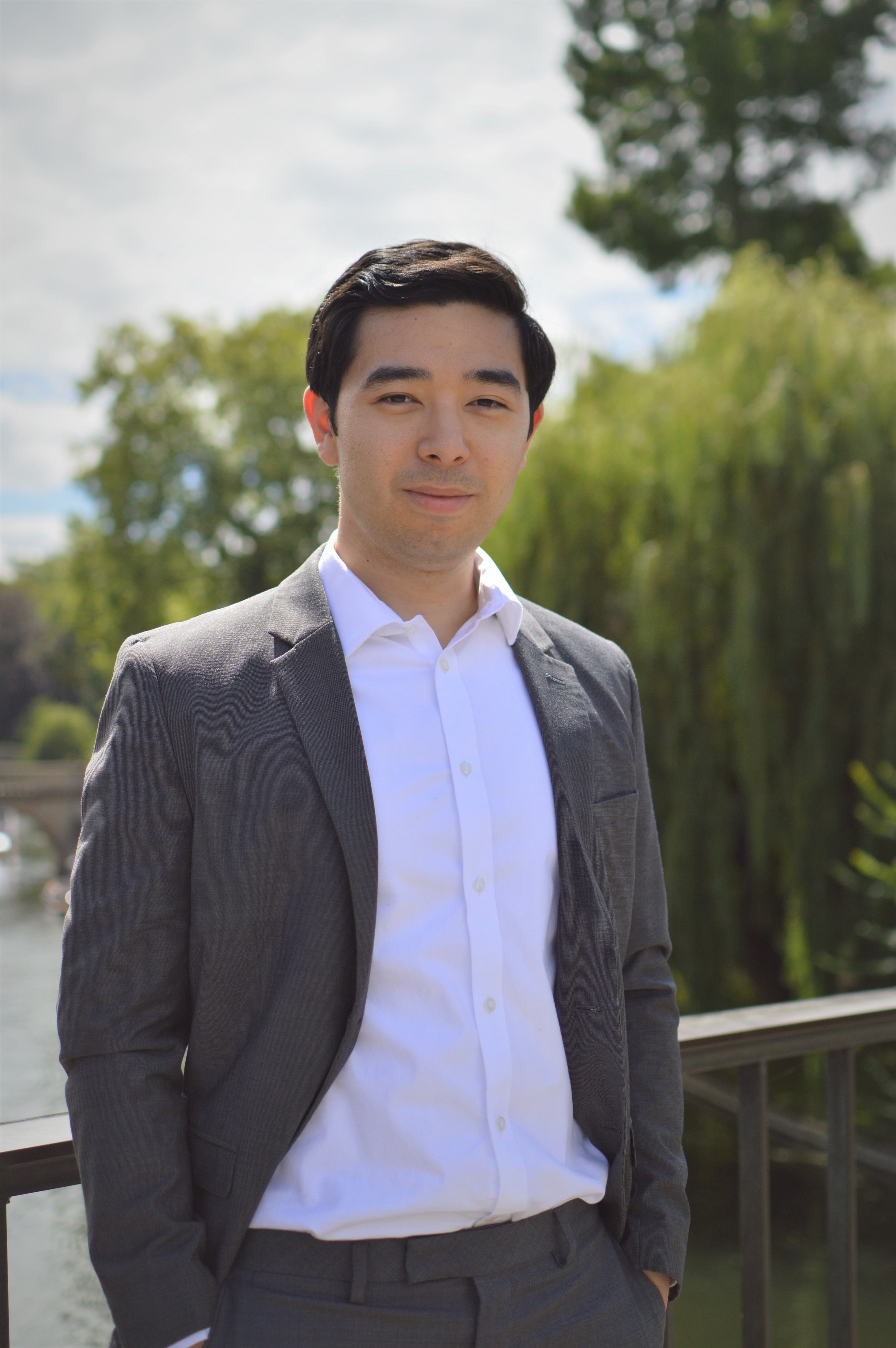
In the fall of 2015, my guest on today’s podcast had just arrived at Yale. He was an Air Force veteran and a former foster child. So, when a crisis erupted over campus “safety” and emails about Halloween costumes, he was a bit perplexed — and it became a formative moment in his academic career. Rob Henderson is a PhD student in Psychology at the University of Cambridge, and a rising academic star. He writes a popular newsletter on human nature, psychology, and social class at Substack, and has been published in The New York Times and The Wall Street Journal. He’s also just written his first book, out later this year. But he’s perhaps best known for coining the term luxury beliefs. Rob Henderson is here to talk about these luxury beliefs, as well as the sex recession and the state of the mating game — today on Lean Out. TH: Rob, welcome to Lean Out. RH: Thanks, Tara. It’s great to be here. TH: I’m excited to speak with you about your concept of luxury beliefs, which I discovered about a year ago. It’s one of the most helpful ideas I’ve come across for understanding the moment that we’re in. But before we get to that, I’d like to talk a bit about your background, and how it’s informed your thinking and your scholarship. Give us a snapshot of your backstory. RH: Right now, I’m in my final year of my PhD, here at Cambridge in England. Before this, I did my undergrad at Yale studying psychology. But before I entered these universities, my life was a lot different. I was born into poverty. My mother was addicted to drugs. I never knew my father and neither did she. As a result of my mother’s addiction, I was placed into foster care when I was three years old. We were in Los Angeles. I bounced around different foster homes, until, a couple months before my eighth birthday, I was adopted by a family. We settled in a dusty working-class town in Northern California called Red Bluff. My adoptive father was a truck driver, and my adoptive mother was an assistant social worker. I had a mother and a father and my adoptive sister. So, I had this stable family for a couple of years. But then my adoptive parents divorced and my adoptive father, who was angry at my adoptive mother for leaving him, subsequently severed ties with me as a way to get revenge on her. This was really heartbreaking for me. We moved into a duplex in this rundown part of Red Bluff, and I would watch my sister go to stay with her dad every other week, and I couldn’t go. This was really hard. So from the point I was nine, I was getting involved in all kinds of mischief and trouble with my friends. I was smoking weed, smoking cigarettes, taking pills. I wrote a story for The New York Post about how my friends and I set one of our friend's houses on fire. Vandalizing buildings, fighting — it got really bad. And then later, once we got a little bit older, drinking and driving, and all kinds of recklessness. There’s a lot more to this story, but I’ll fast forward a bit. When I was 17, I was about to graduate from high school, and I knew I wasn’t going anywhere in my life. I was seeing the trajectory that I was on was not good. On the advice of a couple of different people, including one of my high school teachers, I decided to enlist. I joined the Air Force and spent a few years serving. That helped me to redirect my life trajectory. That’s how I ended up going to college on the G.I. Bill and landing where I am today. That’s the very short version of my life. TH: It’s quite a story, and I know you are writing a book about it … I want to talk about the moment that you arrived at Yale. It was 2015; the tide was just starting to turn on elite campuses. There were explosive protests that fall over the Erika Christakis Halloween email. Tell people what that controversy was about and how you digested that — given the story that you just told us . RH: I mean, it was bewildering. I was discharged from the military in August. I started class at Yale my first semester in September. And then in October, that infamous Halloween email came out. The email sparked this very intense student eruption, and all these protests, and the calling for Erika Christakis to be fired, and calling her a bigot and a racist. And how the university was somehow responsible for these students feeling unsafe. I was just totally confused by all of it. I couldn’t understand how these students — many or most of whom were affluent, from well-to-do families — they said that this email made them feel unsafe, or that it put them in danger, or harmed them in some way. Words like danger and safety, that just meant something different to me when I was living in foster homes, and when I was in the military. It was confusing to me. I would ask questions about what was so offensive about this email and students would respond with vitriol, just for the fact that I would even ask the question. Even when I would explain my background, they would just shut down; they wouldn’t accept that someone couldn’t understand the moral transgression. There was one female student who said I was too privileged to understand why that email was so hurtful. Her family is from very wealthy zip code in the U.S. She went to a very expensive private school. It took me a while to understand the intellectual acrobatics involved in her saying something like that. At the time, I just walked away confused. The whole experience was perplexing for me, and it left a bad taste in my mouth. That was my introduction to elite campus culture, and it has lingered ever since. It was by far the most formative experience I had at Yale — more than any classes, or any readings, or any other interactions. TH: One of the things I find bizarre, watching this Great Awokening unfold, is that, from a class perspective, you see the complete erasure of the workers in elite spaces. RH: Yale is in New Haven, which is a very poor, disproportionately Black city. The students didn’t seem to care at all about what was going on outside of the student body and the faculty. When it came to the workers on campus, they were just totally overlooked. And then off campus too. So, I had an apartment in downtown New Haven, and I’d walk to and from my apartment to class. I had to walk through a lot of poverty and addiction and homelessness and mental illness. It was very sobering. I’d walk through and have memories of living in a car with my mom when I was a little kid and watching her shoot up and get high. Then I’d see the university, and how fortunate the inhabitants were. Yet they all seemed to feel put upon in some way. Small things irritated me, like the student income contribution; some of them apparently had to work for 10 hours a week, in a library or helping to serve food in a dining hall. Most college students have to work. My sister went to college in California, and she worked part-time in a coffee shop. It never occurred to me, or to her, that this was a problem. If you were to ask [these students] point blank, “Is there anything wrong with doing this kind of work? Is it respectable work?” They would say, “Of course.” But the impression I got was that they felt this intense humiliation at having to do this kind of work themselves. TH: I want to ask you about moving between these two worlds. I’ve been a journalist 20 years and I’ve interviewed a lot of people at this point. Very few people have that experience of moving between these two poles. I’m very curious about that experience — and how it’s shaped you. RH: It’s interesting. A lot of social scientists study working class communities as though they are anthropologists, going into this other world and trying to understand the culture and habits. They seldom turn those tools of analysis around on themselves … I was a student on campus, and I would observe these things and recognize, “Oh yeah, there’s different vocabulary here.” It was a difficult adjustment at first. My second semester, I tried to join this humour magazine on campus, and we were brainstorming he… This is a public episode. If you would like to discuss this with other subscribers or get access to bonus episodes, visit tarahenley.substack.com
Embed this episode
No transcript yet.