
EPISODE · Apr 15, 2021 · 5 MIN
Lynn Jurich of SunRun Pt. 1: Origin
from The Swyx Mixtape · host Swyx
Listen to Part 2: Growth hereLynn Jurich started her solar energy company in the depths of the 2007-2008 financial crisis, as a 26 year old with no prior experience in the industry. Now it is a $10b giant beating Elon Musk's SolarCity at its own game.Audio source: https://socapglobal.com/2019/02/ep-17-lynn-jurich-ceo-of-sunrun/ (5 mins in)TranscriptNina Bernardin: [00:00:00] What are some of the very first steps that you guys took? I mean, starting like a coffee company, I can like understand like basic elements of starting a coffee company, but starting a solar company...? Lynn Jurich: [00:00:12] Yeah. Well, so, so I used a lot of my analytical skills and experience to, to start to learn more quickly.And the first thing I did was look at a network of Stanford alumni who were in the energy industry and just started calling them and interviewing them and asking questions about, Hey, how viable is solar? Is it in your plan? I was talking to utility executives, anybody who would really take my phone call out of the Stanford alumni database and what I heard.Very clearly from everybody was, Oh, it'll never work. There's, yep. Solar's getting cheaper, it's getting better. But there's so many sophisticated people doing this that, be careful, implying that I wasn't sophisticated or that I was young and naive or inexperienced and energy.And that it wouldn't work, but I was 26 probably, but they validated to me that there was a business opportunity. It was just, the commentary was very much like, Oh no, but it's not for you. So that also kind of gets me going, gets me motivated a little bit. And so I did that. And then we started talking to potential customers.So some of the early customers that day w solar, where universities were, other public schools governments. Some businesses, some forward thinking businesses. So we just started calling customers, trying to understand what they wanted, what their needs were. And so it was really a lot of, I, because it's, it was a nascent industry, there wasn't a lot of research to do.It was very first person just kind of calling around anybody who would take your phone call. So that's really how we got started. so what we figured out fairly quickly was there's a lot of interest in solar, but there was a lot of complexity to it and there was a high upfront cost.And so the model that we came up with was, Hey, people will switch to this. If you can just make it easy. And if you can just turn it into a monthly bill, like what they're used to paying for energy. They'll adopt it. So we came up with a model where we would pay for the installation of the solar panels and just sign customers up to long-term contracts to buy the electricity for us.And there were some early subsidies for it. So we could actually, even though solar was fairly expensive 10 years ago, compared to where it is now we could sell electricity. Just for a slight premium versus what the utility company was selling it for, even with zero upfront cost for customers.But we had to get convinced consumers to sign up for a long-term contract, because the business model from Sunrun's perspective was we had to pay $50,000 to install a system on a homeowner's house. Upfront. So the only way to recover that over time, if you're only billing a customer $150 a month is to get them to sign a long-term contract.So we had to launch the business by convincing people, Hey, work with this startup sign a 20 year contract. That's what we are. And still today, our customers signed 20 year contracts. To buy the electricity for us. And and so we had to go out and convince a number of customers to do that, that as you might imagine, was quite expensive because that $50,000 a pop you're putting the cash out for that with these 20 year contracts, that you're going to get the money back over time, but you have to find a way to finance it.And so then we had to go to banks to, to figure out how we could pool enough of our home owners together. To go to a bank to say, Hey, can you give us a million or so dollars upfront? We're going to in return pledge you these, 200 homeowners their cash flows for the next 20 years. So it's a very, it was a financing model.And so what we had to do, which was in retrospect, quite risky, was spent all of our own money upfront buying all these systems. So we funded the company ourselves about $3 million. To get started, which was, as you might imagine, a lot of our savings and didn't pay ourselves for quite a long time. And and then we're able to go out and raise capital from people that we had worked with before venture capitalist.So we raised $7 million from venture capital firms. But still we were spending all of that equity capital to buy these projects. We did not have the project financing lined up. So we didn't have that bank financing lined up that was going to help us make the upfront cost, and pledge the customer cash flows to pay back the bank.So we had to make a bet that we could get enough consumers to do that. And that we could go to a bank and find someone to give us capital in order to make it a more sustainable business. And that was in 2007. And unfortunately right when we had spent millions and millions of dollars, the market crash and it was really.Quite stressed, quite stressful, quite horrible time. But we were able to finally convince a bank who was not as exposed to the subprime crisis that, we all remember from 2008 where they still had capital available to even invest. And we were able to convince us bank to give us $40 million which kept us going for, the next year through the crisis.And we developed track record and we prove that consumers wanted this, that people were paying their bills that, there was a deep market for this. And then from that point forward, we've been able to steadily attract the capital to finance the business. And now we're up to raising some more than $3 billion worth of that capital over the last 10 years.
Embed this episode
What this episode covers
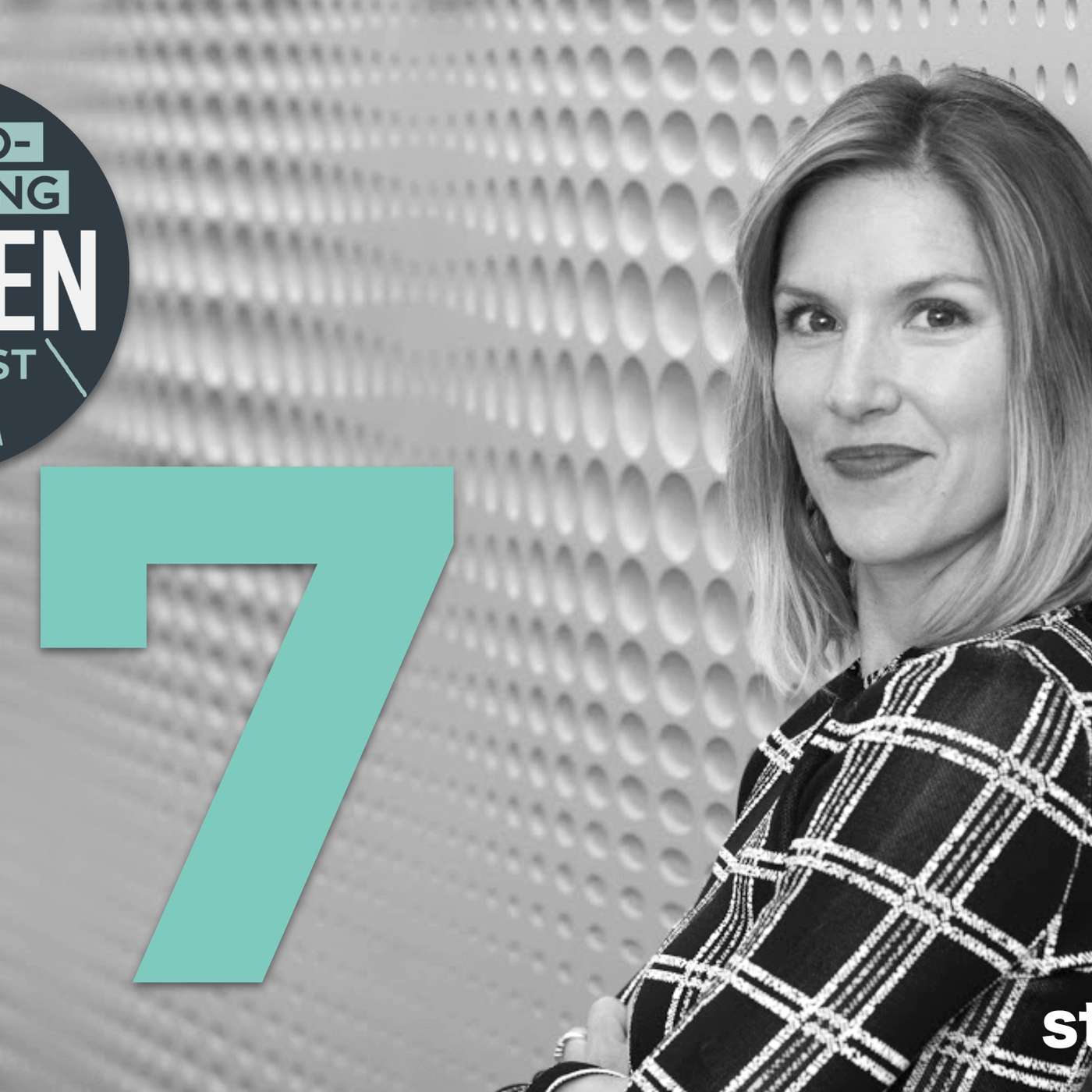
Lynn Jurich, CEO of SunRun, told her story on the World Changing Women podcast and it is mindblowing.
NOW PLAYING
Lynn Jurich of SunRun Pt. 1: Origin
No transcript for this episode yet
Similar Episodes
No similar episodes found.
Similar Podcasts
No similar podcasts found.