
Oh wait, you're listening to RadioLab from WNYC. Hey, I'm Jan Appomrod. I'm Robert Krollich. This is RadioLab today.
It's man versus machine. It's a smackdown between technology and humans, of course. It's machines versus man. Yes.
Where like the machines maybe have minds in the humans. Well, maybe mimic machines. Yeah. And first up, actually, I want to tell you about a band that I discovered.
I didn't just discover them. I discovered them a while ago. But it still remains, actually, one of the coolest things I've heard in years. Actually, you know this band.
I mean, maybe you don't know that you know them. But we've used them in a few shows. Remember the piece we did in the bliss show about the perfect snowflake? Yes.
We used them there. Oh. Remember the story about the artists who weaponized his own blood? Yes, pardon me.
We used them there too. So in a subtle way, I have already been exposed to that. That's what I'm saying. Although I'm quite certain you will hate their music.
I could be wrong about that. Well, I will be as generous as I know possibly how to be. The band is called Dawn of MIDI. Dawn of what?
Of MIDI. Am IDI? Do you know what MIDI is? No.
It's sort of like a computer language for music. Oh, the Dawn of MIDI. It's one of those half and halfs. Dawn suggests something beautiful and sort of movie-like.
MIDI, technological card, gold. Yeah, that's actually not a bad place to start. Okay, so the band is three guys. The cautious Rani.
He plays the bass. Amino Belliani plays the piano. A cosum, knock the plays drums. They met in college at CalArts.
Additionally, though, their partnership was not about music. It was about tennis. It began on the tennis court. On the tennis court.
Yeah. It was funny, actually, because we would play late at night. That's a cosum, like stolen, the key and kept it or something. And one night we were there at 3AM.
And I think we were really good. I think we were really good at that. Yeah, it was funny, actually, because we would play late at night. That's the cost, the bass player?
Cosum, like, stolen, the key and kept it or something. And one night we were there at 3AM. And I think we were really drunk. And security showed up.
And he saw us. They were pounding the ball back and forth. Yelling. And when he saw the intensity which we were involved in this match, he was like, you know, you guys should continue.
And he left. And that intensity sort of translated into the music that they started to play. They would take it really seriously. Like, what they would do is they'd get together.
We'd go to these classrooms that had no windows and turn out all the lights. And they would play these long, crazy sets in pitch black darkness. Darkness it was completely totally improvised like before they started they would have no idea what key they were gonna play in no No idea what tempo no long they were gonna go no would you at least figure out who's gonna play first? No, I mean they just start cold cold, but it would end up sort of like that 3 a.m.
Tennis match really intense rolling Rawlicking improvisation kind of a tonal a tonal boy. I mean, I know I would just try not to use that word It's really I like it. It's really interesting stuff and like I said we use it in the snowflake story, but that's not but that Style of music is not actually what I'm gonna present you know It's what they do next that I find totally fascinating to set that up as they're out on tour doing this free improvisational thing They're also listening to different kinds of music like they were listening to electronic music as well Stuff like a fixed win also one of them gets really deep into trans music not techno trans but a lot of music from Africa West African music as well as music from Morocco And these are musical traditions that have a totally different approach to rhythm which we can talk about in a second But they're listening to all this stuff and it begins to somehow seep in they begin to gradually put a little bit of it into Their sets and to make a long story short over the course of two years. It was a very incremental and slow process They pieced together this style of music that was one that is 180 degrees from what they were just doing and unlike anything I've ever heard and the only way I can describe it is it's sort of like ancient folk music filtered through highly obsessive computers That actually aren't computers with people.
What does that mean? Here? I'm gonna play you some okay? Okay?
But this one let's just wait let's just mute this All right here comes Keep an open mind. Okay. This is how it starts with a baseline. Is it gonna develop or are we gonna?
It is it is but just slowly just wait Hear that right this pianist. He's playing it with his left hand on the strings So he's kind of muting it create a harmonic. I know a pot of whales. It would go crazy for this Look, okay.
You hear the drums are coming here that yes. I don't know about you. I don't see maybe I do know about you But for me right about now, I'm getting into a deep trance. Oh, let's let's just say anything for a minute Let's see what happens.
Yeah, listen to that. They're not playing a machine. They're playing traditional. No, this is all live They're playing real instruments.
It's all performed. It's acoustic. Oh, it doesn't sound acoustic I'm so addicted to this. Just listen some more see just such a slowly a little bit bit by bit And it just keeps doing that for 45 minutes.
I mean it has broken into tracks But it's really just one long thing. I think that in seismic laboratories all over the world where geologists gather people have to listen to impending earthquakes This is gonna be like enormous in a crawl which household too. I imagine it's small small shift tiny tiny shift Come on. You don't find that groovy at all.
Yeah, no, I do action. I do so these guys basically went from like free improv No rules to becoming like human machines. It's sort of like wishing to be an element in a very finely made Swiss watch except now remove the watch who I think that that's something is going on in the world right now It's a cache again the last 10 to 15 years You see in a lot of fields right now people doing things quote-unquote in an analog way that 10 years ago would have been assumed We're absolutely like impossible without the aid of technology You see it from big wave surfers who found out they could write huge waves if they have jet skis to pull them into these Waves and now saying hey wait a minute We can catch these with our arms again, but the jet ski needed to be there to show them that this was impossible And you see it with this this French beatboxer video online He's doing something that just sounds impossible It's unbelievable and it's like something that the kind of stuff that a fax was programming for his music But this guy's doing it with his mouth and it's like the computers showed us a world of possibility And now we're sort of almost realizing that that world was inherent to us and not the machine Huh, so you're talking about like a reclaiming Yeah, absolutely And it was like almost like we didn't know the how far the biotech of our minds could go until the machine sort of showed us that hey Wait a minute like this is just coming from you guys You know what it is is if if you just Let it do what it's doing and have known known in the usual expectations of resolution or like that usual arc It's not going to tell you a story. It's just going to keep you company.
That's what's happening here Yeah, I mean I think what it's trying to do is to get you into a different state of mind Like a different state of time that that experience of time that is non-narrative We're sort of existing in time not in a sort of regular story Where everything leads to the next thing beginning, middle and end something else What I mean what I often talk about is that you have quantum states of time And I think what he means what I take to mean is something very ancient in a way Like you know how I listen I mentioned they're listening to West African and Moroccan trans music what you have and a lot of that music Are these vertical stacks of rhythms like almost multiple time flows existing simultaneously in the same moment? And if you listen to this music over here right now, you try and pick out what's the bass doing what's the drums doing what's the piano doing? You will hear that they're actually Almost not fitting together like they're playing different beats Pulling each other in some sense if I listen in and try and pick out all the lines I get lost in the in the intricacies of their rhythms if I listen out I can just not my head to it for 45 minutes, but if I listen in I'm like Jesus God, what is that bass player doing? I have no idea what beat he's on That's interesting to me the way the patterns on the interior are just kind of mess with your ear Because they also be on their own cycle falling in and out of phase, but then when you pull out and she listen to the whole thing together You're like, oh, yeah, I can nod my head to this.
I can not do this So actually I don't know if you are familiar with Mark Rothko's paintings Those like sort of squares of color that sit one on top of the other I have the same I'll go there's a rock of chapel in yeah One of the most amazing places because he would often take a sponge and then dip it in the color and then very lightly dead Like over and over and over so it's very very layered and when I Look closely I see patterns within patterns within patterns get feelings from the patterns I myself sort of telling stories about the feelings that I'm having then I'll pull myself out and I'll see three rather richly tonal blocks of color Big picture in the little picture. Yeah, it's the same thing. You're describing Yeah, I like that phrase feelings from the patterns that makes sense to me and these patterns to me They feel kind of ancient and new at the same time super mechanical and yet deeply human at the same time And they've quite resolved some reason now in case not much more to say you can find out more about dawn of MIDI on our website Radio Lab dot org their albums called dysnomia It's definitely my favorite thing in years up next we go to a place where machines are in charge and humans Hmm, they aren't they have to do their bidding. They have to do their bidding.
Yeah, stay tuned humans This is Amanda Darby calling from Rockville, Maryland Radio Lab is supported in part by the Alfred P. Sloan Foundation enhancing public understanding of science and technology in the modern world more information about Sloan at www.slown.org Hi, I'm Morgan Sun who's a puzzle to us from KQD where every week we reveal how the online world collides with everyday life You don't know what's true or not because you don't know if AI was involved in it So my first reaction was cah-hah This is so funny and my next reaction was wait a minute I'm a journalist is this real and I think we will see it to a streamer president maybe within our last time You can find closed all tabs wherever you listen to podcasts Hey, I'm Chad. I'm Rod I'm Robert Krollich today We are once again pitting man against a machine yeah, and in our last segment we heard a band who figured out how to mimic what machines Do in some really funky human ways and now we're gonna go to a place where humans don't mimic machines instead They're they're run by machines. The machines are the total bosses of them Yes, and just a word of warning this segment contains some some strong language here and there and some discussion of products that not suitable for children Yeah, just want you to know that exactly and it comes from producer Pat Walters.
Okay, let me make sure that's recording You're gonna tell me something I think I'm gonna tell you about diapers. Okay, so we order from diapers calm all the time You know these kids that would be called all diapers calm. You guys don't know diapers calm That's an actual name of the website. Oh my god It's like such a part of our lives.
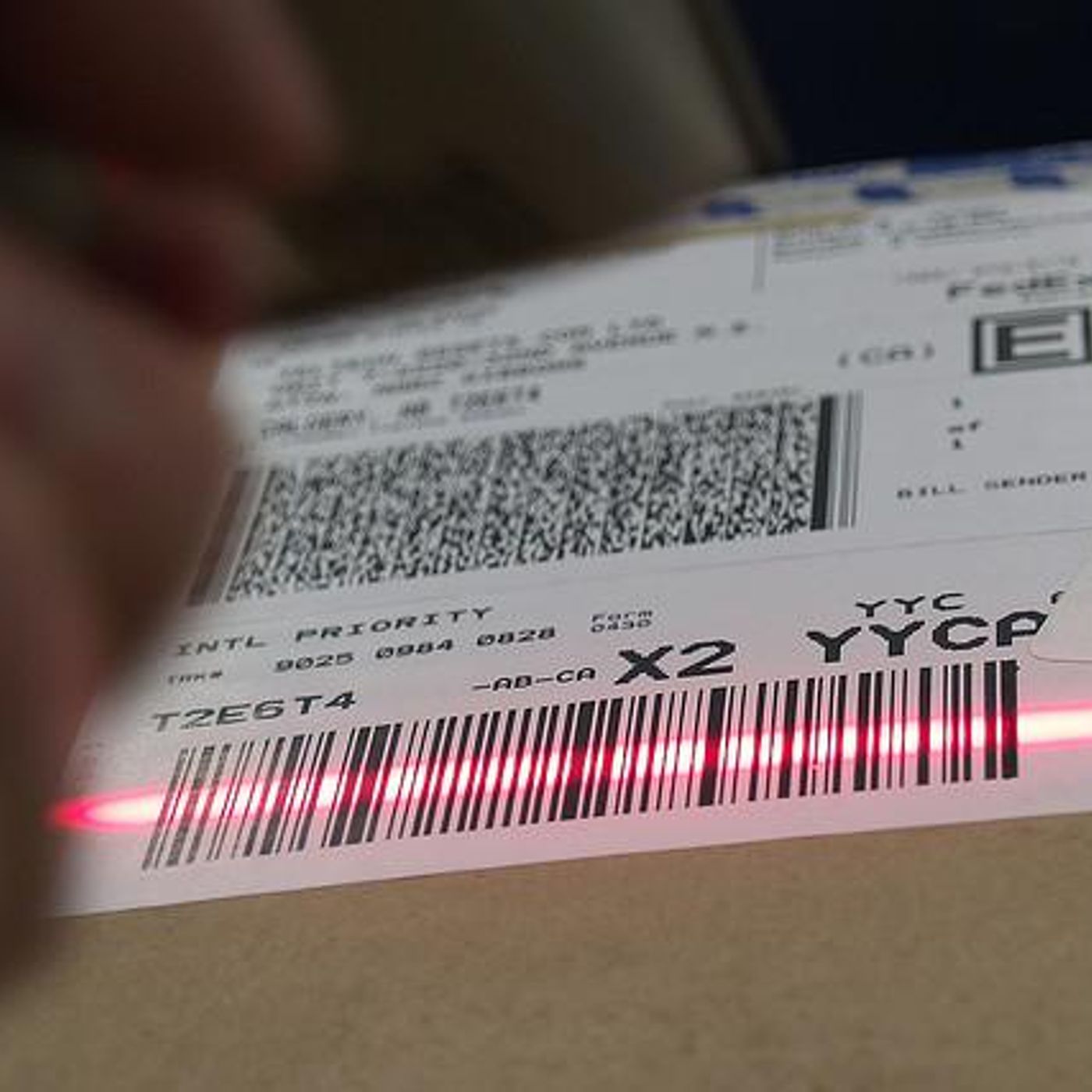
I just figure it would be like yeah I mean it's like all the crap that you don't want to have to leave the house to get you know my paper towels Okay, oh god, I have to get on the street to get people else wait you can get it from diapers calm So we don't know how would you get paper towels delivered promptly I tell you this is exactly what this is exactly crux the story It's a simple story and then we would order these giant boxes of shit from diapers calm And they would appear second day three days later and then one day Carla orders it and it appears the same day the same day Yeah And now every time that we click submit on this thing It shows up like three hours later a huge box of stuff You must be only blocks from the worldwide headquarters of diapers calm and fires I guess like if someone asked me to pick up that stuff at the corner deli would take me all day somehow It shows up like just in a few hours and I just I forget to be like what the hell happens after you hit submit It's like magic. It's so wonderful and that's the future damn it So what I know about me is I was thinking about this in a sort of passive way And this often happens things sort of converged and I ended up reading this article by a writer our producer Pat and of interviewing Yes, his name is Gabriel Mac. It's totally badass investment reporter reported from war zones and natural disasters all over the world And several years ago, he wrote a story from other Jones magazine where he actually got himself hired at one of these internet retailer warehouses They're called third-party logistics contractors or 3PLs That's what they call them in the biz and they basically handle all the goods that you order off the internet So when you order something off the internet, you're actually probably dealing with a company That's not the company you think you're dealing with and maybe you think there's robots that just make these items show up at your house Within a few hours of you ordering them, but as Gabriel come to find out a lot of the time. That's not how it works Not even close and we'll start at the beginning when you're sitting in a couch and you hit submit Order bounces off some servers and ultimately gets funneled To a warehouse just a giant warehouse if we were rounding we would say it was a million square feet So it is a million square feet like how many football fields could I fit in there or that would be a lot about 17 So just imagine like a huge airplane hanger 17 football fields long filled with people There's thousands of us and all I can put us regionally is west of the Mississippi because we can't say for legal reasons where we were Left half of the United States Yes I was hired as a picker and pickers jobs are basically to run around this cavernous warehouse and find the crap that you ordered off the internet So basically your day is you arrive at the warehouse You put all yourself in the lunchroom because you can't take anything except for the clothes on your backs into the warehouse Soon as they walk in all the pickers are handed little computers We get our little scanners You have a handheld scanner and it's on the little screens of those scanners that the orders you make sitting in your couch Actually up here it pops up like go to this section this region this shelf this unit find a Malibu Barbie Go and it tells you how many seconds that you have to get there like 15 seconds 14 13 12 and it counts down It counts down like a little Oh my gosh, and so it like pops up 15 seconds 14 13 12 Did you use make sounds fuck I'm almost positive it did can you imitate it?
Like whoop beep beep beep it's like that in case you're standing in the middle 17 football fields get 15 seconds to find the region Then scan it put it in a little plastic tote and then the plastic tote gets set on conveyor belts And they get carried away into some other magical area where people put it in boxes and send it to your house And she's done that the next item will immediately pop up and it'll say go to this section this region this unit find a dildo Let's say because there are lots and lots and lots and lots of people ordering dildos on the internet apparently and so you have 40 seconds 39 38 to make it to the dildos in it It could be a football field away you go as fast as you can find a dildo Scandal dildo beep put it in the tote next item pops up find an olive oil mister Do you remember specific names of things there were a lot of vitamins beep male enhancement pills beep lots of iPad things really Oh my god There's so many things that you can put on and around an iPad like an iPad cover beep carrying cases protective cases Beep stand that you can put your iPad on so it worked like a computer screen a handheld like iPad glove thing beep Dildos and iPad accessories are like the most popular items that I picked for sure do you ever find a dildo that goes around an iPhone? Okay, like the perfect internet thing. I'm sure it's in there though You know you don't really have time to even look at what you're doing There's just like a second where your brain is like why does this product exist? That's sort of like a whisper all the time in the background of the most part It's kind of a blur video game beep baby food beep diapers paper towels who is ordering paper towels?
Yeah, like who's the person who's doing this? And I was hired as a picker because of my youth and my fitness Which is to say that I'm not in my 70s because there were a lot of people in the place who were in their 60s and their 70s Oh, yeah, this is like old white ladies Gabriel says when he talks to people about this most of them assume the warehouse is full of like young Mexican people But in fact, he says where he worked it was mostly white people and most of them are older than him I was 32 at the 31 at the time. Well, that's why they gave me a job where you run around a lot actually on one of the consent forms He had to sign before he was hired it said that we were gonna walk 12 miles a day But going into it I was like yes picker. I was actually really excited You know you get some exercise right now my job if I'm not out like actively reporting is just sit on my ass Right and type and stuff so I was like score like you know I'm gonna do a good job And I didn't think it was gonna be my favorite thing in the world But I thought it would be interesting and challenging and I would do a good job and I was so wrong about all of those things First of all in this warehouse and again We can't say which one it is nothing was organized the way you'd expect it to be like if you're looking for a dildo It might just be in some random box.
This is like a bin full of crap thrown in with a bunch of other things You know, so there's a bunch of batteries in there and an iPad anti-glare cover and then there's 10 CD Products seem haphazardly stored next to each other and that's my design according to this guy Brad Stone I'm the author of the everything store, which is a book that looks specifically at Amazon There's actually some very sophisticated software that is governing Amazon fulfillment centers What happens is say the warehouse gets a shipment of 17 dildos in instead of taking those dildos to like the dildo section The computer will figure out how much shelf space or bin space those dildos need and where in the warehouse those bins are So I might say let me put four dildos over here and three over there the invisible hand that orchestrates the symphony That is Amazon's fulfillment center is called the mechanical sensei the mechanical sensei and it not only tracks You know where to put items it tracks what the most efficient routes are for the pickers to go through these shelves in the shortest amount of time I'd imagine you sit down and order 14 products at one time What the computer does is it will farm that order out to 14 different pickers in different parts of the warehouse and then Coordinate the timing so that each picker is grabbing the item putting on a conveyor belt in a certain order So that all the products arrive to the same box at the same moment and make sure that box is just big enough But not too big it figures out when to get those boxes on trucks and when those trucks should leave Eventually if you believe Jeff Bezos the sensei will send out fleets of tiny helicopter drones that will deliver your packages to your door step at Lightning speed no humans involved So yeah For the moment most of the time saving they're gonna get is from making the human pickers pick faster because you think about it Once the packages get on trucks the truckers are still gonna have to follow the speed limit But there's no OSHA laws about how fast you can make people work inside the warehouse And we make those people fast least in warehouse Gabriel worked in is by treating them like drones for example You're digging through the bin and you see lots of other stuff But not the thing that you're looking for so these scanners assume you're an idiot And you just aren't seeing it like you can't swear to the scanner that it's really not there So you have to scan every item in the bin to prove that it's not there So this the one time that's happened to me happened to be a bunch of times But one of the times it was like 30 individually wrapped batteries in this bin and so I have to scan every single one beep beep beep Before my scanner will let me go on but I'm not giving extra time to do that and my you know my scanner the whole time is like two one zero now it's counting the seconds that you're late three four does it go into the red or something yeah So you know exactly how late you are and you're trying to scan your stupid olive oil mister Gabriel says within the first few hours of his first Shift a supervisor walked up to him said you're only making 48% of your goal because you're supposed to be picking something like a hundred and seventy Items per hour a hundred and seventy things an hour. Yes. Wow. It was the first time in my life Because I'm an overachieving nerd from the Midwest.
I went to Catholic school You know first time in my life somebody came up to me and was like you're doing a really bad job Yeah, I was like me but the third day he says it's doing a little better It was like 50% 50% of my goal. I asked my supervisor at one point You know can I pee just like in the middle of the day and he was like of course this isn't China But it's gonna hurt your numbers. So we thought screw it You know what I'm not gonna be I'm gonna hold it till lunch the minimum shift is 10 and a half hours And in that 10 and a half hours you have 29 minutes and 59 seconds for lunch 30 minutes they told us that if it's 30 minute in one second you get docked points And if you get docked enough points you get fired especially if you're new they told me when I got hired at the temporary staffing agency They had videos about it They had people walking around telling you you cannot miss anytime or be one minute late at any point during your first week of orientation And so to sort of illustrate this point He says that during his orientation the lady leading our training says, you know take brian Two points to a guy in the back of the room brian used to work here and then his girlfriend had a baby So he missed a day and he was fired because it doesn't matter if you have doctor's notes Or baby pictures or whatever it is there are no exceptions to this rule And so brian had to go back to the temporary staffing agency go back through their application process Get hired by them clear a new drug test and go back through the training that he had mostly You know already done and now he's sitting in this group with us and the lady's like Welcome back brian, you know everybody don't end up like brian So Gabriel says when you finally make it to lunch you finally pee You just shovel food into your face while you watch your watch and occasionally in between chewing people talk and everybody is asking each other Why are you here? Which is like, you know in prison And we actually we actually fact check this because I was like the people in prison really always ask each other what they're in for Or is that just in movies?
And we fact checked it and I asked this guy who had been in federal prison He was like it's the only conversation people are having Remember the people at his table were like I got laid off I used to be an accountant I used to be a store manager I used to work in a restaurant all over the place Everybody was something else in another life Gabriel says on one of his last days he came back from work Yeah, I came home from work I took a bath trying to sort of soak out some of the soreness so that I would be prepared and ready to wake up again and Do it all over and make my numbers which I you know was still failing to make and I Was going with one of my friends and he was like how's it going and I was like They fired this guy because he had a baby and people are terrible and yeah, I cried about a little bit I hadn't realized really how mean the system was not just that it was tiring and not just that it hurt your body But that it was it was mean in every way at every turn that it possibly could be It kind of punched me in the face a little bit Hello, hello, hello, not too long after I talked to Gabriel I went home for the holidays Which just happens to be near one of the biggest Amazon warehouses on the east coast just outside allentown Pennsylvania And we should say again that Gabriel did not necessarily work at an Amazon warehouse But talking to him had gotten curious. This is a warehouse that in july of 2011 made some really big headlines Because the temperatures inside the warehouse had gotten so hot that people had started to collapse from heatstroke And rather than put in air conditioning or send people home the warehouse instead just had local paramedics wait outside and car people away And once the news broke Amazon did install air conditioners But I was curious to see if things had changed and based on people I met work here like before I got kicked out What do you do if you don't mind me asking? Your picker this woman in the parking lot told me that she'd been working as a picker for about a month You describe what it what the work is like. Well, it's it's easy for me Everybody has the old opinion but I have lost a lot of weight.
Um Like I like it. Yeah, I like what I do And when I went into the lobby of the building. Yeah, it's fantastic I met this guy who told me he was the warehouse DJ That during the holiday rush the company would move him around the different apartments depending on the community motivation Oh, yeah, these people take care of the people here. Yeah, I did karaoke shows.
We did dance contests This didn't wait like while people were at work. Yeah, they're dancing in place No, I do the Cupid shovel or or do some crazy like the chicken dancing. You know, you know, yeah, I play everything from you know Christmas songs to fun from the 70s to bachata and Metallica Bollywood music. Yeah, there's an old Indian women that were packing up boxes and stuff and then they're you know, everything Jamaican That sounds awesome.
I mean we did not have a DJ or a karaoke contest, which I would have won for the record I mean, I like karaoke more than almost anyone But that's not gonna fix the the main issue which is that they're working these people like draft horses Although that woman I talked to seems to dig it Well, not every not every person that I worked with hated it I mean there were a lot of people who made their numbers and they made their numbers every single day and there were people who made over their numbers And I don't even understand what was going on with that, but they were very matter-of-fact about it Well, maybe I was thinking this is a talent like like maybe If you try to become a lacrosse player and you're just not very speedy and you don't like physical contact that that's not a great sport for you And you should play golf. I mean I'm from the Midwest, you know, I'm hardy workstock I was I was a mover For years and years and years like when you call people and they have to come to your house and put all your crap in boxes And then load all the boxes on the trucks and then move into another place that was my job for years So I do so I mean do you order off the internet now? I mean after having done this do have you have you sworn off of it? I try I try not to order anything.
I don't actually buy that much stuff But certainly I mean, no, I'm not like ordering my paper towels off the internet if that's what you mean No, I don't know who we did that. That's ridiculous Can you imagine that I thought that it was novel that I was fulfilling an order for online paper towels at that time like That's not the reaction you would have now, and I was like what jerk Well, even when I was working in that warehouse, I was like who's doing this? But of course and I imagine this is partly why you guys are rearing us now, right? Like the only thing anybody does who doesn't have to go out into the world and work is the home and order thing Oh my god internet like I know but now it's just like everybody orders everything and it just comes I feel like we have tipped headlong into the world that we were we were looking at in the story And now that is just the world unfortunately where else do paper towels even come from people don't even know No, I know and they just come from the internet So this is Gabriel Mac and we brought him back into the studio for a bit of an update So I mean I talked to you seven years ago and obviously I did a bunch of stuff in the intro but the last Like thing like voice related thing that I did was Comes on a daily, you know, New York Times podcast in late 2017 Which was about 15 seconds before I started transitioning So and I was it so it's been three and a half years and I've been sort of in like It was like I've been in like voice hiding a little bit from being totally honest So it's like it's interesting because I was thinking about the I mean just what you were saying about Not just the story that we did but like the all these stories you've made like in books and awards And now you're this new person with a new name and actually can I stop you there?
Yeah, the new that's thing that I find people saying with some frequency, okay I'm a new person. Yeah, but I'm an old person, but I'm the old person. You're the old person Yeah, it's like becoming to me. I mean I will always be for myself here.
Although it's not in my series a rare Feeling about this transitioning isn't about becoming somebody new. It's about becoming somebody old like your old iteration that you just couldn't Embody before so no, no, okay, so that does that does makes sense But I guess I'm wondering um Because you've done you have all this work that you created before you transitioned I mean you won all these awards and you had these like amazing magazine features But that all had a different name Associated with them. So do you do you think about having to reclaim that work in some way because it was done under a different name? I mean as this conversation totally proves like that work lives Like it still lives and it still reads and it gets reissued or rediscovered all the time So it's not like it's just sitting somewhere in a vault in which case I'd be like whatever, you know, but it doesn't it's it's still alive and this actually this Piece that we're talking about this radio ad piece is probably the one I think of the most often because of how I Introed and I need myself Where in the first whatever 15 seconds of my talking I identify myself as a lady reporter, which I frequently did Yeah, it's just yeah, it's a lot, but I think about it all the time actually this interview specifically Oh, yeah, we caught we obviously got that from the original so it's not in there anymore But what it was telling to me that when I was thinking back on this piece I could kind of remember the beats of the piece But what I really remember for some reason was you idea yourself as lady reporter The reason that just like sticks in my head and I was like, oh Well, that's it's interesting to me that that sticks in my head and that means something so talk about it Maybe you have a Trans spidey sense that you like somewhere deep in your subconscious That you're not even aware of maybe I'm serious like maybe that stuck with you as like something in the universe and in your body was just like flying after later Yes, like just noted Something's happening here.
I don't know what it is But in seven years, I'll figure out why something in my bones was like I mean, it could be I don't know. Yeah, I have remembered that always always I actually talk about the fact that I did it in the intro to my new book But that's how yeah, no, that's how much of a because to me. That's like how clear it was that I was really Grasping this identity, but it's a completely ridiculous answer Perfectly straightforward question that somebody asked me. Who are you like saying calling yourself a lady doctor Is a commentary on the stupid patriarchy?
It just is in the shortest most efficient way that you could possibly issue one, right? So there were layers of that happening, but I mean, you're right like the gender of the person who reported this story is not Particularly relevant to the late capitalist internet third party logistics industrial complex dystopia that we live in That that is a true story. Well, um, let's go ahead and have you re-id yourself. Tell us who you are and what you do Um, it's gonna take me a minute.
It's a big thing. I'm having a moment. You can't see me because my camera doesn't work Yeah, I think I'm gonna be the first person who cries through their ID Would I be the first person? I think so.
Yeah, I like it. You have to think about it though Uh My name is Gabriel Mack and I'm writer and a state of reporter And a human person Thank you to writer reporter Gabriel Mack and producer Pat Walters. I'm jana pon Ron satan This is kasey calling from portmires beach florida radio lab is supported in part by the national science foundation And by the alfred p Sloan foundation enhancing public understanding of science and technology in the modern world more information about sloane at ww.sloane.org Hi, I'm organ son host of close all tabs from kqmed where every week we reveal how the online world collides with everyday life You don't know what's true or not because you don't know if a I was involved in it So my first reaction was ha ha this is so funny and my next reaction was wait a minute I'm a journalist is this real and I think we will see it to a streamer president maybe within our lifetimes You can find close all tabs wherever you listen to podcasts Hey, we're back. This is radio lab.
I'm jana. I'm Robert krolwich and now I'm alive You're going live sort of from the new york public library where they are again called new york public library live I don't remember the day, but I do remember the people around the stage with me. They are wonderful But irritating they are steven johnson who's got a new book called weird good ideas come from and then there's kevin kelly with a book The heat and titles what technology wants so that's That's just a weird question right? I mean what this if I met a spoon I know what it wants.
It wants whatever I want. I take it put it in the soup. Bring it to my mouth suck on it Put it down when it's down. It doesn't want anything.
So at least that's my notion So when you ask this question or actually you can ask it your book title answers it what technology wants What what does that mean? I think we view technology generally to mean all this new stuff is scheduled stuff and stuff is in our pockets and Kind of around our household But I wanted to look at it not the individual objects because as a single object doesn't want really anything as you're suggesting I wanted to look at the way in which that object that say that iphone that iphone requires thousands of different Technologies to make that one other technology So there is a web of technologies that are kind of interdependent interweaving in to produce what I think of a sort of a superorganism of Technology that you mean all the spoons all the force all the knives and all the telephones all the factories all the roads Everything together and us together form a new thing that like other superorganisms have an emergent kind of agenda that is beyond just the spoon So the spoon itself is sort of like the be or the ant in the county It doesn't really mean much but together all the spoons and everything else connected together all the little chips all the wires All the roads it does form something that does begin in a very small way to have the slimmest bit of autonomy and Economy that wasn't there in the individual pieces autonomy and some kind of will well So what that's that's a strong word when I use the word want because we immediately think of what you want and what I want and say Deliberately thinking about hmm. What do I want but I mean want in the way in which that flower when it was alive? Wanted light and so it kind of leans towards the light a little bit It's hasn't drift has a tendency towards the light.
It's not intelligent It's not conscious, but the plant itself is once light it leans toward the light So the technum which is the word I use to distinguish this whole superorganism of technology It's leaning in certain directions. It has certain tendencies. So it wants to go in certain directions We'll get to the directions where you want to go. Let me ask you your your question is a little more modest than he is I am a little this is me Johnson with my career path is in just a little Big over Kevin's going Your question is where do good ideas come from so for you Let me look at the word idea for you use that word what do you mean everything from you know scientific breakthroughs Technological breakthroughs breakthroughs in the creative arts and also just kind of ordinary breakthroughs in our lives where we have a good idea That helps us kind of live a little bit better be a little bit better in our jobs, you know human innovation But when you use the word innovation or idea so for most people in the cartoon version that's the light bulb going on So some guy is sitting there thinking thinking thinking thinking thinking thinking thinking and then they think oh equals So for you when you look into a brain you don't see anything coming out of nothing There's something a little bit more Yeah, that's one of the biggest things that you have to kind of undo and when you approach a topic like this Which is this idea that the the breakthrough idea the white bulb moment is a single thing happening in a single mind And and that it happens in an instant for some reason we want to tell the story that way There's this kind of innate desire and storyteller I want to tell the story that way too and people do tend to build these elaborate fictions about their moments of epiphany But when you go back and look at the historical record and kind of rewind the tape and play it slowly And so many of these break through allegedly kind of break through epiphanies What you find is in fact that the idea was incubating for a very long period of time It actually builds upon other ideas by other people It's it's more of a kind of a remixing of other people's concepts and other people's tools And it kind of fades into view over a much longer period of time This is what I call the slow hunch in the book that it's not this kind of gut impression or this sudden You know moment of clarity But this much more evolutionary more more kind of lingering process Do you have the sense that there is never a eureka moment or do you have like you know one eureka moment and 50 slow?
I think that there are moments where you do kind of advance in some clear fashion And you suddenly do see things in anyways a lot of them come in dream It's actually the book talks a lot about how many amazing empirical scientific discoveries actually occur to people in dreams But I guess part of what I'm trying to do with this argument is to kind of correct that the emphasis we place on those things And the other thing about those eureka moments is that they make and often usually do occur to at least ten other people at the same time Which diminishes the eureka-ness of it For example for example every single invention that we know about for example the telephone the patents for the telephone were submitted by Alexander Graham Bell and Gray within three hours of each other really yes, and The light bulbs were the light bulb that we associate with Thomas Edison. He was the last of 23 other people to me There was no light bulb no light bulb no light bulb no light bulb no light bulb no light bulb no light bulb no light bulb Then boom I think of a matter of a couple of years of light bulb everybody had the light bulb idea and What would explain the sudden ubiquity of an idea after a long eternal silence the precursor Inventions that are required for that next step have all been done So you it's a kind of less like a growth where you need to go through a certain stage to get to the next stage You have to have all the parts and because no idea is alone the light bulb required You know whatever is a hundred other sub-inventions to sustain it to even conceive of it and when they're in place And then it's like the next idea is just there And so being too early with an idea is really is bad or worse than being too late So we both use this Kevin and I are both kind of fans of this phrase from Stuart Kaufman the this idea of the adjacent possible Yeah, Jason's possible. Yeah, it's just bear with me. It's a good It's useful any ideas So the ideas at any given time both in the evolution of life and in the evolution of technology There are kind of given the state of the current system.
There are finite set of moves that are possible So imagine it like a chessboard, right? You're in the middle of a game There's a certain number of moves that are possible a much larger set of moves that are not possible the same is true of you know Technological history you cannot invent a microwave oven in 1650 just as you cannot invent an automobile in Just to make sure you could imagine one, but you can't build it. Yes, although it is it is remarkably hard to imagine one That's that's part of the point here I mean when I saw this in detail in invention of air the book about your friend Joe Priestley who I like So Priestley is most famous for inventing oxygen isolating oxygen for the first time Which is another case of the multiple discovery where three other people kind of discovered it right around the same time independently more Less and the point was that they were able to think about isolating oxygen for the first time partially because there were tools That there were scales and things that made it easier to kind of realize that this element was there But the biggest one was a conceptually which it only had become possible a couple of years before to even think about the air is being something You wanted to investigate scientifically up until that point They were like well, I want to investigate wood and bodies and hearts and brains and rocks, but the air was pure And it was because of a number of people partially because they discovered vacuum so they were like not the cleaners But the empty air that the lack of air that they were like okay This is a vacuum so there must be something in normal air that we can actually study and understand And so conceptually that became a platform that enabled Priestley to kind of think in a way and his compatriots Think in a way that it was much harder to think even even five decades before are you do you think that when the environment is Is ready in some sense then it will happen. So it's just almost as if the technium your face is kind of whispering Oh, yes, it is it is it is a Environment that we're in and it's creepy to me It's it is creepy and it's also because it's inevitable to that's also another creepy word that people get spooked by inevitable inevitable right Do you believe that you believe that spoon is an inevitable an inevitable thing that's bound to happen if you're hungry and you invent soup Yes, definitely.
So the question is is I don't think everyone would think of spoon at the same time. They probably did One very active evolutionary theory debate is is something like the inevitability of evolution given enough time evolving eyes Right light is the fastest way to transmit information And so the idea is that given enough evolutionary time Creatures would evolve the ability to kind of process and make sense of of light and somehow kind of act on that information Right and it turns out what we find when we go back is that eyes Independently evolved multiple times in completely different lines because there was just something about the physics of the world It made that despite the fact that evolution didn't on some level want to there's no intelligent designer saying eyes would be good I like way something very fast that would be a good thing to do But we but evolution kept stumbling its way towards that innovation on these on these separate paths And I think that's that's where I 100% no one says that eyes wanted to be there No one said that there was a niche called the I'm leading for us the very serious question Which which I think is real is then how do you describe that? How do you describe that inevitability of a system not being directed somehow ending up again and again? If you rewound the tape and ran it again, you would have eyes eyes which is keep showing up So Kevin I think is is picked as provocative But I think useful way of describing which is if there is this tendency that system to go towards those attractors There are kind of magnets that the system will gravitate towards So Reason that you are crossing a line here you are saying that living systems which have a logic Which he describes very well, but have that the logic of living systems also belongs to these inanimate things, right?
The history of technology sounds like for both of you sounds suspicious thing like the history of life, right? And I think I'm very suspicious of you. Yeah, you should be because the Mac does not look like a sunflower, but there are Tremendous similarities in many ways and there was a famous Evolutionary biologist Niels Eldridge or is he still alive and Niels's specialty is studying tribalites mapping the morphology of them as a change you can make kind of trilobites He can make trees, genealogical trees showing them. He's hobby is collecting cornet from around the world and cornet says it exactly trumpets And so he uses the same techniques Apply to the forms of these and actually traces out the little heritage trees and he can show that to a rough degree the evolution of these technological forms resemble in many ways the kind of tracing of Life as it forks and speciates and so there is one sense in which The things that we make are really just an extension of the same evolutionary processes that made us and that really shouldn't really be a surprise So for example, let me show you this in the book This is a picture a graph of what happened to underwater animals in the long time go called trilobites This is how they change and here next to it is a is a drawing showing what has happened in the history of cornet making So I'm seeing here two branching trees, which look kind of similar actually.
Yeah So now let me get a little harder How far are you willing to push this biology path Kevin? It seems to me when I read your book It seems like you almost think that ideas are kind of alive or almost like you even say that if you were to look at the living Systems of the world of kingdoms of animals and plants and all those little guys of which there are six You then like a little map you plop this Technium thing into you call it the seventh kingdom Because the first six are all have mommies and daddies. I'm not sure how to explain the seven Yeah, so I call it the seventh because I think it is I mean I place again the question I'm asking in a larger context is what is the stuff that we're making in surrounding ourselves with it? It's not just a little bunch of gadgets.
It's just not wires We have to see that it's really part of something that's been going on for a long time And so there's a very big difference between a spoon and a whale I mean I'm not talking about the whole superorganisms a lot of spoons a lot of spoons and what that what connects them is actually the fact that we have this Stream of things that are organizing themselves maintaining order in some cases increasing their order in the face of the rest of the universe running down and the spoons that you're obsessed with Have come from that same strand They there is a strand of these galaxies and stars and here's a little corner of the planet where this self-organizing system has been making More and more order and it made these animals and then the more and more order and structure and complexity and diversity and it made minds and these minds have made Another thing that has high degree of order and complexity and stuff and may itself be starting to make other things other minds May it's made me. Let's scare you. Well, where are you? Let me read to you Let me read to you at some of your reviewers today Kelly's central thesis is this technology has its own internal logic and rhythms that are distinct and sometimes adverse to the desires of the humans that create it Technology creates itself using humans to do its bidding or humans cannot direct or prevent Technologies course at least not in the long run like water contained behind a dam or letlessly seeking escape technology will eventually find its own way Or doesn't that creep you out?
No, no, no seriously, it's like if you said the same thing about life. Would that bother you? No, I'm part of life I'm just worried about the thing. No, you're part of technology, too Don't you understand that we humans have made have invented ourselves that that you know, we have this you have this external Dynamic we called cooking that has changed our diets.
It has changed our teeth or jaws We have remade ourselves when we become literate. We have our brains are rewired We think differently. We're not the same people that left Africa. We have domesticated ourselves We're going to continue doing that.
So why is that you are technology? Does that bother you? Well, but when you say what does technology want? I'm not sure I'm in that sentence.
That's what keeps me up It what would happen if you buy your logic and maybe as a fellow traveler by your logic You could imagine the situation where the things that we have created not only our ideas But the things we have made will have by the same processes that describe the evolution of life I'll develop a will of their own and then there will be either a Evolution at our command or an evolution away from us or a revolution an evolution that might somehow compete with us I don't know to some extent. Aren't we already in that kind of imagined future state? I mean you think about the internet right now if we wanted to turn it off it would be extremely difficult to be It's impossible. Yeah, and and if we did the the catastrophic nonlinear unpredictable effects of turning this thing off would be Unbelievably devastating.
We would have no idea what we would have all the things that we turn off at that point Would we be turning off something we use something we need but at the moment when I don't know where this gets This far but at the moment when to turn off the machine is to commit a murder That is that the machine would have come somehow sentient or but that would be very clear also to defend them again You say one and this is I mean this is a danger of one right because he's not talking about consciousness He's not talking about yes, right, and it's like in the sense that you would say you know a little bacterium You know wants to kind of float up a nutrient stream or something like that right? The bacterium presumably is not conscious of what it is doing. It's not sitting there saying like mmm Yummy nutrients here. This is great.
If I only have a spoon, you know, it's nothing like that, right? But but nonetheless you have to look at it and say it is happy going up this little great drink gradient sucking in all these nutrients And somehow that thing is driven towards that and so maybe maybe the problem is we don't quite have that I want but there's no I right we have the kind of the verb or I just want you know provocatively deliberately But partly so we can rehearse this idea as things acquire more autonomy right now the amount of autonomy and the things we make is Minuscule it's about the size of a bacteria or grasshopper, but it won't be it will increase And so we have to we have to prepare ourselves for the fact that someday We're gonna make something that will have a want and how do we deal with that when when we make something that you know Declares to us. Oh, I am a child of God. What's our response to it?
And so We I use want to help us really prepare ourselves for that eventuality. Let me just let me finish with this You're like one of the happiest people I know so You often thought said that if it in contemplating these future problems You just seem to always look on the you know that that's not that from the life of Brian always look on the right side of line In this case if you were to give the Technium a Mind of its own is is your thought that it will work out great. Yes I think that What evolution moves towards is increasing sets against of all sorts So we see that you see throughout life mind being invented all the time I think what we are doing is we're kind of we're kind of evolutions way to invent minds that evolution biology biological evolution cannot make So we're gonna invent all kinds of ways of thinking that evolution in a biological sense could not reach and the reason why we're doing to Do that is we're gonna invent all kinds of mind different kinds of thinking because our mind alone is probably not sufficient to completely comprehend the universe We need other other species of thinking so we're gonna populate the universe as far as we can with other ways of thinking So that collectively we can comprehend the universe and those other ways of thinking are ways that biological evolution probably couldn't get to itself So I think that yes the more kinds of minds are are the better I think part of the problem is when you're saying are we gonna be okay Kevin is saying absolutely on the 10,000 year scale We're gonna be great next year. What about next Tuesday?
Yeah Both are valid concerns Special thanks to Paul Holden graver director of public programs the New York Public Library in New York City And of course to Stephen Johnson whose new book is called where good ideas come from and Kevin Kelly his book What technology you want? I'm Jennifer Ron. I'm Robert Coley. Thank you for listening Hello, this is right to review a radio lab listener and supporter in Brooklyn, New York radio lab is supported in part by the Affleck P.
Sloan Foundation enhancing public understanding of science and technology in the modern world more information about Sloan at www.flones.org. Thanks guys, that is made my week