
EPISODE · Dec 14, 2024 · 12 MIN
Mangione Case - Surveillance Technology vs Everyone
from Tatsu’s Newsletter Podcast · host Tatsu Ikeda
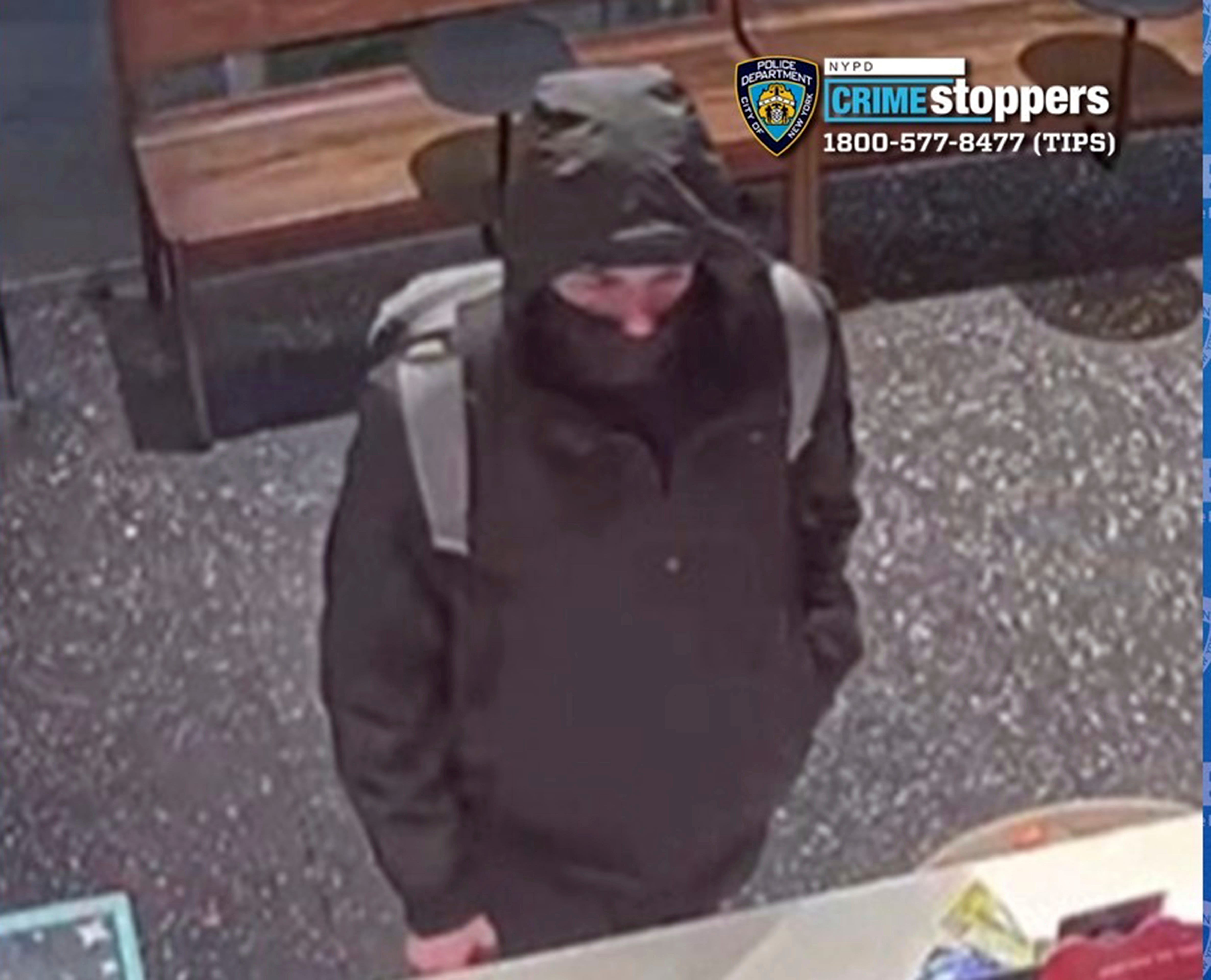
In a city where thousands of cameras feed into a real-time pattern recognition system processing partial facial matches in 1.2 seconds, we’re asked to believe it took 29 hours to identify a suspect. The mathematics of modern surveillance tell a rather different story.I. Microsoft/NYPD Domain Awareness System (DAS) 2012When Microsoft partnered with NYPD in 2012 to build the Domain Awareness System (DAS), they created something beyond traditional surveillance - a vast digital nervous system that turns Manhattan into a seamless observation platform. By integrating NYPD cameras, private business CCTV feeds, public security systems, and building surveillance networks into a unified pattern recognition engine, DAS processes over 18,000 video streams simultaneously. Every bodega security camera, every bank ATM feed, every building lobby monitor becomes part of this digital mesh. The system requires only 40% of facial features for positive identification, completing comparisons in 1.2 seconds. Think Minority Report, but with better mathematics and worse transparency.II. Luigi Mangione Timeline ParadoxThe Mangione case presents us with a fascinating arithmetic problem:* Crime occurs (captured on multiple integrated feeds)* DAS processes partial facial features (milliseconds across thousands of cameras)* Pattern matching across unified network (seconds through public/private feeds)* Hostel photos released (29 hours later)* Frederick Douglass Houses footage (still unreleased)Technical Processing Timeline:* Pattern Recognition: 1.2 seconds per comparison* Network Coverage: 92% of Manhattan public spaces* Camera Integration: >18,000 feeds* Feature Recognition Threshold: 40% facial geometry requiredThe mathematics of modern surveillance suggest a rather different timeline than what we’re being asked to accept.III. DAS Technical CapabilitiesCore System Architecture:* Partial facial recognition across multiple captures (every storefront, every ATM)* Movement signature analysis through connected feeds (from subway to sidewalk)* Behavioral pattern matching across public/private cameras* Geographical preference tracking through integrated systems* Predictive movement modeling using comprehensive coverageProcessing Specifications:* Real-time video analysis: 30 frames/second* Pattern matching speed: 1.2 seconds* Coverage density: ~400 cameras/square mile* System uptime: 99.999%Yet The New York Times quotes K2 Integrity’s Brittney Blair: “There is no magic button you can press to immediately identify someone.” Technically correct - there isn’t one button. There’s a citywide network of integrated cameras running continuous pattern recognition algorithms through every shop window, every ATM, every lobby.IV. NYPD Evidentiary Omissions & Strategic GapsThe most telling evidence lies in what we don’t see. The Frederick Douglass Houses footage would show our subject’s movement pattern between locations of the Upper West Side and the Hilton Midtown, captured not just by public cameras but by every contributing private security system along the route. Its absence from public release suggests a pattern of strategic information control that raises uncomfortable questions about institutional coordination.Missing Data Points:* Frederick Douglass Houses surveillance feeds* Intermediate transit camera captures* Connected private security footage* Time-stamped system alertsV. Visual Pattern RecognitionThree possibilities explain the 29-hour delay:* Technical limitations (contradicted by DAS’s documented integration of thousands of feeds)* Procedural requirements (insufficient to explain the timeline)* Strategic information control (most consistent with observed patterns)When former CIA officer Robert Baer tells the Times, “Once they had that guy’s picture, when he pulls his mask down, it was a given he would be arrested,” he misses the technological reality. DAS doesn’t need a full face - it excels at partial matching across multiple captures, from retail self-serve checkouts to highway cameras.VI. The Questions UnaskedThe technical capabilities of modern surveillance tell us one story. The official timeline tells us another. In a city where potentially every ATM camera, every store security system, and every building lobby feed integrates into a unified pattern recognition system, the gap between these narratives raises questions that remain conspicuously unexamined by major media outlets.Critical Inquiries:* Why the 29-hour delay when the system processes matches in seconds?* Where is the Frederick Douglass Houses footage?* Why does media coverage accept timeline discrepancies without question?The pattern recognition algorithms, churning through feeds from thousands of public and private cameras, are telling us something about institutional behavior. Perhaps we should question the media and our public safety institutions.[Quotes attributed to Robert Baer and Brittney Blair from The New York Times, December 9, 2024, “UHC CEO Suspect Photos Facial Recognition” and December 4, 2024 “A City of Cameras: How New York Police Are Hunting a Killer”]Technical Glossary:* Pattern Recognition: Automated identification of regularities in data* Feature Recognition Threshold: Minimum data points needed for positive identification* Coverage Density: Number of integrated cameras per geographic area* System Uptime: Percentage of time system maintains full operational capacity This is a public episode. If you'd like to discuss this with other subscribers or get access to bonus episodes, visit tatsuikeda.substack.com/subscribe
Embed this episode
Ready to play
Mangione Case - Surveillance Technology vs Everyone
No transcript for this episode yet
Similar Episodes
No similar episodes found.
Similar Podcasts
No similar podcasts found.