
EPISODE · Dec 19, 2025 · 37 MIN
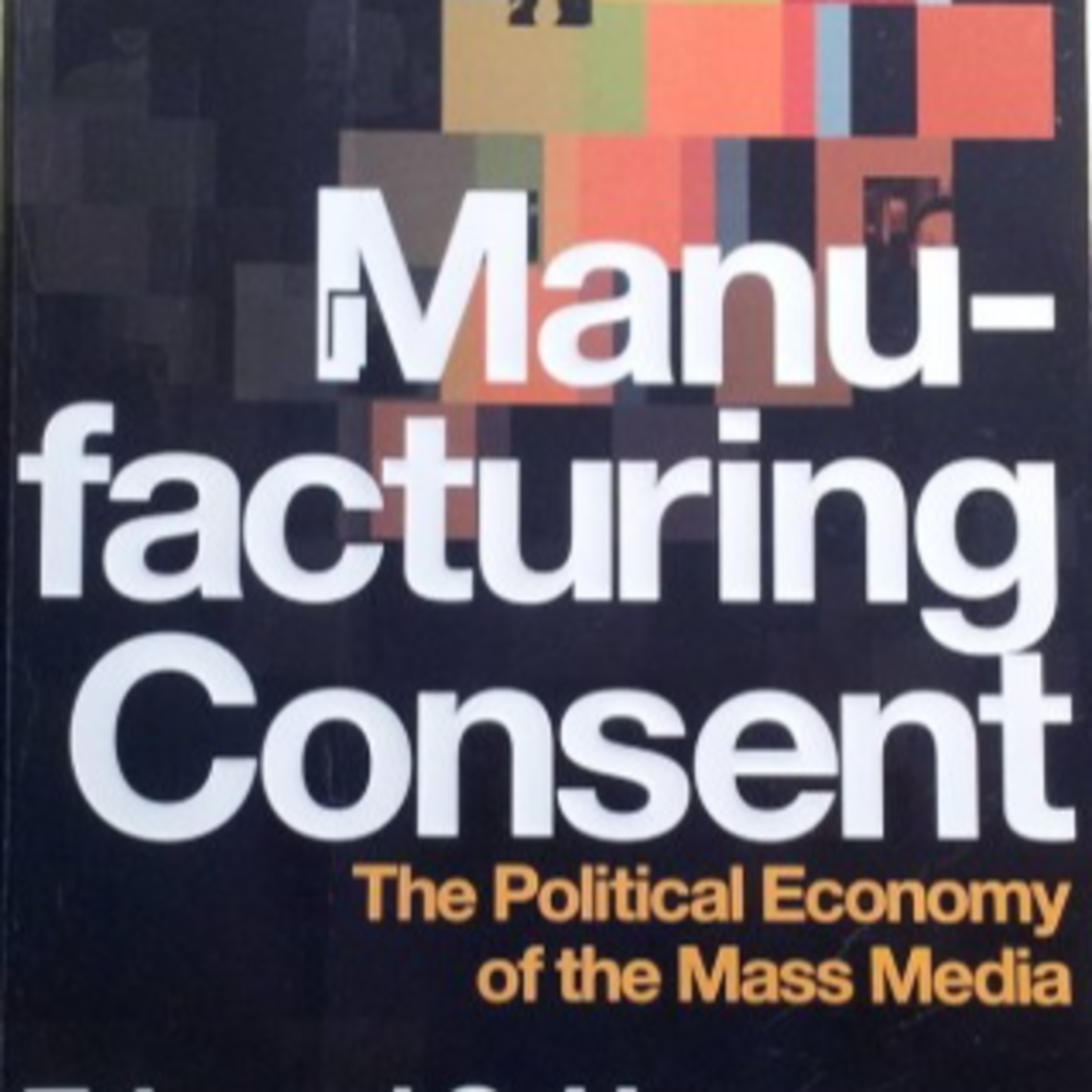
Manufacturing Consent — Deep Dive (Media Power, Propaganda & Public Opinion)
from Crisis in Perception · host Crisis in Perception
Welcome to Crisis in Perception. In this episode, we explore Manufacturing Consent — Edward S. Herman and Noam Chomsky’s landmark analysis of how mass media shapes public understanding by reinforcing elite interests.This Deep Dive examines the propaganda model, which argues that corporate ownership, advertising dependence, government sourcing, and ideological filters determine what stories are covered, how they are framed, and which perspectives receive legitimacy. Through case studies such as the Vietnam War, East Timor, and Cold War elections, the book reveals how media outlets manufacture the appearance of objectivity while consistently privileging state and corporate power.This episode explores:• the five filters of the propaganda model• “worthy” vs. “unworthy” victims in news coverage• how media narratives supported U.S. policy in Vietnam• why the genocide in East Timor received minimal coverage• the asymmetric reporting on elections in El Salvador vs. Nicaragua• how media reliance on official sources reinforces elite consensus• why anti-globalization protests and NAFTA debates were marginalized• how the Tet Offensive exposed the limits of patriotic media narrativesOur goal is to connect ideas, challenge assumptions, and reveal the systems that distort public perception — demonstrating how news is shaped long before it reaches the public.
What this episode covers
Welcome to Crisis in Perception. In this episode, we explore Manufacturing Consent — Edward S. Herman and Noam Chomsky’s landmark analysis of how mass media shapes public understanding by reinforcing elite interests.This Deep Dive examines the propaganda model, which argues that corporate ownership, advertising dependence, government sourcing, and ideological filters determine what stories are covered, how they are framed, and which perspectives receive legitimacy. Through case studies such as the Vietnam War, East Timor, and Cold War elections, the book reveals how media outlets manufacture the appearance of objectivity while consistently privileging state and corporate power.This episode explores:• the five filters of the propaganda model• “worthy” vs. “unworthy” victims in news coverage• how media narratives supported U.S. policy in Vietnam• why the genocide in East Timor received minimal coverage• the asymmetric reporting on elections in El Salvador vs. Nicaragua• how media reliance on official sources reinforces elite consensus• why anti-globalization protests and NAFTA debates were marginalized• how the Tet Offensive exposed the limits of patriotic media narrativesOur goal is to connect ideas, challenge assumptions, and reveal the systems that distort public perception — demonstrating how news is shaped long before it reaches the public.
NOW PLAYING
Manufacturing Consent — Deep Dive (Media Power, Propaganda & Public Opinion)
No transcript for this episode yet
Similar Episodes
Mar 19, 2026 ·34m
Feb 18, 2026 ·11m
Feb 11, 2026 ·45m
Nov 12, 2025 ·35m
Oct 17, 2025 ·40m