
EPISODE · Mar 19, 2026 · 35 MIN
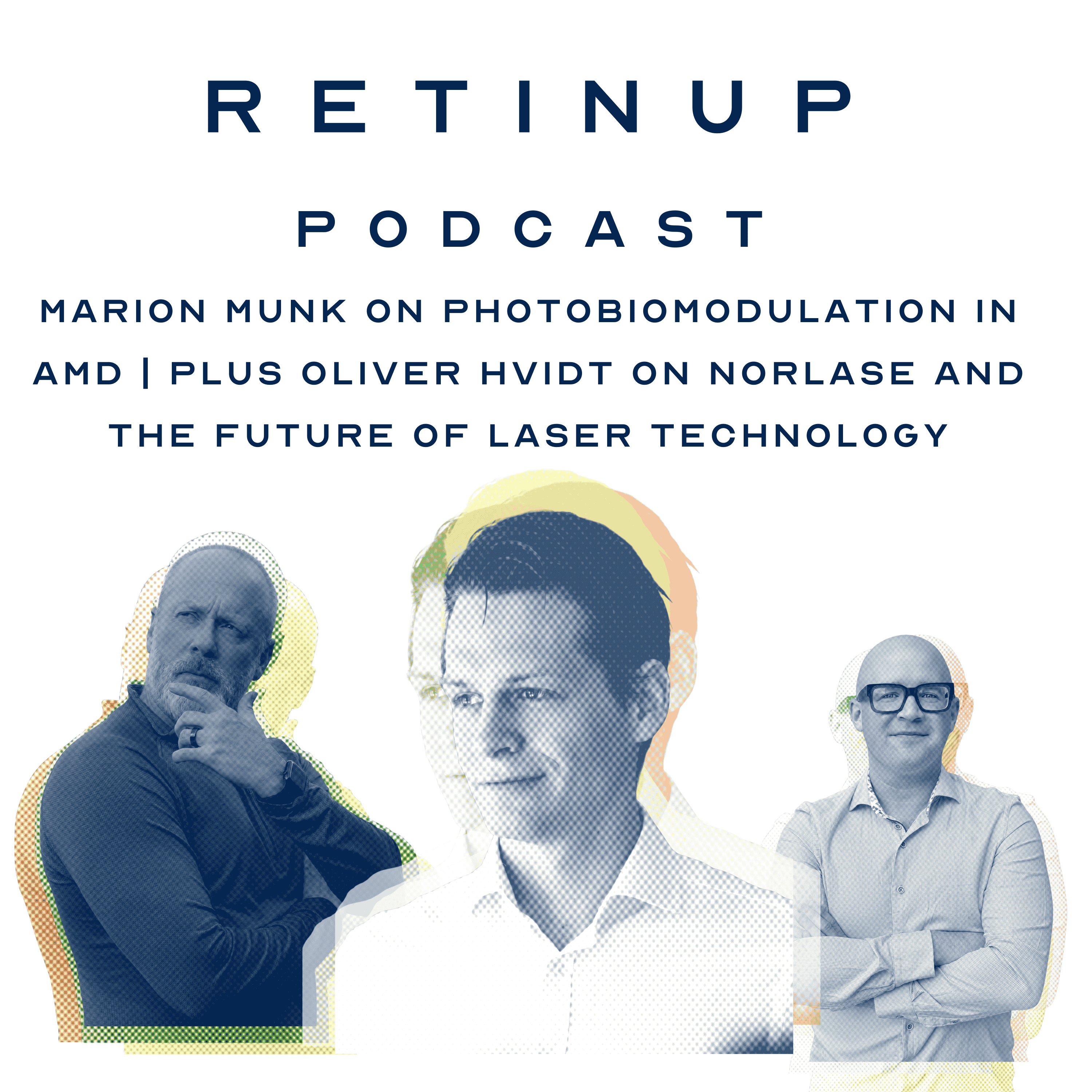
Marion Munk on Photobiomodulation in AMD | Plus Oliver Hvidt on Norlase and Laser Technology
from RetinUp Podcast
This episode of RetinUp combines clinical innovation and device engineering, starting with a discussion on photobiomodulation (PBM) in age-related macular degeneration (AMD), followed by a deep dive into the future of ophthalmic laser technology.First, Marion Munk, MD, shares her extensive real-world experience using the Valeda Light Delivery System (Alcon) for PBM, including patient selection, treatment protocols, and functional outcomes. With over 300 patients treated, she provides one of the most comprehensive perspectives currently available on how PBM is being implemented in clinical practice.The episode then shifts to Oliver Hvidt, co-founder and CEO of Norlase, who explains how his training in economics led him to develop a next-generation, portable laser systems. The conversation explores how engineering, economics, and workflow design intersect to improve efficiency in retina practices.The episode opens with a brief discussion on optometric scope expansion in Kansas, where John explains that fears surrounding scope changes may be overblown. Hosts:John Kitchens, MDScott KrzywonosGuests:Marion Munk, MD – Medical Retina & Uveitis Specialist, Gutblick Group (Switzerland)Oliver Hvidt – Co-Founder & CEO, NorlaseTopics CoveredScope Expansion in OptometryKansas legislation expanding optometric procedural scopeReal-world experience from Kentucky following similar changesWhy expanded scope has had limited impact on retina practiceThe evolving role of optometry as general ophthalmology declinesPhotobiomodulation in AMD (Marion Munk, MD)Differences between general “red light therapy” and medical PBMThe Valeda Light Delivery System and evidence from LIGHTSITE trialsReal-world outcomes from 300+ treated patientsIdeal patient profiles (drusen-predominant AMD, non–center-involving GA)Reported benefits: improved dark adaptation, contrast, and daily function~50–60% of patients reporting subjective improvementChallenges in correlating functional gains with OCT or structural changesImplementation strategies: standardized imaging, AI-assisted analysis, and patient trackingWhen to continue vs. discontinue treatment in non-respondersNorlase and the Future of Laser Technology (Oliver Hvidt)Founding story: from engineering collaboration to ophthalmic applicationRedesigning laser architecture using semiconductor technologyMiniaturization and portability (headset-based indirect laser systems)MEMS-based pattern scanning vs. traditional galvanometer systemsDesigning equipment around workflow efficiency, not just performanceAddressing increasing patient volume with limited clinical resourcesFunding challenges in a post-COVID, AI-dominated investment landscapeFuture roadmap: software-driven upgrades and multi-specialty applicationsKey TakeawaysPhotobiomodulation is gaining traction, but patient selection and expectation-setting are critical.Functional improvements in AMD may not always correlate with structural imaging.Device innovation in retina is increasingly focused on efficiency, portability, and workflow integration.The future of ophthalmic technology will depend as much on practice economics as clinical performance.Sponsor AcknowledgmentThis episode includes a segment made possible with support from Alcon, featuring technologies like UNITY VCS designed to enhance surgical performance and efficiency.Credits:Production & Marketing: Laura BrownBusiness Operations: Liz Hogan Listen at RetinUp.com | Apple Podcasts | Spotify | YouTube
Embed this episode
NOW PLAYING
Marion Munk on Photobiomodulation in AMD | Plus Oliver Hvidt on Norlase and Laser Technology
No transcript for this episode yet
Similar Episodes
No similar episodes found.
Similar Podcasts
No similar podcasts found.