Marlboro College: A Beautiful Thing
from Brattleboro Words Trail Podcast Hosted by #williamedelglass, #marlboro, #marlborovt, #marlborocollege, #lissaweinmann, #marlboromusicfestival, #brattleborotv, #alecpombriant
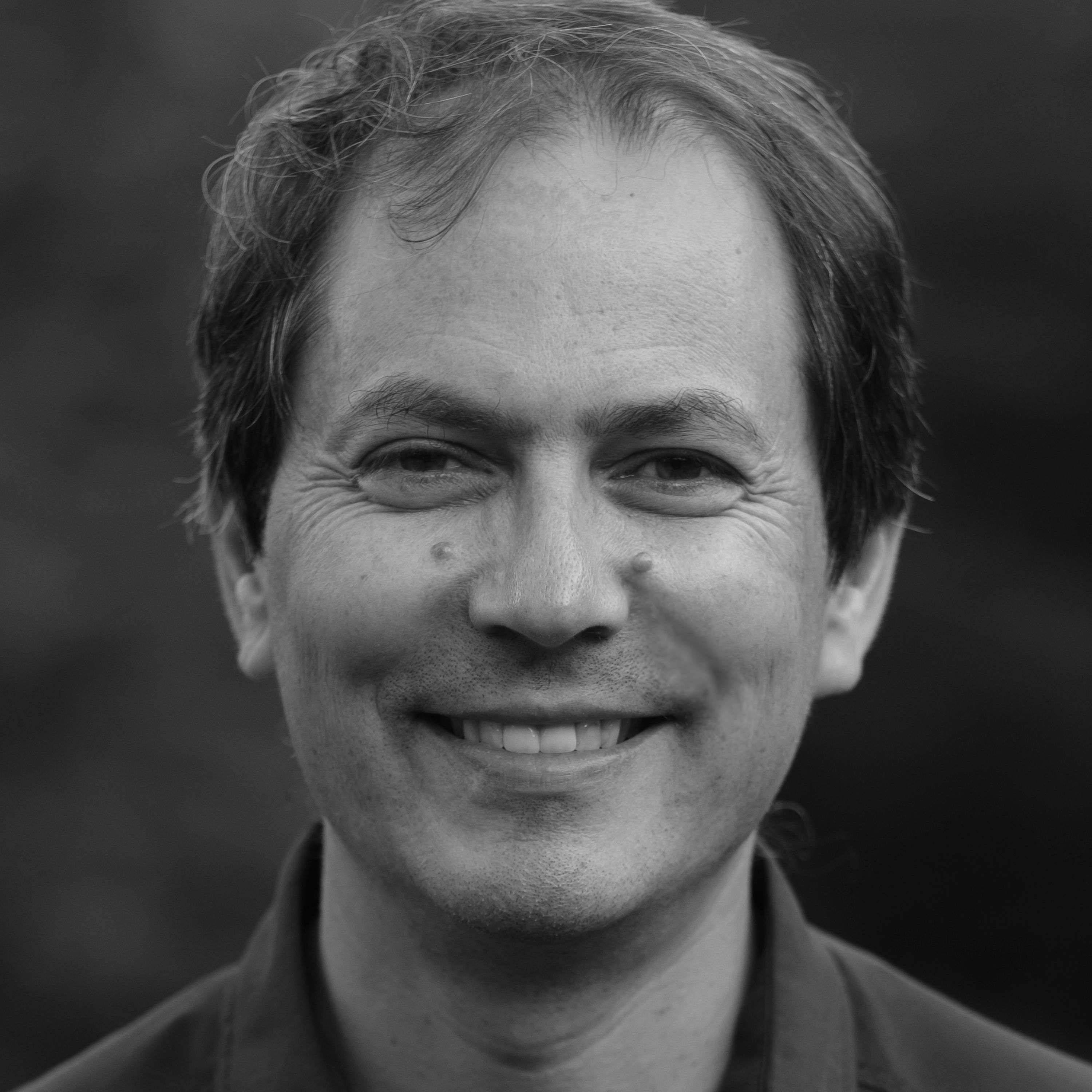
This episode of the Brattleboro Words Trail Podcast was narrated by William Edelglass, a Professor of Philosophy and a co-founder of the Brattleboro Words Trail. Executive Producer Lissa Weinmann interviewed William at BCTV with engineering support from their staff. Alec Pombriant – that’s me – edited and designed the sound. The interstitial music heard in this episode is 6 Épigraphes Antiques by Claude Debussy as performed by Peter Serkin. Our theme music is by Ty Gibbons.Intro voice is Donna Blackney. Thanks to the National Endowment for the Humanities, the Vermont Arts Council and the hundreds of volunteers and community members who support this work.
Embed this episode
What this episode covers
Narrator /Philosopher William Edelglass, PhD taught the last 12 years of Marlboro College before it closed in 2020 amid strong feelings in the community about the loss of a 'sacred place' of learning of particular import to Brattleboro. The gorgeous campus is now owned by the Marlboro Music Festival which brings world-class musicians to Potash Hill in Marlboro every summer and had enjoyed close ties to the college. Edelglass reflects on what attracted him and others to Marlboro and made the college the 'beautiful thing' it was and also a victim of changes in American higher education and society at large. He discusses the origins of Marlboro College, founded by Walter Hendricks who brought in Robert Frost as the college's first trustee and whose educational philosophy shaped the college's approach to students and learning. He shares how Hendricks founded the school after creating a post WWII college for veterans in Europe, and how veterans helped build the college, literally and figuratively, and shaped it as 'a training ground for democratic citizens to participate fully in civic life.' Universal particpation in a regular 'town meeting' gave students a rare say in essential campus decision-making. He discusses how Hendricks was fired after accusing colleagues and students of being Communists during the red scare. He discusses the shift in leadership to Tom Ragle who led the school for 23 years and brought in the 'plan of concentration' where students did a PhD-like defense of their topic for sometimes prominent outside examiners. He discussed the impact Marlboro had on the larger Brattleboro area and how many creatives and politically minded folks who went and/or taught at Marlboro have enriched the region, especially people like political leaders Emilie Kornheiser Sara Coffey and others and artists John Willis, Jay Craven, Blanche and Louis Moyse, Met Mott, and more. He spoke of the importance of the writing requirement and how many authors arose from Marlboro like T. Hunter Wilson and Gretchen Holbrook Gerzina. He described the painful process that led to the decision to close the campus and partner with Emerson College in Boston to form the Marlboro Institute of Liberal and Interdisciplinary Studies. He discusses the current stewardship of Marlboro Music Festival over the some 65 buildings and lush grounds and new programs happening in the old Marlboro campus, like the Marlboro Studio School and the Contemplative Semester. He ends with reflections on how Marlboro College lives on through the festival and in the many people who came there and settled to contribute in many ways to the greater Brattleboro area, and how it was 'a beautiful thing.'
No transcript yet.