
EPISODE · Oct 30, 2024 · 24 MIN
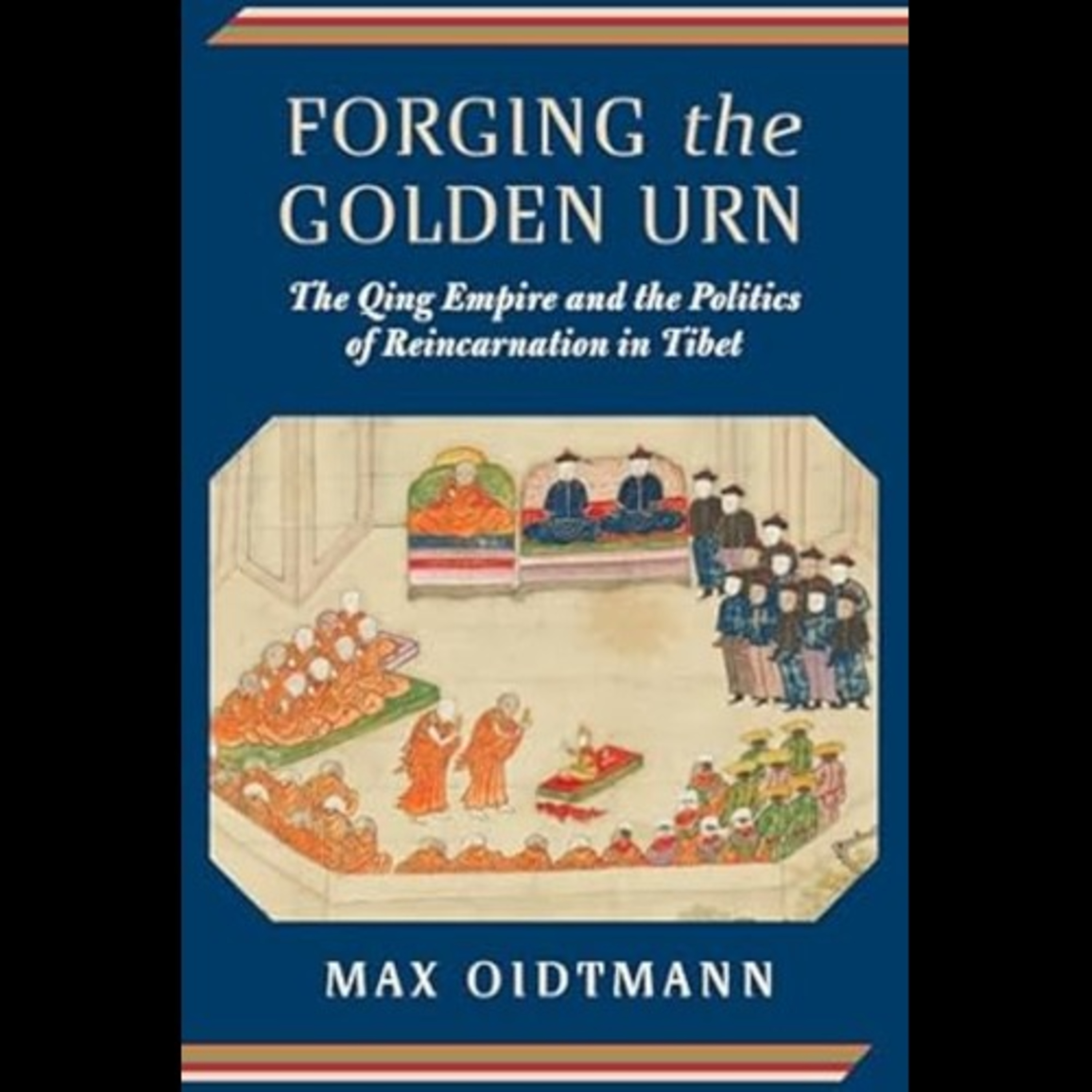
Max Oidtmann, "Forging the Golden Urn: The Qing Empire and the Politics of Reincarnation in Tibet," (Columbia University Press, 2018)
from The New East Asian Studies Podcasts in the Age of AI · host Barton Qian
In 1995, the People’s Republic of China resurrected a Qing-era law mandating that the reincarnations of prominent Tibetan Buddhist monks be identified by drawing lots from a golden urn. The Chinese Communist Party hoped to limit the ability of the Dalai Lama and the Tibetan government-in-exile to independently identify reincarnations. In so doing, they elevated a long-forgotten ceremony into a controversial symbol of Chinese sovereignty in Tibet.In Forging the Golden Urn, Max Oidtmann ventures into the polyglot world of the Qing empire in search of the origins of the golden urn tradition. He seeks to understand the relationship between the Qing state and its most powerful partner in Inner Asia―the Geluk school of Tibetan Buddhism. Why did the Qianlong emperor invent the golden urn lottery in 1792? What ability did the Qing state have to alter Tibetan religious and political traditions? What did this law mean to Qing rulers, their advisors, and Tibetan Buddhists? Working with both the Manchu-language archives of the empire’s colonial bureaucracy and the chronicles of Tibetan elites, Oidtmann traces how a Chinese bureaucratic technology―a lottery for assigning administrative posts―was exported to the Tibetan and Mongolian regions of the Qing empire and transformed into a ritual for identifying and authenticating reincarnations. Forging the Golden Urn sheds new light on how the empire’s frontier officers grappled with matters of sovereignty, faith, and law and reveals the role that Tibetan elites played in the production of new religious traditions in the context of Qing rule. Max Oidtmann is professor of Chinese history at the Institute for Sinology at Ludwig Maximilian University of Munich. Qing Dynasty Golden Urn Tradition Tibetan Buddhist Reincarnation Law Chinese Sovereignty in Tibet Max Oidtmann, Qing Empire History Geluk School of Tibetan Buddhism Reincarnation and Golden Urn Ceremony Qianlong Emperor’s Religious Policies Qing Bureaucratic Influence in Tibet Manchu Archives and Tibetan Chronicles Tibetan Buddhism and Chinese State Religious and Political Traditions in Tibet Tibetan Elites and Qing Rule Sino-Tibetan Relations and Sovereignty Qing Empire Frontier Administration Buddhist Reincarnation Rituals in Qing
Embed this episode
Ready to play
Max Oidtmann, "Forging the Golden Urn: The Qing Empire and the Politics of Reincarnation in Tibet," (Columbia University Press, 2018)
No transcript for this episode yet
Similar Episodes
No similar episodes found.
Similar Podcasts
No similar podcasts found.