May’s cycle of hate needs a mature public response episode artwork

EPISODE · May 24, 2026 · 3 MIN

May’s cycle of hate needs a mature public response

from Korea JoongAng Daily - Daily News from Korea

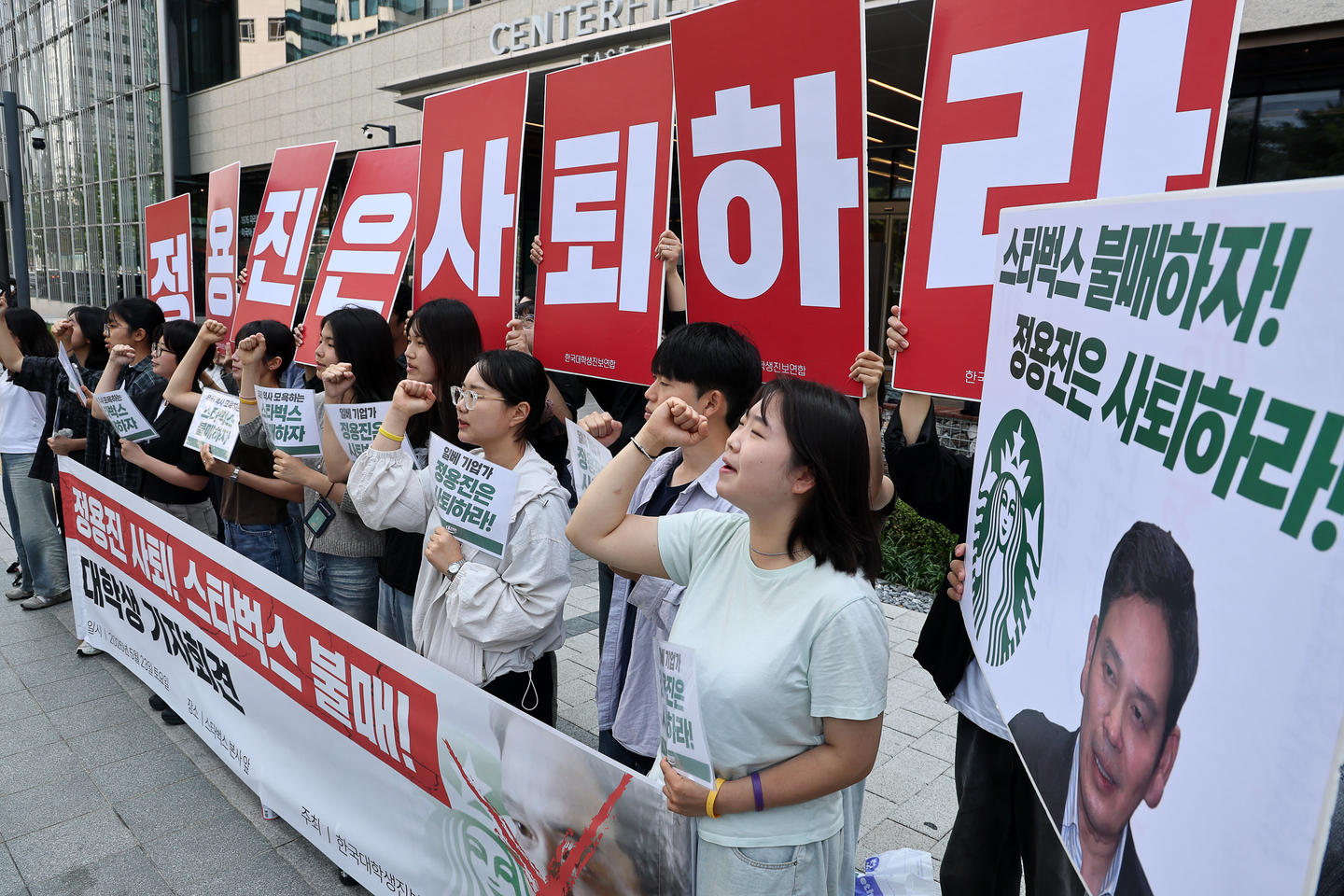
Controversies over mockery and hate have resurfaced in May, a month that symbolizes Korea's democratization. After Starbucks Korea's "Tank Day" promotion hurt the families of victims of the May 18 Gwangju Democratization Movement and many citizens, President Lee Jae Myung said on Sunday that a person linked to Ilbe, a far-right online community, appeared to have mocked the late former President Roh Moo-hyun. Lee said Korea may need to review punishment, punitive damages or even the closure of Ilbe. He also criticized Starbucks Korea's marketing as "the inhumane behavior of lowlife profiteers." Many people can understand his anger toward acts that demean history marked by national pain. Even so, there is reason to worry that repeated presidential interventions on social media could become excessive. First, a boycott of Starbucks Korea that appears to be unfolding under government direction risks distorting both the market and common sense. After Lee's criticism, the Ministry of Justice reviewed budgets involving Starbucks products, while the Ministry of National Defense temporarily suspended a program with the company to improve welfare for service members. The Ministry of SMEs and Startups even considered revoking a prime ministerial commendation for the company. A musical actor who shared a photo taken at Starbucks faced criticism and later left a production. The spectacle of an entire state seeming to publicly shame one company has unsettled even some consumers who were angered by the company's marketing. Excessive government intervention has intruded into the realm of civil society, where public judgment and market principles should function without presidential pressure or administrative overreach. Seeking punitive damages or other penalties for Ilbe's offensive behavior may be a natural policy option. But if the president appears to lead such efforts directly, it can create the impression that the government is restricting freedom of expression and thought. The more the controversy over mockery and hate becomes an issue in the June 3 local elections, the greater the risk that Lee's concerns will backfire. The People Power Party is already accusing the president's social media posts of becoming another form of "state violence." The original purpose — respecting the history and spirit of democracy — is being blurred, while progressives and conservatives use the issue to rally their supporters. To block hatred and ridicule that undermine the spirit of May, Korea needs a careful approach that turns this controversy into mature public deliberation rather than political agitation, not another cycle of partisan mobilization. That distinction matters as public anger continues to spread beyond the original incidents. This article was originally written in Korean and translated by a bilingual reporter with the help of generative AI tools. It was then edited by a native English-speaking editor. All AI-assisted translations are reviewed and refined by our newsroom.

Controversies over mockery and hate have resurfaced in May, a month that symbolizes Korea's democratization. After Starbucks Korea's "Tank Day" promotion hurt the families of victims of the May 18 Gwangju Democratization Movement and many citizens, President Lee Jae Myung said on Sunday that a person linked to Ilbe, a far-right online community, appeared to have mocked the late former President Roh Moo-hyun. Lee said Korea may need to review punishment, punitive damages or even the closure of Ilbe. He also criticized Starbucks Korea's marketing as "the inhumane behavior of lowlife profiteers." Many people can understand his anger toward acts that demean history marked by national pain. Even so, there is reason to worry that repeated presidential interventions on social media could become excessive. First, a boycott of Starbucks Korea that appears to be unfolding under government direction risks distorting both the market and common sense. After Lee's criticism, the Ministry of Justice reviewed budgets involving Starbucks products, while the Ministry of National Defense temporarily suspended a program with the company to improve welfare for service members. The Ministry of SMEs and Startups even considered revoking a prime ministerial commendation for the company. A musical actor who shared a photo taken at Starbucks faced criticism and later left a production. The spectacle of an entire state seeming to publicly shame one company has unsettled even some consumers who were angered by the company's marketing. Excessive government intervention has intruded into the realm of civil society, where public judgment and market principles should function without presidential pressure or administrative overreach. Seeking punitive damages or other penalties for Ilbe's offensive behavior may be a natural policy option. But if the president appears to lead such efforts directly, it can create the impression that the government is restricting freedom of expression and thought. The more the controversy over mockery and hate becomes an issue in the June 3 local elections, the greater the risk that Lee's concerns will backfire. The People Power Party is already accusing the president's social media posts of becoming another form of "state violence." The original purpose — respecting the history and spirit of democracy — is being blurred, while progressives and conservatives use the issue to rally their supporters. To block hatred and ridicule that undermine the spirit of May, Korea needs a careful approach that turns this controversy into mature public deliberation rather than political agitation, not another cycle of partisan mobilization. That distinction matters as public anger continues to spread beyond the original incidents. This article was originally written in Korean and translated by a bilingual reporter with the help of generative AI tools. It was then edited by a native English-speaking editor. All AI-assisted translations are reviewed and refined by our newsroom.

NOW PLAYING

May’s cycle of hate needs a mature public response

0:00 3:00

No transcript for this episode yet

We transcribe on demand. Request one and we'll notify you when it's ready — usually under 10 minutes.

No similar episodes found.

No similar podcasts found.

Frequently Asked Questions

How long is this episode of Korea JoongAng Daily - Daily News from Korea?

This episode is 3 minutes long.

When was this Korea JoongAng Daily - Daily News from Korea episode published?

This episode was published on May 24, 2026.

What is this episode about?

Controversies over mockery and hate have resurfaced in May, a month that symbolizes Korea's democratization. After Starbucks Korea's "Tank Day" promotion hurt the families of victims of the May 18 Gwangju Democratization Movement and many citizens,...

Can I download this Korea JoongAng Daily - Daily News from Korea episode?

Yes, you can download this episode by clicking the download button on the episode player, or subscribe to the podcast in your preferred podcast app for automatic downloads.
URL copied to clipboard!