PodParley PodParley

Meet the author - Tracey Lee Holmes

Tracy Lee Holmes was in conversation with Phil Co…

An episode of the Experience ANU podcast, hosted by Experience ANU, titled "Meet the author - Tracey Lee Holmes" was published on September 24, 2025 and runs 62 minutes.

September 24, 2025 ·62m · Experience ANU

0:00 / 0:00

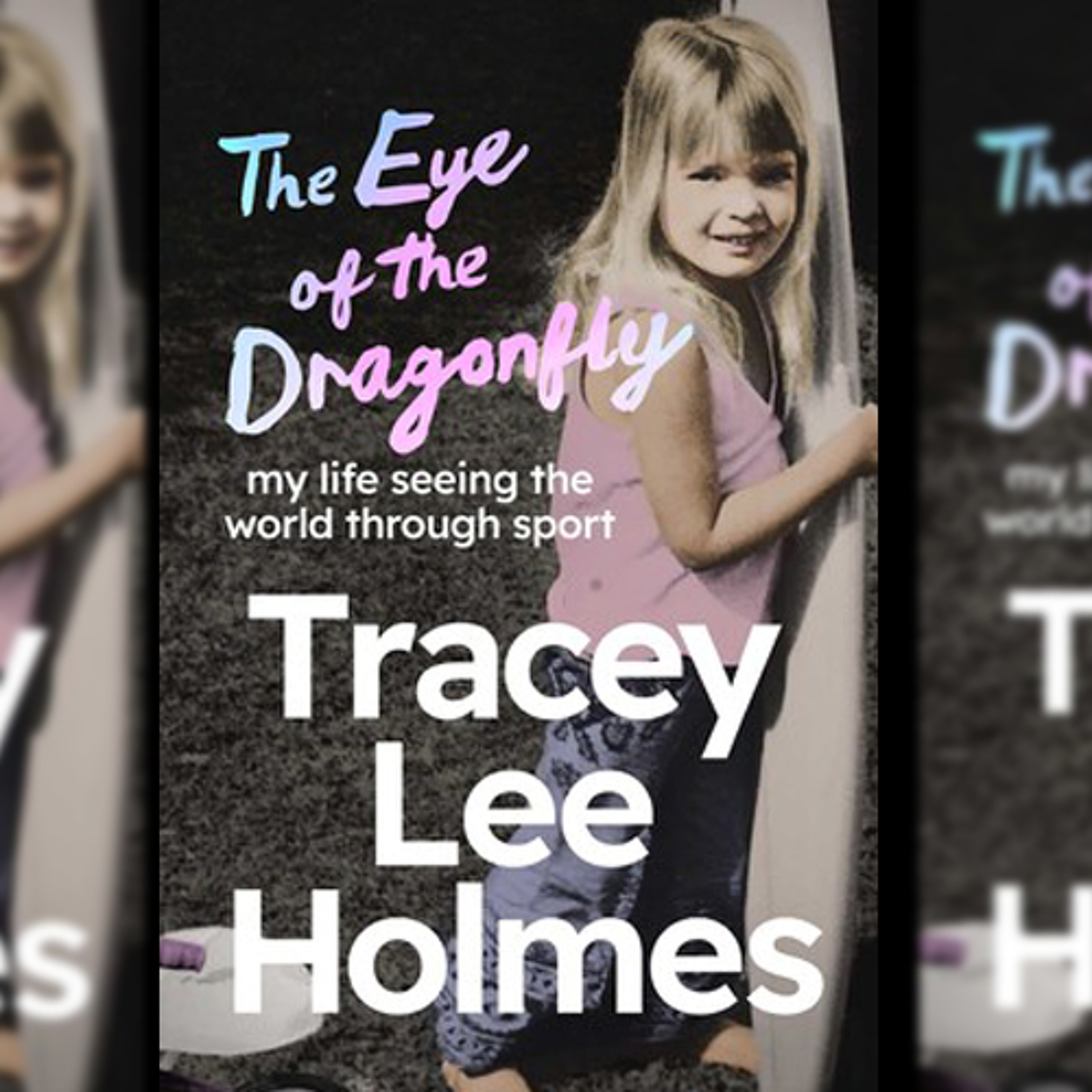
Tracy Lee Holmes was in conversation with Phil Coorey on The Eye of the Dragonfly, a candid, wide-ranging and passionate book, part memoir, part manifesto, in which she shares both her stories and her views on sport’s most dramatic issues. The dragonfly sees in 360 degree perspective, and that’s what Tracey Lee Holmes has always done in her sports journalism. Over four decades, she has taken us beyond the scores and stats to the real stories of sport – the stories of human beings in exultation and defeat, and the bigger stories of money, power, and all too often, discrimination. In both her life and work, Holmes has consistently broken barriers. The first female presenter of the ABC’s flagship sports programme, Grandstand, she has pioneered coverage of and by women in sport. Her longform style of interviewing and her reporting on world events like the Olympics and FIFA World Cups have introduced us to athletes from all backgrounds and nations Anchor, reporter, podcaster and – for a rocky spell over the 2000 Sydney Olympics – media manager, Holmes has never sought to divorce sport and the politics of the world it’s played in. As well as recounting highlights (and a couple of lowlights) from her career, in this book she shares her views on drugs in sport, Sam Kerr, and what challenges face the Olympics before the 2032 Brisbane Games. Holmes has also had a rich personal story. The child of itinerant surfers, she has lived in many different countries with her own children and husband, Stan Grant, seeing the world from many different perspectives. And her life has been full of surprises: only after numerous years living in China did she learn that she has Chinese heritage herself. Bracing, intimate and characteristically unconventional, The Eye of the Dragonfly gives us the full picture of a remarkable life in sport. Tracey Lee Holmes is one of Australia’s most recognised and rewarded journalists . As Deputy Chair of the Oceania Australia Foundation, a Council Member of Indigenous Football Australia, a member of the IOC Press Committee, and a Mentor for the IOC Young Reporters program, Tracey is actively involved in promoting sport as a tool for social change and empowerment. Phil Coorey has covered federal politics since 1998 and is currently the political editor of the Australian Financial Review based in Canberra. He is a two-time winner of the Paul Lyneham award for press gallery excellence. He is a regular commentator on political panel television programmes such the ABC’s Insiders.

Tracy Lee Holmes was in conversation with Phil Coorey on The Eye of the Dragonfly, a candid, wide-ranging and passionate book, part memoir, part manifesto, in which she shares both her stories and her views on sport’s most dramatic issues. The dragonfly sees in 360 degree perspective, and that’s what Tracey Lee Holmes has always done in her sports journalism. Over four decades, she has taken us beyond the scores and stats to the real stories of sport – the stories of human beings in exultation and defeat, and the bigger stories of money, power, and all too often, discrimination. In both her life and work, Holmes has consistently broken barriers. The first female presenter of the ABC’s flagship sports programme, Grandstand, she has pioneered coverage of and by women in sport. Her longform style of interviewing and her reporting on world events like the Olympics and FIFA World Cups have introduced us to athletes from all backgrounds and nations Anchor, reporter, podcaster and – for a rocky spell over the 2000 Sydney Olympics – media manager, Holmes has never sought to divorce sport and the politics of the world it’s played in. As well as recounting highlights (and a couple of lowlights) from her career, in this book she shares her views on drugs in sport, Sam Kerr, and what challenges face the Olympics before the 2032 Brisbane Games. Holmes has also had a rich personal story. The child of itinerant surfers, she has lived in many different countries with her own children and husband, Stan Grant, seeing the world from many different perspectives. And her life has been full of surprises: only after numerous years living in China did she learn that she has Chinese heritage herself. Bracing, intimate and characteristically unconventional, The Eye of the Dragonfly gives us the full picture of a remarkable life in sport. Tracey Lee Holmes is one of Australia’s most recognised and rewarded journalists . As Deputy Chair of the Oceania Australia Foundation, a Council Member of Indigenous Football Australia, a member of the IOC Press Committee, and a Mentor for the IOC Young Reporters program, Tracey is actively involved in promoting sport as a tool for social change and empowerment. Phil Coorey has covered federal politics since 1998 and is currently the political editor of the Australian Financial Review based in Canberra. He is a two-time winner of the Paul Lyneham award for press gallery excellence. He is a regular commentator on political panel television programmes such the ABC’s Insiders.
Interviews with Anupama Chopra Film Companion Anupama Chopra is a film critic, television anchor and book author. She has been writing about Bollywood since 1993. Her work has appeared in publications such as The New York Times, Hindustan Times, The Los Angeles Times and Vogue (India). Here you can find all of her interviews and conversations with Bollywood and Hollywood's leading actors and filmmakers. In short, everything you need to enhance your cinematic experience.Millions of listeners seek out Bingepods (Ideabrew Studios Network content) every day. Get in touch with us to advertise, join the network or click listen to  enjoy content by some of India's top audio [email protected] | Apple LJ Audio Yoga lawrence jay Experience transformative yoga with international instructor Lawrence 'LJ' Jay, now on Spotify. Trained in Vinyasa and Anusara, LJ also offers 'Cranial Yoga' and 'Somatic Slow', unique styles enhancing parasympathetic connectivity and emotional awareness. From Canada to Bali, his teachings span continents and styles. Tune in for a blend of traditional and innovative yoga, designed to guide you towards improLawrence stands as one of the most diverse yoga teachers on the planet, proficient in the dynamic sequences of Vinyasa Flow, and a certified Anusara teacher. Beyond these traditional styles Taittriyaka Upanishad by Unknown Loyal Books The word Upanishad (upa-ni-shad) consists of, "Upa" means "near;" "ni" means "down;" "shad" means "to sit." Thus, Upanishad is to sit down near the teacher to discuss, learn, practice, and experience. There are some 200 or more Upanishads. Some are lost and are only known about because of being referenced in other Upanishads. Most of the Upanishads were kept secret for centuries, only passed on to others orally in the form of Shloka (a category of verse line developed from the Vedic Anustubh meter).Taittiriya is a Sanskrit word that means "from Tittiri". The root of this name has been interpreted in two ways: "from Vedic sage Tittiri" or a collection of verses from mythical students who became Tittiris (birds, partridges) in order to gain knowledge.This Upanishad is divided into three sections called Vallis: Siksha (Pronunciation /Instruction) Valli , Ananda (bliss of Brahman) Valli , and Bhrigu (son of Varuna, the god of all water elements) Valli.The chronology of Taittriyaka Upanish Katha Upanishad by Unknown Loyal Books The word Upanishad (upa-ni-shad) consists of, "Upa" means "near;" "ni" means "down;" "shad" means "to sit." Thus, Upanishad is to sit down near the teacher to discuss, learn, practice, and experience. There are some 200 or more Upanishads. Some are lost and are only known about because of being referenced in other Upanishads.Most of the Upanishads were kept secret for centuries, only passed on to others orally in the form of Shloka (a category of verse line developed from the Vedic Anustubh meter).Katha-Upanishad is one the 11 principal Upanishads. Its chronology is contested as being between fifth century BCE and 1st millennium BCE.Katha (Sanskrit: कठ) literally means "distress". Katha Upanishad uses words that symbolically embed and creatively have multiple meanings. For example, a closely pronounced word Katha (Sanskrit: कथा) literally means "story, legend, conversation, speech, tale". All of these related meanings are relevant to the Katha Upanishad.The text presents Death as the T
URL copied to clipboard!