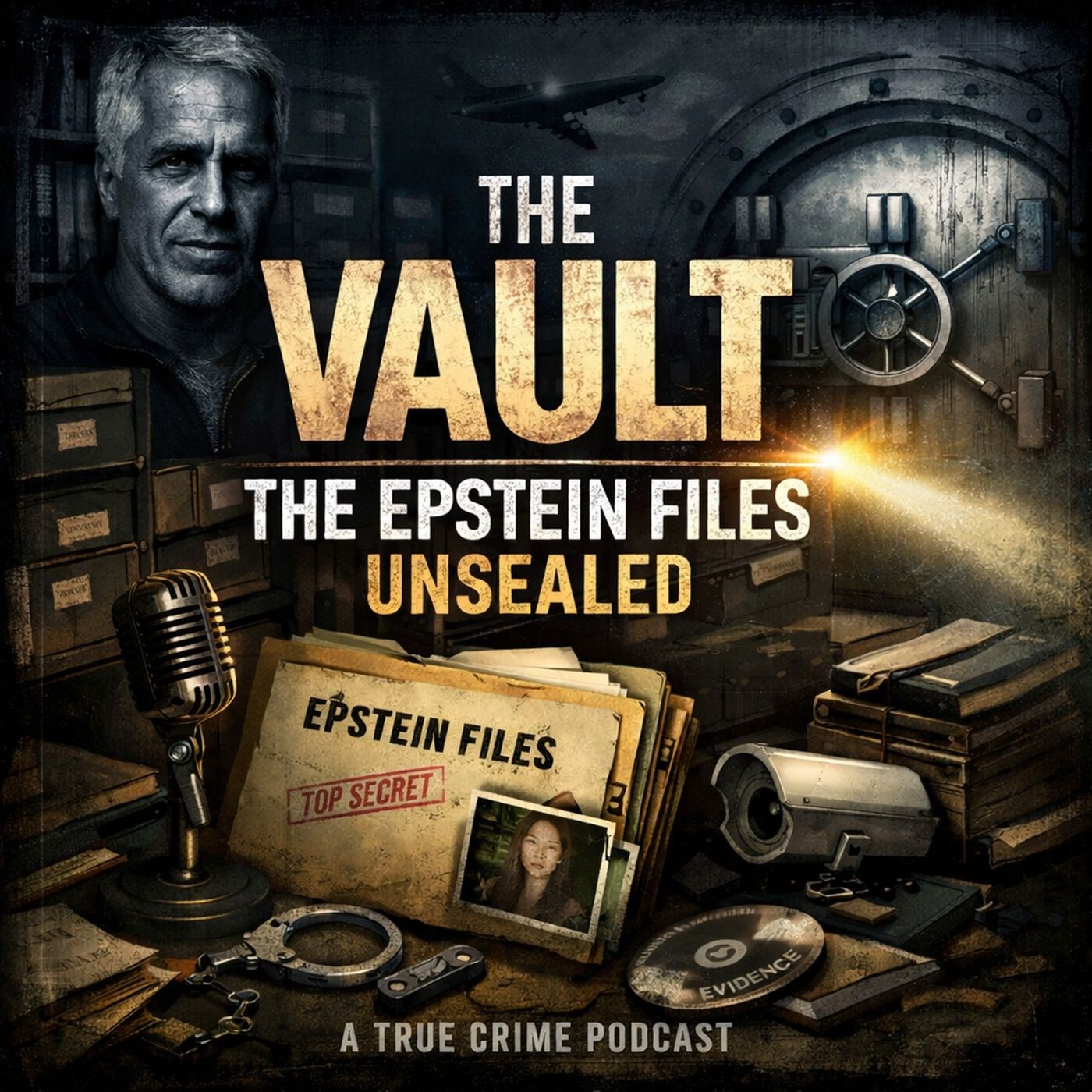
Mega Edition:  How The Epstein Files Were Lost In The Bureaucratic Machine (6/13/26) episode artwork

EPISODE · Jun 13, 2026 · 44 MIN

Mega Edition: How The Epstein Files Were Lost In The Bureaucratic Machine (6/13/26)

from The Vault: The Epstein Files · host Bobby Capucci

The Epstein files were never sitting in one neat box waiting to be opened. They were scattered across years of court cases, law-enforcement investigations, civil lawsuits, sealed filings, grand jury materials, prison records, congressional productions, and federal agency archives. Some of the most important records came through the courts: the Palm Beach criminal case, the federal non-prosecution agreement litigation, Virginia Giuffre’s civil case against Ghislaine Maxwell, survivor lawsuits against Epstein’s estate, litigation against banks like JPMorgan and Deutsche Bank, and other dockets where depositions, exhibits, emails, flight logs, address books, settlement records, and sworn testimony surfaced piece by piece. That is why the public record grew in fragments: one batch from a lawsuit, another from a judge unsealing documents, another from discovery, another from congressional subpoenas, and another from media fights over access.The FBI and DOJ held another major universe of Epstein material: interview reports, search-warrant returns, victim statements, photographs, videos, seized electronics, financial records, investigative notes, jail records, and internal communications connected to both the original Florida investigation and the later SDNY case. Congress then became another repository as the House Oversight Committee sought unredacted files, transcripts, agency productions, and testimony from people connected to Epstein’s staff, legal team, financial network, and incarceration. So when people say “the Epstein files,” they are really talking about a sprawling archive spread across courts, the FBI, the DOJ, the Bureau of Prisons, congressional investigators, civil litigants, banks, estates, and private parties. That scattered structure matters because it makes full accountability harder: no single release tells the whole story, no single agency controls everything, and every redaction, sealed docket, privilege claim, or missing exhibit leaves another gap in a record that was already deliberately fragmented.to contact me:[email protected]

The Epstein files were never sitting in one neat box waiting to be opened. They were scattered across years of court cases, law-enforcement investigations, civil lawsuits, sealed filings, grand jury materials, prison records, congressional productions, and federal agency archives. Some of the most important records came through the courts: the Palm Beach criminal case, the federal non-prosecution agreement litigation, Virginia Giuffre’s civil case against Ghislaine Maxwell, survivor lawsuits against Epstein’s estate, litigation against banks like JPMorgan and Deutsche Bank, and other dockets where depositions, exhibits, emails, flight logs, address books, settlement records, and sworn testimony surfaced piece by piece. That is why the public record grew in fragments: one batch from a lawsuit, another from a judge unsealing documents, another from discovery, another from congressional subpoenas, and another from media fights over access.The FBI and DOJ held another major universe of Epstein material: interview reports, search-warrant returns, victim statements, photographs, videos, seized electronics, financial records, investigative notes, jail records, and internal communications connected to both the original Florida investigation and the later SDNY case. Congress then became another repository as the House Oversight Committee sought unredacted files, transcripts, agency productions, and testimony from people connected to Epstein’s staff, legal team, financial network, and incarceration. So when people say “the Epstein files,” they are really talking about a sprawling archive spread across courts, the FBI, the DOJ, the Bureau of Prisons, congressional investigators, civil litigants, banks, estates, and private parties. That scattered structure matters because it makes full accountability harder: no single release tells the whole story, no single agency controls everything, and every redaction, sealed docket, privilege claim, or missing exhibit leaves another gap in a record that was already deliberately fragmented.to contact me:[email protected]

NOW PLAYING

Mega Edition: How The Epstein Files Were Lost In The Bureaucratic Machine (6/13/26)

0:00 44:57

No transcript for this episode yet

We transcribe on demand. Request one and we'll notify you when it's ready — usually under 10 minutes.

Big Old Life: Heather Blackbird interviews people on planet earth. Heather Blackbird loves asking questions. This podcast is a learning experience. Join me, Heather Blackbird, as I talk to people about their lives. Frequency of new episodes is a little all over the place and I'm learning as I go. Big Old Life is a small way of talking about the vastness of life, one person at a time. If you are reading this or found this podcast it's probably because someone you know gave you a link to it. :) Explicit Tales Of A Superstar DJ The Insomniac Spun seemingly out of nowhere from her complacent life in the corporate world, turned seemingly overnight from 16-Hour shift work and into the life of a literally starving artist and working musician, The Protagonist navigates her supposed rise to fame and superstardom on a journey through spiritual awakening, coming-of-age, and intimate self-realization--guided by an omnipresent force and equipped with the power of love, magic, and music. {Enter The Multiverse.} [The Festival Project] The Festival Project, Inc.™ is a multidimensional multimedia platform which encompasses exploratory and artistic social personifications and expressions on cosmic theory, spirituality, growth, health & wellness, philosophy and theoretic dynamics in entertainment such as music, design, film, television, radio, dance and festival culture, art, fashion, literature, and science. The Festival Project™ and its subsidiary Non-Profit, The Collective Complex © aims to challenge modern artistic and philosop Explicit Bitcoin Is Dead Trey Carson Welcome to Bitcoin is Dead, the ultimate Bitcoin variety show where host Trey takes you on a journey through the ever-evolving world of Bitcoin. Each episode brings new personalities, fascinating locations, and insightful conversations with politicians, educators, and innovators shaping the future of Bitcoin. Whether you're a seasoned Bitcoiner or just starting your journey, tune in for thought-provoking discussions, unique perspectives, and a deep dive into the ideas and people driving the Bitcoin revolution. Explicit The Sacred +Profane Podcast nephtaragrace The Sacred + Profane Podcast is a provocative conversation dedicated to cementing a better future for all. We specialize in unpacking the nuances of what is considered sacred and profane, particularly focusing on sex, death, and all that pertains to the circle of life. Our aim in focusing on such ”taboo” subject matter is to demystify what is unconscious, bring to light what has been known for centuries as ”the occult,” and empower the rapid transformation that is occurring on the Planet. Explicit

Frequently Asked Questions

How long is this episode of The Vault: The Epstein Files?

This episode is 44 minutes long.

When was this The Vault: The Epstein Files episode published?

This episode was published on June 13, 2026.

What is this episode about?

The Epstein files were never sitting in one neat box waiting to be opened. They were scattered across years of court cases, law-enforcement investigations, civil lawsuits, sealed filings, grand jury materials, prison records, congressional...

Can I download this The Vault: The Epstein Files episode?

Yes, you can download this episode by clicking the download button on the episode player, or subscribe to the podcast in your preferred podcast app for automatic downloads.
URL copied to clipboard!