
EPISODE · Feb 4, 2026 · 39 MIN
Mega Edition: Marie Villafana And Her Defense Of Jeffrey Epstein's NPA (2/3/26)
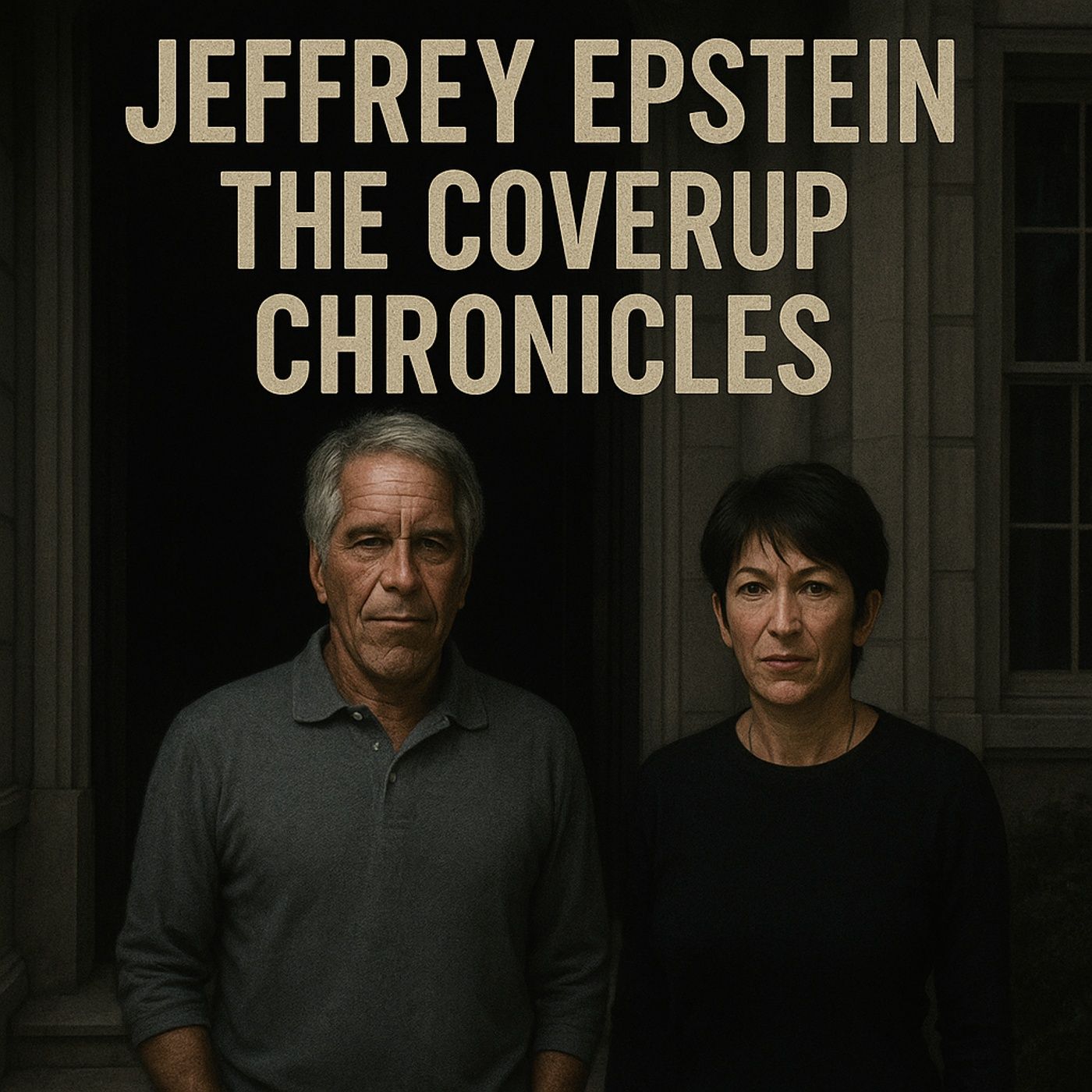
from Jeffrey Epstein: The Coverup Chronicles · host Bobby Capucci
In a sworn affidavit filed in 2017, Marie Villafaña, a Department of Justice official, laid out the government’s formal defense of how federal prosecutors handled the Crime Victims’ Rights Act during the Jeffrey Epstein non-prosecution agreement. Her core argument was that the CVRA’s notice and participation requirements did not apply because Epstein had not been federally charged at the time the deal was negotiated, framing the agreement as a pre-charge exercise of prosecutorial discretion rather than a criminal proceeding triggering victims’ rights. Villafaña asserted that prosecutors were operating within long-standing DOJ interpretations of the law, emphasizing that the CVRA was never intended to require victim notification during confidential plea negotiations or before formal charges were filed. She presented the government’s position as legally cautious rather than deceptive, insisting that secrecy was necessary to preserve the integrity of negotiations and avoid jeopardizing a potential federal case.Villafaña also used the affidavit to push back against allegations that prosecutors intentionally misled Epstein’s victims or acted in bad faith, repeatedly stressing that DOJ personnel believed they were complying with the law as it was understood at the time. She argued that internal DOJ guidance supported limiting disclosure to victims before charges, and that there was no clear judicial precedent then requiring broader notification under the CVRA in pre-indictment settings. Framed this way, the affidavit portrayed the Epstein deal not as a calculated effort to sidestep victims’ rights, but as a legally defensible—if controversial—exercise of prosecutorial judgment. That position would later come under severe criticism from courts and victims’ advocates, but in 2017 Villafaña’s filing stood as the DOJ’s most explicit attempt to justify its handling of the Epstein case under the CVRA.to contact me:[email protected]:gov.uscourts.flsd.317867.403.19.pdf
What this episode covers
In a sworn affidavit filed in 2017, Marie Villafaña, a Department of Justice official, laid out the government’s formal defense of how federal prosecutors handled the Crime Victims’ Rights Act during the Jeffrey Epstein non-prosecution agreement. Her core argument was that the CVRA’s notice and participation requirements did not apply because Epstein had not been federally charged at the time the deal was negotiated, framing the agreement as a pre-charge exercise of prosecutorial discretion rather than a criminal proceeding triggering victims’ rights. Villafaña asserted that prosecutors were operating within long-standing DOJ interpretations of the law, emphasizing that the CVRA was never intended to require victim notification during confidential plea negotiations or before formal charges were filed. She presented the government’s position as legally cautious rather than deceptive, insisting that secrecy was necessary to preserve the integrity of negotiations and avoid jeopardizing a potential federal case.Villafaña also used the affidavit to push back against allegations that prosecutors intentionally misled Epstein’s victims or acted in bad faith, repeatedly stressing that DOJ personnel believed they were complying with the law as it was understood at the time. She argued that internal DOJ guidance supported limiting disclosure to victims before charges, and that there was no clear judicial precedent then requiring broader notification under the CVRA in pre-indictment settings. Framed this way, the affidavit portrayed the Epstein deal not as a calculated effort to sidestep victims’ rights, but as a legally defensible—if controversial—exercise of prosecutorial judgment. That position would later come under severe criticism from courts and victims’ advocates, but in 2017 Villafaña’s filing stood as the DOJ’s most explicit attempt to justify its handling of the Epstein case under the CVRA.to contact me:[email protected]:gov.uscourts.flsd.317867.403.19.pdf
NOW PLAYING
Mega Edition: Marie Villafana And Her Defense Of Jeffrey Epstein's NPA (2/3/26)
No transcript for this episode yet
Similar Episodes
Dec 5, 2025 ·50m
Oct 9, 2025 ·33m
Oct 3, 2025 ·40m
Sep 11, 2025 ·31m
Aug 27, 2025 ·39m
Aug 18, 2025 ·54m