
EPISODE · Jan 29, 2026 · 45 MIN
Mega Edition: The Inspector Generals Report On Epstein's NPA (Part 41-44) (1/29/26)
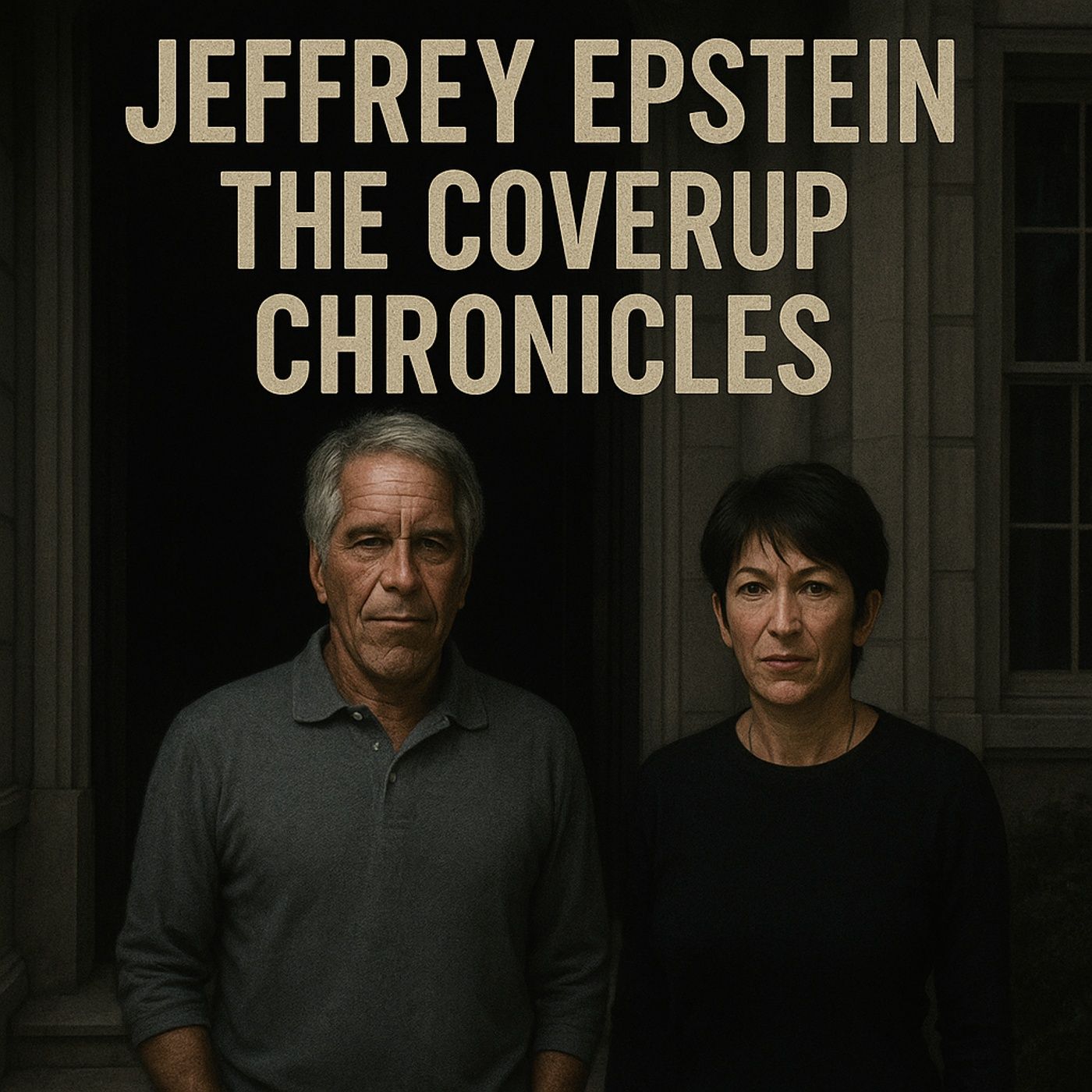
from Jeffrey Epstein: The Coverup Chronicles · host Bobby Capucci
In this segment we’re going back to the Office of Inspector General’s report on Jeffrey Epstein’s non-prosecution agreement, but this time with a perspective that simply didn’t exist when most people first read it — the full, unfiltered interview Alex Acosta gave to the Inspector General after the scandal finally exploded. Because once you’ve seen how Acosta explains himself, how he hedges, how he minimizes, how he quietly rewrites his own role in real time, that OIG report stops reading like a neutral internal review and starts reading like a document built around what Acosta was willing to admit, not what actually happened. Passages that once sounded procedural now look evasive, timelines that once seemed complete suddenly feel selectively curated, and key conclusions begin to rest on a version of events that Acosta himself later contradicted under questioning. What we’re really doing here is stress-testing the government’s own narrative — comparing what the OIG said happened with what the chief architect of the deal later admitted, denied, and carefully avoided — and in the process, exposing just how much of the official record may have been shaped not by truth, but by damage control.The Department of Justice Office of the Inspector General (OIG) report into Jeffrey Epstein’s 2007 Non-Prosecution Agreement (NPA) presents a disturbing portrait of federal cowardice, systemic failures, and deliberate abdication of prosecutorial duty. Instead of zealously pursuing justice against a serial predator with dozens of underage victims, the U.S. Attorney’s Office in the Southern District of Florida, under Alexander Acosta, caved to Epstein’s high-powered legal team and crafted a sweetheart deal that immunized not just Epstein, but unnamed potential co-conspirators—many of whom are still shielded to this day. The report shows that career prosecutors initially prepared a 53-page indictment, but this was ultimately buried, replaced by state charges that led to minimal jail time, lenient conditions, and near-total impunity. The OIG paints the decision as a series of poor judgments rather than criminal misconduct, but this framing betrays the magnitude of what actually occurred: a calculated retreat in the face of wealth and influence.Critically, the report fails to hold any individuals truly accountable, nor does it demand structural reform that could prevent similar derelictions of justice. It accepts, without sufficient pushback, the justifications offered by federal prosecutors who claimed their hands were tied or that the case was too risky—despite overwhelming evidence and a mountain of victim statements. The OIG sidesteps the glaring reality that this was not just bureaucratic failure, but a protection racket masquerading as legal discretion. It treats corruption as incompetence and power as inevitability. The conclusion, ultimately, feels like a shrug—a bureaucratic absolution of one of the most disgraceful collapses of federal prosecutorial integrity in modern history. It is less a reckoning than a rubber stamp on institutional failure.to contact me:[email protected]:dl (justice.gov)
What this episode covers
In this segment we’re going back to the Office of Inspector General’s report on Jeffrey Epstein’s non-prosecution agreement, but this time with a perspective that simply didn’t exist when most people first read it — the full, unfiltered interview Alex Acosta gave to the Inspector General after the scandal finally exploded. Because once you’ve seen how Acosta explains himself, how he hedges, how he minimizes, how he quietly rewrites his own role in real time, that OIG report stops reading like a neutral internal review and starts reading like a document built around what Acosta was willing to admit, not what actually happened. Passages that once sounded procedural now look evasive, timelines that once seemed complete suddenly feel selectively curated, and key conclusions begin to rest on a version of events that Acosta himself later contradicted under questioning. What we’re really doing here is stress-testing the government’s own narrative — comparing what the OIG said happened with what the chief architect of the deal later admitted, denied, and carefully avoided — and in the process, exposing just how much of the official record may have been shaped not by truth, but by damage control.The Department of Justice Office of the Inspector General (OIG) report into Jeffrey Epstein’s 2007 Non-Prosecution Agreement (NPA) presents a disturbing portrait of federal cowardice, systemic failures, and deliberate abdication of prosecutorial duty. Instead of zealously pursuing justice against a serial predator with dozens of underage victims, the U.S. Attorney’s Office in the Southern District of Florida, under Alexander Acosta, caved to Epstein’s high-powered legal team and crafted a sweetheart deal that immunized not just Epstein, but unnamed potential co-conspirators—many of whom are still shielded to this day. The report shows that career prosecutors initially prepared a 53-page indictment, but this was ultimately buried, replaced by state charges that led to minimal jail time, lenient conditions, and near-total impunity. The OIG paints the decision as a series of poor judgments rather than criminal misconduct, but this framing betrays the magnitude of what actually occurred: a calculated retreat in the face of wealth and influence.Critically, the report fails to hold any individuals truly accountable, nor does it demand structural reform that could prevent similar derelictions of justice. It accepts, without sufficient pushback, the justifications offered by federal prosecutors who claimed their hands were tied or that the case was too risky—despite overwhelming evidence and a mountain of victim statements. The OIG sidesteps the glaring reality that this was not just bureaucratic failure, but a protection racket masquerading as legal discretion. It treats corruption as incompetence and power as inevitability. The conclusion, ultimately, feels like a shrug—a bureaucratic absolution of one of the most disgraceful collapses of federal prosecutorial integrity in modern history. It is less a reckoning than a rubber stamp on institutional failure.to contact me:[email protected]:dl (justice.gov)
NOW PLAYING
Mega Edition: The Inspector Generals Report On Epstein's NPA (Part 41-44) (1/29/26)
No transcript for this episode yet
Similar Episodes
Dec 5, 2025 ·50m
Oct 9, 2025 ·33m
Oct 3, 2025 ·40m
Sep 11, 2025 ·31m
Aug 27, 2025 ·39m
Aug 18, 2025 ·54m