
EPISODE · Apr 16, 2025 · 31 MIN
Megan Explains: Atonement Theory… for the rest of us!
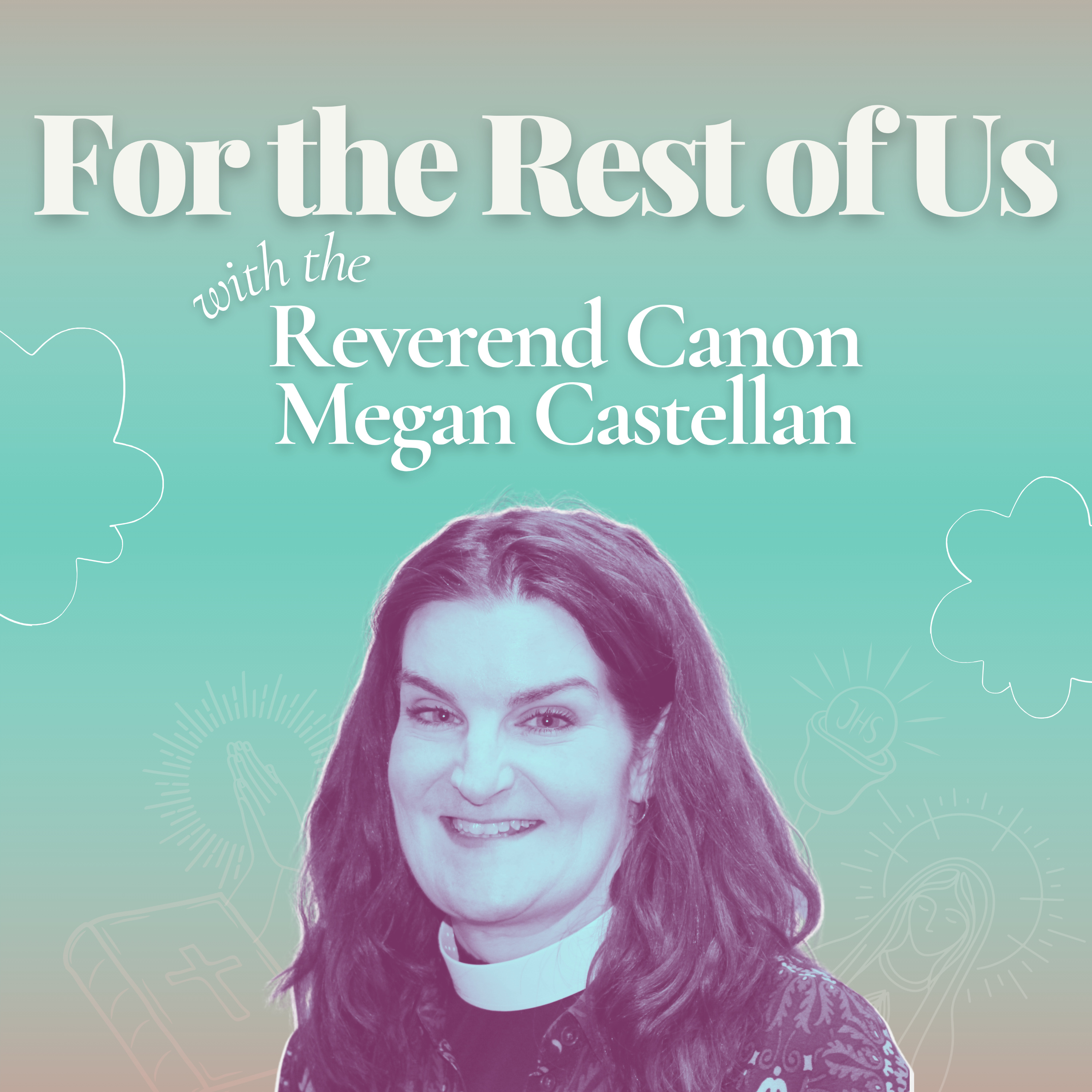
from For The Rest Of Us with the Reverend Canon Megan Castellan · host The Episcopal Diocese of Central New York
Content Warning: some of the topics discussed in this episode mention of America's history of race-based violence and may be considered graphic to some listeners. Please practice caution, especially with younger audiences.SummaryIn this episode, Megan and Adam explore the complex topic of atonement theory within Christianity, discussing various interpretations from historical figures like Anselm and Calvin to modern perspectives. They delve into the implications of these theories on the understanding of Jesus' sacrifice, the significance of Old Testament sacrifices, and the broader themes of scapegoating and mimetic desire. The conversation emphasizes the importance of gratitude in sacrifice and the hope found in the resurrection, particularly within the context of the Episcopal Church.Takeaways-Atonement theory explains how Jesus' life and death achieved salvation.-Satisfaction Theory by Anselm views God as a feudal lord needing honor.-Calvin's Penal Substitutionary Atonement emphasizes God's justice and wrath.-Old Testament sacrifices were about gratitude, not appeasing an angry God.-Christus Victor portrays Jesus as a fighter against evil and death.-Jesus as the new Adam resets the template for humanity.-Scapegoating is a cycle of violence that Jesus illustrates as fruitless.-Episcopalian views embrace multiple atonement theories without strict adherence.-Gratitude in sacrifice reflects a relationship with God, not fear of punishment.-The resurrection signifies hope and triumph over oppressive systems.Chapters00:00 Introduction to Atonement Theory02:58 Satisfaction Theory: Anselm's Perspective05:49 Penal Substitutionary Atonement: Calvin's Interpretation09:00 Old Testament Sacrifices and Their Significance11:52 The Christus Victor Theory15:03 The Role of Jesus as the New Adam17:47 Scapegoating and Mimetic Desire20:52 Episcopalian Views on Atonement23:51 The Importance of Gratitude in Sacrifice26:53 Historical Context of Atonement Theories29:47 Conclusion: Hope and ResurrectionAI Disclosure: To support our staff in their limited time, many of our episode summaries are first generated by AI and then edited by the Communications Director to accurately reflect and preview our podcast episodes.
Embed this episode
Ready to play
Megan Explains: Atonement Theory… for the rest of us!
No transcript for this episode yet
Similar Episodes
No similar episodes found.
Similar Podcasts
No similar podcasts found.