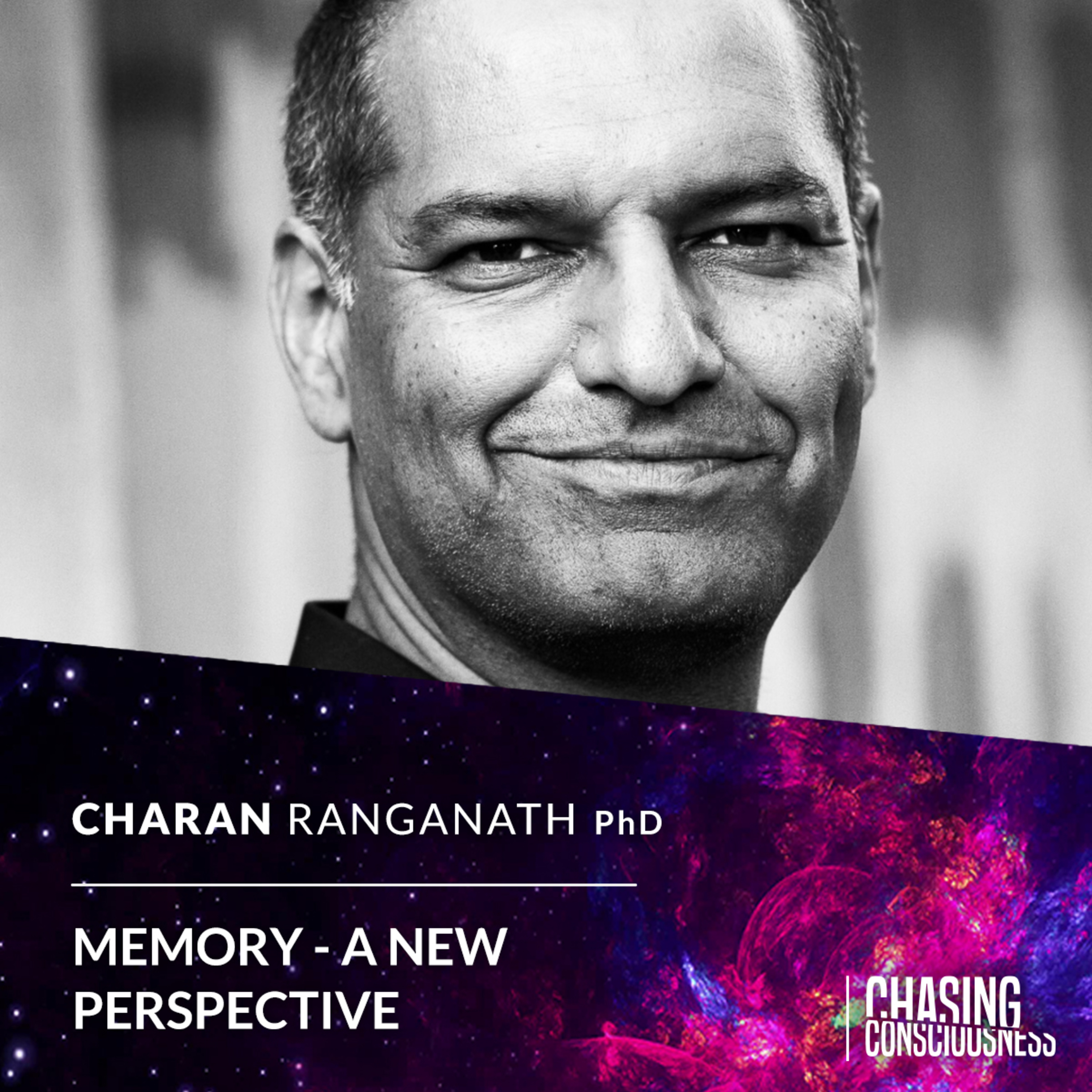
MEMORY - A NEW PERSPECTIVE - Charan Ranganath PhD #68 episode artwork

EPISODE · Mar 14, 2025 · 1H 22M

MEMORY - A NEW PERSPECTIVE - Charan Ranganath PhD #68

from Chasing Consciousness · host Freddy Drabble

Why and how do we store certain memories and not others? What lifestyle elements influence memory for better or worse? Can traumatic memories be reframed and lead to reduction in symptoms?In this episode we get into the most recent research into memory. So, how we store memory; the different types; the way we actively construct it rather than simply receiving it; it’s importance to our sense of self and framing of the world; to our attention and motivation; to our openness and updating our beliefs; and to Deja Vu. We talk about the influence of screen time and multi-tasking on memory; some unexpected life style factors that influence the quality of memory function and how they can feed into memory disorders; and we discuss traumatic memories and how we can reframe them, and the psychedelic research on that too.Fortunately, our guest is one of the world’s most fun and knowledgeable authorities on memory, psychologist, neuroscientist, and head of the dynamic memory lab at The University of California Davis, Dr. Charan Ranganath. He’s the author of over 120 scientific papers on memory and has recently released a fascinating book for the general public on all this, “Why We Remember”. Charan is also a rock guitarist with several bands so a man of many talents. What we discuss:00:00 intro. 07:20 The remembering self vs experiencing self. 09:30 We forget a lot, we’re supposed to.11:00 Autobiographic memory.13:30 Episodic memory.14:20 Emotional intensity brings attention, which is linked to motivation.18:20 Association, cue and prompts, and the hippocampus.20:30 Memory athletes and training memory.21:51 Storifcation, mental schemas and ‘scaffolding’ new memories with old blueprints.24:40 Preconceptions, bias and prejudice is baked into new memories.27:00 Imagining the past (re-membering) and imagining the future are very similar in the brain.29:15 The brain is not linear, rather a global network of dynamic interaction between brain regions simultaneously.31:29 Prediction error, goals, and memory enhancement.37:00 Dopamine drives our attention, interest and curiosity, multiplying remembering.43:20 Mental flexibility, youthful neuroplasticity, and openness to new experience.46::00 The ‘Stage of Life’ theory of memory.49:00 The young brain needs to struggle to get the information they’re curious about.50:15 Deja Vu research and familiarity.54:20 The environmental and social components of memory. 58:15 The act of remembering can change that memory.01:00:00 Collective memory - shared memories support sense of self.01:01:20 Life style factors: good for the body = good for the brain, so good for memory.01:02:00 The importance of vascular health and inflammation.01:06:30 Depression inversely correlates with memory.01:08:45 Screen time, focus and memory.01:10:20 Multi taking is actually switching, and leads to fragmented memories.01:12:30 Traumatic memories and reframing them.01:19:20 Psychedelic reframing of memories. 01:20:20 Extinction learning - learning to suppress memory prompts and re-write them.References:Charan Ranganth, “Why We Remember” Daniel Kahneman, “Thinking Fast and Slow”Hermann Ebbinghaus, “Memory: A Contribution to Experimental Psychology” 1885Endel Tulving, ‘Mental time travel’Frederic Bartlett, 1930 ‘Imagining the past and constructing the future’Mathias Gruber and Charan Ranganath, “How Curiosity Enhances Hippocampus-Dependent Memory: The Prediction, Appraisal, Curiosity, and Exploration (PACE) Framework” PaperAnne Cleary, Deja Vu experiments article

Why and how do we store certain memories and not others? What lifestyle elements influence memory for better or worse? Can traumatic memories be reframed and lead to reduction in symptoms?In this episode we get into the most recent research into memory. So, how we store memory; the different types; the way we actively construct it rather than simply receiving it; it’s importance to our sense of self and framing of the world; to our attention and motivation; to our openness and updating our beliefs; and to Deja Vu. We talk about the influence of screen time and multi-tasking on memory; some unexpected life style factors that influence the quality of memory function and how they can feed into memory disorders; and we discuss traumatic memories and how we can reframe them, and the psychedelic research on that too.Fortunately, our guest is one of the world’s most fun and knowledgeable authorities on memory, psychologist, neuroscientist, and head of the dynamic memory lab at The University of California Davis, Dr. Charan Ranganath. He’s the author of over 120 scientific papers on memory and has recently released a fascinating book for the general public on all this, “Why We Remember”. Charan is also a rock guitarist with several bands so a man of many talents. What we discuss:00:00 intro. 07:20 The remembering self vs experiencing self. 09:30 We forget a lot, we’re supposed to.11:00 Autobiographic memory.13:30 Episodic memory.14:20 Emotional intensity brings attention, which is linked to motivation.18:20 Association, cue and prompts, and the hippocampus.20:30 Memory athletes and training memory.21:51 Storifcation, mental schemas and ‘scaffolding’ new memories with old blueprints.24:40 Preconceptions, bias and prejudice is baked into new memories.27:00 Imagining the past (re-membering) and imagining the future are very similar in the brain.29:15 The brain is not linear, rather a global network of dynamic interaction between brain regions simultaneously.31:29 Prediction error, goals, and memory enhancement.37:00 Dopamine drives our attention, interest and curiosity, multiplying remembering.43:20 Mental flexibility, youthful neuroplasticity, and openness to new experience.46::00 The ‘Stage of Life’ theory of memory.49:00 The young brain needs to struggle to get the information they’re curious about.50:15 Deja Vu research and familiarity.54:20 The environmental and social components of memory. 58:15 The act of remembering can change that memory.01:00:00 Collective memory - shared memories support sense of self.01:01:20 Life style factors: good for the body = good for the brain, so good for memory.01:02:00 The importance of vascular health and inflammation.01:06:30 Depression inversely correlates with memory.01:08:45 Screen time, focus and memory.01:10:20 Multi taking is actually switching, and leads to fragmented memories.01:12:30 Traumatic memories and reframing them.01:19:20 Psychedelic reframing of memories. 01:20:20 Extinction learning - learning to suppress memory prompts and re-write them.References:Charan Ranganth, “Why We Remember” Daniel Kahneman, “Thinking Fast and Slow”Hermann Ebbinghaus, “Memory: A Contribution to Experimental Psychology” 1885Endel Tulving, ‘Mental time travel’Frederic Bartlett, 1930 ‘Imagining the past and constructing the future’Mathias Gruber and Charan Ranganath, “How Curiosity Enhances Hippocampus-Dependent Memory: The Prediction, Appraisal, Curiosity, and Exploration (PACE) Framework” PaperAnne Cleary, Deja Vu experiments article

NOW PLAYING

MEMORY - A NEW PERSPECTIVE - Charan Ranganath PhD #68

0:00 1:22:41

No transcript for this episode yet

We transcribe on demand. Request one and we'll notify you when it's ready — usually under 10 minutes.

Consciousness with Naskar Abhijit Naskar Official Podcast of Celebrated Neuroscientist, Bestselling Author and Peace Advocate Abhijit Naskar Heart Centered Revolution | Kundalini Yoga + Conscious Living Jen & Ramtin Pourvasei Welcome to the Heart Centered Revolution podcast! We are Jen and Ramtin Pourvasei, and we aim to uplift and inspire you by sharing wisdom and techniques from Kudnalini Yoga and other consciousness practices. Listen to learn tools to feel connected to your true self, and to understand what it means to be a spiritual being having a human experience. Each episode ends with a short pranayam, or breathing meditation. Learn more at www.heartcenteredrevolution.com. ChatGTM: Revolutionizing Restaurant Tech & Go-To-Market Strategies Michael Beck Welcome to ChatGTM by Ink Tank GTM, where tech innovation, strategic clarity, and caffeine-fueled chaos collide.Hosted by the dynamic duo of Michael Beck and Chad Horn, this isn’t just a podcast. It’s a pressure cooker for big ideas and practical genius. Michael is a human brainstorm in sneakers, equal parts espresso and electric current. Chad is the philosophical anchor, the strategist who makes sure the rocket ship remembers gravity.They don’t just talk shop. They crack open the engine room of business, startups, restaurants, retail, all of it and tinker until it hums. From AI-powered ordering systems to the operational alchemy that turns good ideas into great companies, this is where high-octane vision meets real-world execution.Guests? Imagine if Elon Musk and Anthony Bourdain had a dinner party. Bold thinkers, mad geniuses, and pragmatic disruptors drop in to turn conventional wisdom inside out with a wink and a war story.If you're a founder chasing scale, a builder breaking The Alchemical Cosmos Podcast Candice Tune in for profound cosmic talk with The Alchemical Cosmos Podcast. From astrology and the esoteric to consciousness and alchemy, we'll explore a range of topics all focused on self-growth and awareness with a dose of accountability.

Frequently Asked Questions

How long is this episode of Chasing Consciousness?

This episode is 1 hour and 22 minutes long.

When was this Chasing Consciousness episode published?

This episode was published on March 14, 2025.

What is this episode about?

Why and how do we store certain memories and not others? What lifestyle elements influence memory for better or worse? Can traumatic memories be reframed and lead to reduction in symptoms?In this episode we get into the most recent research into...

Can I download this Chasing Consciousness episode?

Yes, you can download this episode by clicking the download button on the episode player, or subscribe to the podcast in your preferred podcast app for automatic downloads.
URL copied to clipboard!