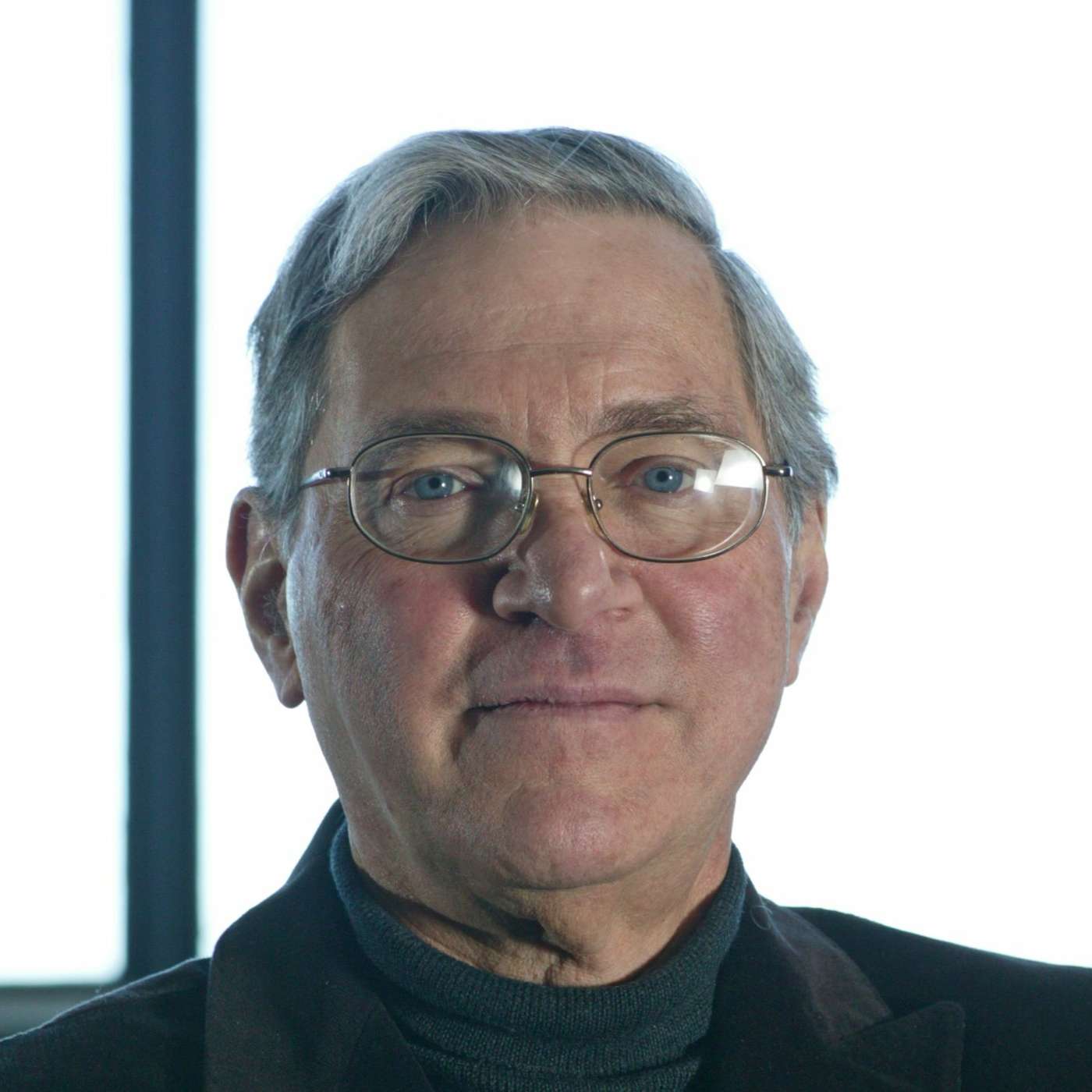
Michael Klare on the Pentagon's view of Climate Change and the Risks of State Collapse episode artwork

EPISODE · Jul 30, 2021 · 1H 35M

Michael Klare on the Pentagon's view of Climate Change and the Risks of State Collapse

from Future of Life Institute Podcast · host Gus Docker

Michael Klare, Five College Professor of Peace & World Security Studies, joins us to discuss the Pentagon's view of climate change, why it's distinctive, and how this all ultimately relates to the risks of great powers conflict and state collapse. Topics discussed in this episode include: -How the US military views and takes action on climate change -Examples of existing climate related difficulties and what they tell us about the future -Threat multiplication from climate change -The risks of climate change catalyzed nuclear war and major conflict -The melting of the Arctic and the geopolitical situation which arises from that -Messaging on climate change You can find the page for this podcast here: https://futureoflife.org/2021/07/30/michael-klare-on-the-pentagons-view-of-climate-change-and-the-risks-of-state-collapse/ Check out the video version of the episode here: https://www.youtube.com/watch?v=bn57jxEoW24 Check out Michael's website here: http://michaelklare.com/ Apply for the Podcast Producer position here: futureoflife.org/job-postings/ Have any feedback about the podcast? You can share your thoughts here: www.surveymonkey.com/r/DRBFZCT Timestamps:  0:00 Intro 2:28 How does the Pentagon view climate change and why are they interested in it? 5:30 What are the Pentagon's main priorities besides climate change? 8:31 What are the objectives of career officers at the Pentagon and how do they see climate change? 10:32 The relationship between Pentagon career officers and the Trump administration on climate change 15:47 How is the Pentagon's view of climate change unique and important? 19:54 How climate change exacerbates existing difficulties and the issue of threat multiplication 24:25 How will climate change increase the tensions between the nuclear weapons states of India, Pakistan, and China? 26:32 What happened to Tacloban City and how is it relevant? 32:27 Why does the US military provide global humanitarian assistance? 34:39 How has climate change impacted the conditions in Nigeria and how does this inform the Pentagon's perspective? 39:40 What is the ladder of escalation for climate change related issues? 46:54 What is "all hell breaking loose?" 48:26 What is the geopolitical situation arising from the melting of the Arctic? 52:48 Why does the Bering Strait matter for the Arctic? 54:23 The Arctic as a main source of conflict for the great powers in the coming years 58:01 Are there ongoing proposals for resolving territorial disputes in the Arctic? 1:01:40 Nuclear weapons risk and climate change 1:03:32 How does the Pentagon intend to address climate change? 1:06:20 Hardening US military bases and going green 1:11:50 How climate change will affect critical infrastructure 1:15:47 How do lethal autonomous weapons fit into the risks of escalation in a world stressed by climate change? 1:19:42 How does this all affect existential risk? 1:24:39 Are there timelines for when climate change induced stresses will occur? 1:27:03 Does tying existential risks to national security issues benefit awareness around existential risk? 1:30:18 Does relating climate change to migration issues help with climate messaging? 1:31:08 A summary of the Pentagon's interest, view, and action on climate change 1:33:00 Final words from Michael 1:34:33 Where to find more of Michael's work This podcast is possible because of the support of listeners like you. If you found this conversation to be meaningful or valuable, consider supporting it directly by donating at futureoflife.org/donate. Contributions like yours make these conversations possible.

Michael Klare, Five College Professor of Peace & World Security Studies, joins us to discuss the Pentagon's view of climate change, why it's distinctive, and how this all ultimately relates to the risks of great powers conflict and state collapse. Topics discussed in this episode include: -How the US military views and takes action on climate change -Examples of existing climate related difficulties and what they tell us about the future -Threat multiplication from climate change -The risks of climate change catalyzed nuclear war and major conflict -The melting of the Arctic and the geopolitical situation which arises from that -Messaging on climate change You can find the page for this podcast here: https://futureoflife.org/2021/07/30/michael-klare-on-the-pentagons-view-of-climate-change-and-the-risks-of-state-collapse/ Check out the video version of the episode here: https://www.youtube.com/watch?v=bn57jxEoW24 Check out Michael's website here: http://michaelklare.com/ Apply for the Podcast Producer position here: futureoflife.org/job-postings/ Have any feedback about the podcast? You can share your thoughts here: www.surveymonkey.com/r/DRBFZCT Timestamps:  0:00 Intro 2:28 How does the Pentagon view climate change and why are they interested in it? 5:30 What are the Pentagon's main priorities besides climate change? 8:31 What are the objectives of career officers at the Pentagon and how do they see climate change? 10:32 The relationship between Pentagon career officers and the Trump administration on climate change 15:47 How is the Pentagon's view of climate change unique and important? 19:54 How climate change exacerbates existing difficulties and the issue of threat multiplication 24:25 How will climate change increase the tensions between the nuclear weapons states of India, Pakistan, and China? 26:32 What happened to Tacloban City and how is it relevant? 32:27 Why does the US military provide global humanitarian assistance? 34:39 How has climate change impacted the conditions in Nigeria and how does this inform the Pentagon's perspective? 39:40 What is the ladder of escalation for climate change related issues? 46:54 What is "all hell breaking loose?" 48:26 What is the geopolitical situation arising from the melting of the Arctic? 52:48 Why does the Bering Strait matter for the Arctic? 54:23 The Arctic as a main source of conflict for the great powers in the coming years 58:01 Are there ongoing proposals for resolving territorial disputes in the Arctic? 1:01:40 Nuclear weapons risk and climate change 1:03:32 How does the Pentagon intend to address climate change? 1:06:20 Hardening US military bases and going green 1:11:50 How climate change will affect critical infrastructure 1:15:47 How do lethal autonomous weapons fit into the risks of escalation in a world stressed by climate change? 1:19:42 How does this all affect existential risk? 1:24:39 Are there timelines for when climate change induced stresses will occur? 1:27:03 Does tying existential risks to national security issues benefit awareness around existential risk? 1:30:18 Does relating climate change to migration issues help with climate messaging? 1:31:08 A summary of the Pentagon's interest, view, and action on climate change 1:33:00 Final words from Michael 1:34:33 Where to find more of Michael's work This podcast is possible because of the support of listeners like you. If you found this conversation to be meaningful or valuable, consider supporting it directly by donating at futureoflife.org/donate. Contributions like yours make these conversations possible.

NOW PLAYING

Michael Klare on the Pentagon's view of Climate Change and the Risks of State Collapse

0:00 1:35:14

No transcript for this episode yet

We transcribe on demand. Request one and we'll notify you when it's ready — usually under 10 minutes.

Ask A Spaceman Archives - 365 Days of Astronomy Ask A Spaceman Archives - 365 Days of Astronomy Podcasting Astronomy Every Day of the Year Eat to Live Jenna Fuhrman, Dr. Fuhrman Our health is our most precious gift and smart nutrition can change your life. Each month, join Dr. Fuhrman and his daughter, Jenna Fuhrman as they discuss important topics in the world of nutrition. Eat to Live will change the way you eat and think about food. French Your Way Jessica: Native French teacher founder of French Your Way Boost your French listening skills and test your comprehension with this one of a kind series of podcasts. Get the chance to listen to a real conversation between native speakers talking at normal speed AND customise your learning experience through carefully designed sets of questions (2 levels of difficulty) available for download at www.frenchvoicespodcast.com. All interviews also come with the transcript. French teacher Jessica interviews native speakers of French from around the world who share a bit of their life and passion. Where else would you meet in one same place a French yoga teacher based in Melbourne, a soap manufacturer from Provence, or a couple cycling around the world? That Hoarder: Overcome Compulsive Hoarding That Hoarder Hoarding disorder is stigmatised and people who hoard feel vast amounts of shame. This podcast began life as an audio diary, an anonymous outlet for somebody with this weird condition. That Hoarder speaks about her experiences living with compulsive hoarding, she interviews therapists, academics, researchers, children of hoarders, professional organisers and influencers, and she shares insight and tips for others with the problem. Listened to by people who hoard as well as those who love them and those who work with them, Overcome Compulsive Hoarding with That Hoarder aims to shatter the stigma, share the truth and speak openly and honestly to improve lives.

Frequently Asked Questions

How long is this episode of Future of Life Institute Podcast?

This episode is 1 hour and 35 minutes long.

When was this Future of Life Institute Podcast episode published?

This episode was published on July 30, 2021.

What is this episode about?

Michael Klare, Five College Professor of Peace & World Security Studies, joins us to discuss the Pentagon's view of climate change, why it's distinctive, and how this all ultimately relates to the risks of great powers conflict and state collapse. ...

Can I download this Future of Life Institute Podcast episode?

Yes, you can download this episode by clicking the download button on the episode player, or subscribe to the podcast in your preferred podcast app for automatic downloads.
URL copied to clipboard!