
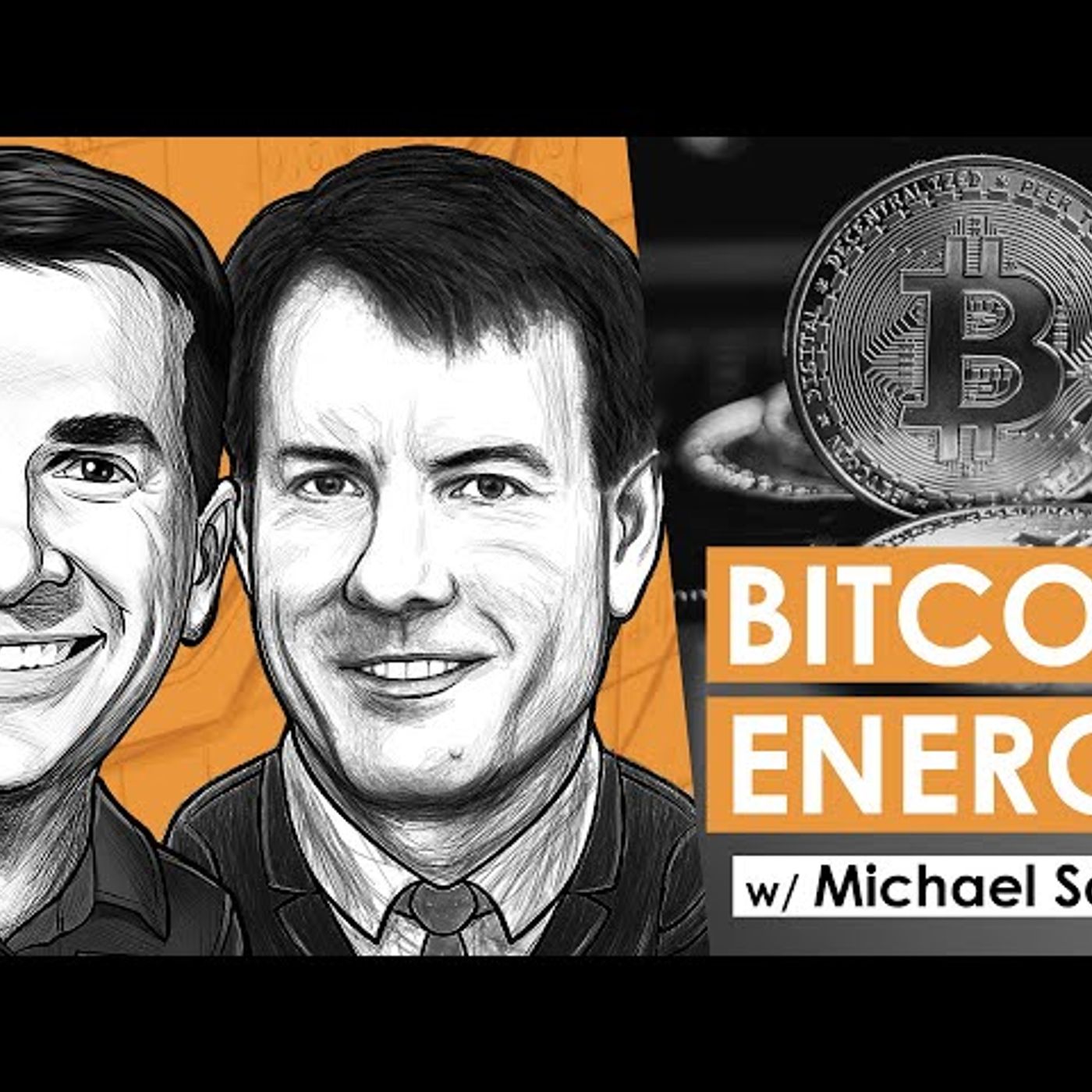
EPISODE · Feb 19, 2024 · 4 MIN
Michael Saylor's Deep-Dive on Bitcoin Energy Misconceptions (BTC099)
from Higher Signal: Get Smarter. Faster. · host Higher Signal
Summary:1. The Transcript discusses the relationship between Bitcoin, energy consumption, and the misconceptions surrounding the proof of work (PoW) system.2. Michael Saylor addresses the nature of Bitcoin’s energy use and counters the idea that the energy expended on Bitcoin mining is wasteful, instead presenting it as a type of digital energy transformation.3. The conversation covers the importance of a scarce, energy-backed currency to tether economic systems to a non-manipulatable reality, contrasting heavily with the current fiat system.4. Saylor highlights the superiority of Bitcoin as a sound monetary system because of its capped supply and decentralized nature, transcending political and corporate controls.5. The idea that Bitcoin mining can actually strengthen energy grids and contribute positively to Environmental, Social, and Governance (ESG) initiatives by monetizing stranded and waste energy is discussed.6. The potential for Bitcoin to solve substantial economic and social issues through a new equitable and rational economic system is stressed, with Saylor advocating for Bitcoin as the foundation for future societal infrastructure.7. The principles of thermodynamics and conservation of energy are central to the conversation, with nods to how traditional systems and commodities like steel have advanced human civilization.8. The Transcript concludes with an optimism for Bitcoin's role in rectifying the instabilities in the current global economic system, which is held back by uncontrolled fiat currency inflation.Key Questions Answered:- How does Bitcoin use energy to tether itself to reality? Bitcoin uses energy in the form of electricity to power the PoW algorithm, which establishes a cost to creating each Bitcoin, making it scarce and tying it to the reality of energy consumption.- Why is a scarce currency important? A scarce currency provides a consistent store of value, avoiding the issues of "invisible" inflation and devaluation caused by overproduction of a non-scarce currency. This is paramount for rational economic planning and value conservation over time.- What are the key advantages of Bitcoin over other cryptocurrencies, particularly Proof of Stake systems? Bitcoin's decentralized nature, with energy-intensive PoW, ensures no single entity can control or manipulate it. It also has a fixed supply cap of 21 million coins, unlike other cryptocurrencies that might not have hard caps or are more centralized, potentially being classified as securities rather than commodities.- How can Bitcoin mining improve energy grid stability? Bitcoin mining can serve as a flexible load for energy grids, meaning it can consume excess energy when supply outstrips demand and reduce energy consumption when demand peaks. This can result in a more balanced and stable energy grid.- In what ways can Bitcoin address ESG concerns? Bitcoin promotes environmental initiatives by incentivizing renewable energy and waste energy utilization, supports societal benefits through financial inclusion and empowerment, and maintains strong governance due to its decentralized and open-source nature.Core Takeaway:The core problem described is the instability and inefficiencies of the current global financial system plagued by uncontrolled inflation and lack of a stable, universally accepted medium of exchange. This instability leads to economic uncertainty, social unrest, and a breakdown in both domestic and international cooperation.The consequences of not addressing this problem are further economic crises, social disorder, and potential collapse of traditional economic structures.The top three key new ideas to address the problem are:1. Ushering in Bitcoin as the foundational digital asset for global economic systems due to its scarcity, energy-backed nature, and ability to transcend political and corporate influence.2. Utilization of Bitcoin's PoW mining to reinforce energy grids, making use of excess and renewable energies, thereby creating a more sustainable and resilient infrastructure.3. Adoption of Bitcoin as a universal monetary standard to facilitate global trade and exchange, enabling rational economic decisions and long-term planning across political and geographic borders.
Embed this episode
NOW PLAYING
Michael Saylor's Deep-Dive on Bitcoin Energy Misconceptions (BTC099)
No transcript for this episode yet
Similar Episodes
No similar episodes found.
Similar Podcasts
No similar podcasts found.