
EPISODE · Feb 28, 2026 · 38 MIN
Micro 61: Antifungal Agents
from Clinical Deep Dives · host Dr Manaan Kar Ray
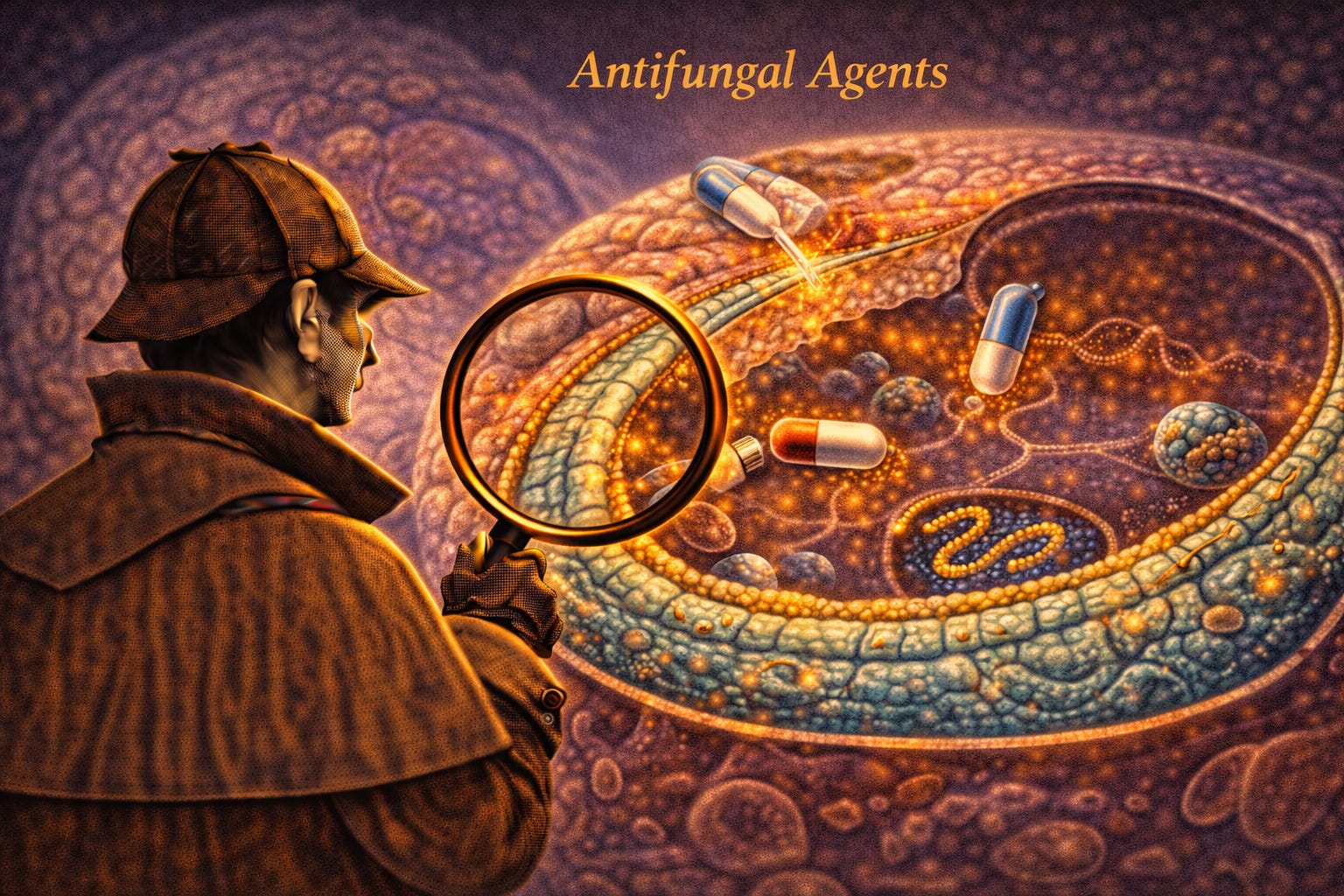
This episode explores antifungal pharmacology within the structural complexity of eukaryotic pathogens. Drawing from Murray’s Chapter 61, it examines how therapeutic strategy is shaped by the similarities between fungal and human cells.Because fungi are eukaryotic, drug selectivity must target features unique to fungal biology. The episode organises antifungal agents by mechanism:* Polyenes (e.g., amphotericin B) - bind ergosterol and disrupt membranes* Azoles - inhibit ergosterol synthesis* Echinocandins - inhibit β-glucan synthesis in the fungal cell wall* Flucytosine - interferes with nucleic acid synthesis* Allylamines - inhibit early steps in ergosterol productionTherapeutic choice depends on:* Site of infection* Host immune status* Fungal species* Drug toxicity profileConceptually, antifungal therapy is a balancing act between efficacy and host safety. Clinically, early targeted therapy is essential in invasive infections.Key Takeaways* Fungal therapy targets ergosterol and cell wall components* Eukaryotic similarity limits drug selectivity* Echinocandins target β-glucan synthesis* Amphotericin B disrupts fungal membranes* Drug selection depends on host and infection site This is a public episode. If you'd like to discuss this with other subscribers or get access to bonus episodes, visit drmanaankarray.substack.com/subscribe
Embed this episode
Ready to play
Micro 61: Antifungal Agents
No transcript for this episode yet
Similar Episodes
No similar episodes found.
Similar Podcasts
No similar podcasts found.