Mitch McConnell's story keeps changing
from Systemic Error Podcast Hosted by Paulo Santos
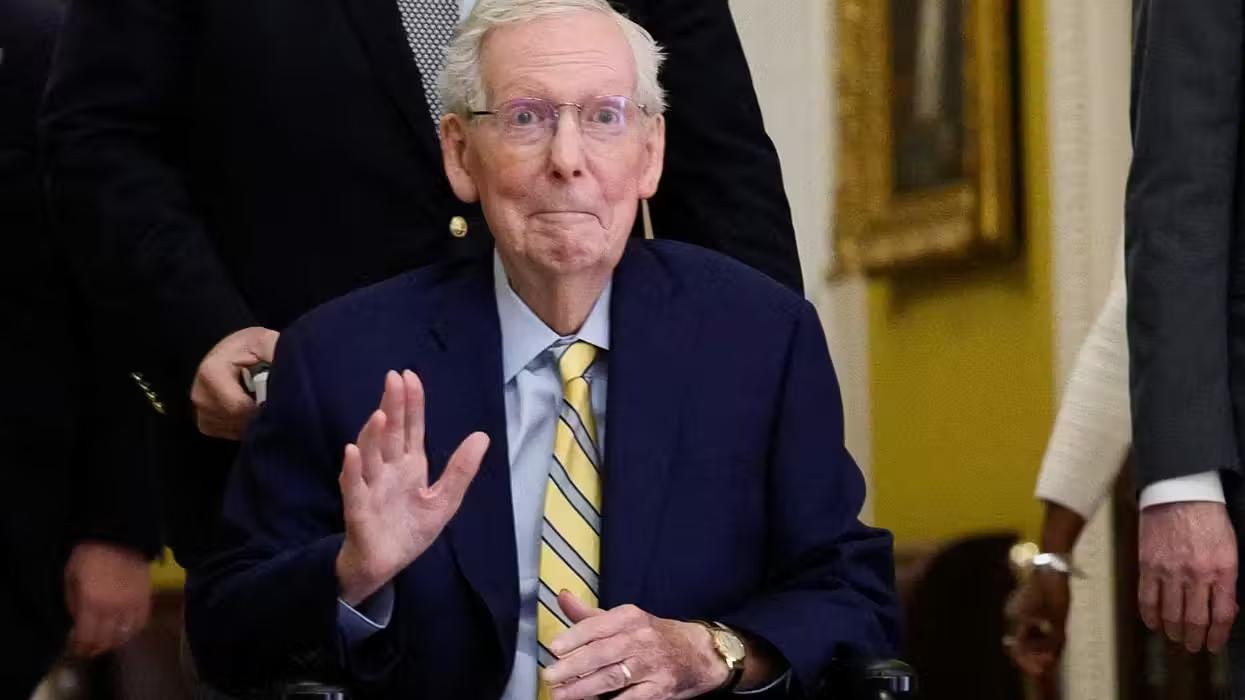
REUTERS/Evan Vucci A Senate Seat Is Not a Medical Privacy Shield The Return Without Answers Mitch McConnell returned to the Senate after a 92-day public absence, attributed at different points to a “bad fall” and a mild case of pneumonia. He declined questions, barred recording of his remarks, joked about evasion, and announced that he was ready to work on the farm bill. His reappearance settled only one fact: he was physically present again. Power Stayed in McConnell’s Office The central issue is not that an elderly senator became ill. It is that McConnell and his staff controlled what the public could know about whether Kentucky’s senator remained capable of performing his duties. Help fuel the work. Independent analysis doesn’t fund itself:☕ Buy us a coffee McConnell held the office throughout his absence. His staff retained the authority, access, and public funding attached to it. Neither conflicting explanations nor months outside public view triggered a transparent accounting of his condition or work. The institution treated disclosure as his choice because the Senate largely allows its members to police themselves. That is actual power: not merely collecting a salary, but deciding whether constituents receive evidence that their representation remains functional. Evasion Was a Decision The reporting describes McConnell’s health explanations as confusing. That language is too forgiving. Confusion can be accidental; refusing questions and preventing reporters from recording remarks are deliberate choices. McConnell’s joke about “dodging” reporters did not resolve the contradiction between the fall and pneumonia accounts. It converted an accountability failure into Washington banter. The performance invited journalists to treat concealment as a personality trait rather than an exercise of institutional privilege. His communications operation also had agency. Senior aides were not passive observers of a “PR disaster.” They administered a publicly funded Senate office while releasing information that failed to establish what duties McConnell could perform during his absence. The Payroll Is Not the Scandal The Daily Beast calculated that McConnell received $43,500 during the 92 days and that his roughly 40-person staff received about $893,872. Those figures are politically potent, but they can also misdirect blame. Congressional employees do not become undeserving of pay because their employer disappears from public view. Staff may continue constituent services and legislative work during a senator’s illness. The source provides no evidence that they stopped working. The sharper question is why taxpayers financed an office whose leadership would not provide a clear account of the elected official at its center. The problem is not that employees were paid. It is that public money sustained a structure of secrecy without producing public accountability. Kentucky Had No Practical Leverage Calls for Governor Andy Beshear to demand proof of life or pursue a special election dramatized public frustration, but they also shifted attention toward an actor who did not create the situation. McConnell had not vacated the seat. His office, Senate colleagues, and party allies enabled the arrangement by accepting prolonged absence and controlled disclosure as sufficient. This is how powerful institutions protect incumbency: responsibility becomes diffuse precisely where authority is concentrated. A governor is urged to solve a problem maintained by a senator’s refusal and the Senate’s tolerance. Incumbency Without Accountability McConnell’s return exposes a broader political design. Senior officeholders can preserve power through staff, procedure, and party loyalty even when their capacity to exercise it becomes uncertain. The public is offered fragments, jokes, and carefully managed appearances while the machinery of office continues uninterrupted. That is not merely gerontocracy. It is institutional cowardice organized around incumbency. The Senate protects the officeholder first, leaves constituents to speculate, and then treats physical reappearance as an adequate substitute for an answer. Thanks to Alter Net Source: Mitch McConnell’s story keeps changing Systemic Error is a reader-supported publication. To receive new posts and support my work, consider becoming a free or paid subscriber. This is a public episode. If you'd like to discuss this with other subscribers or get access to bonus episodes, visit paulstsmith.substack.com/subscribe
Embed this episode
No transcript yet.