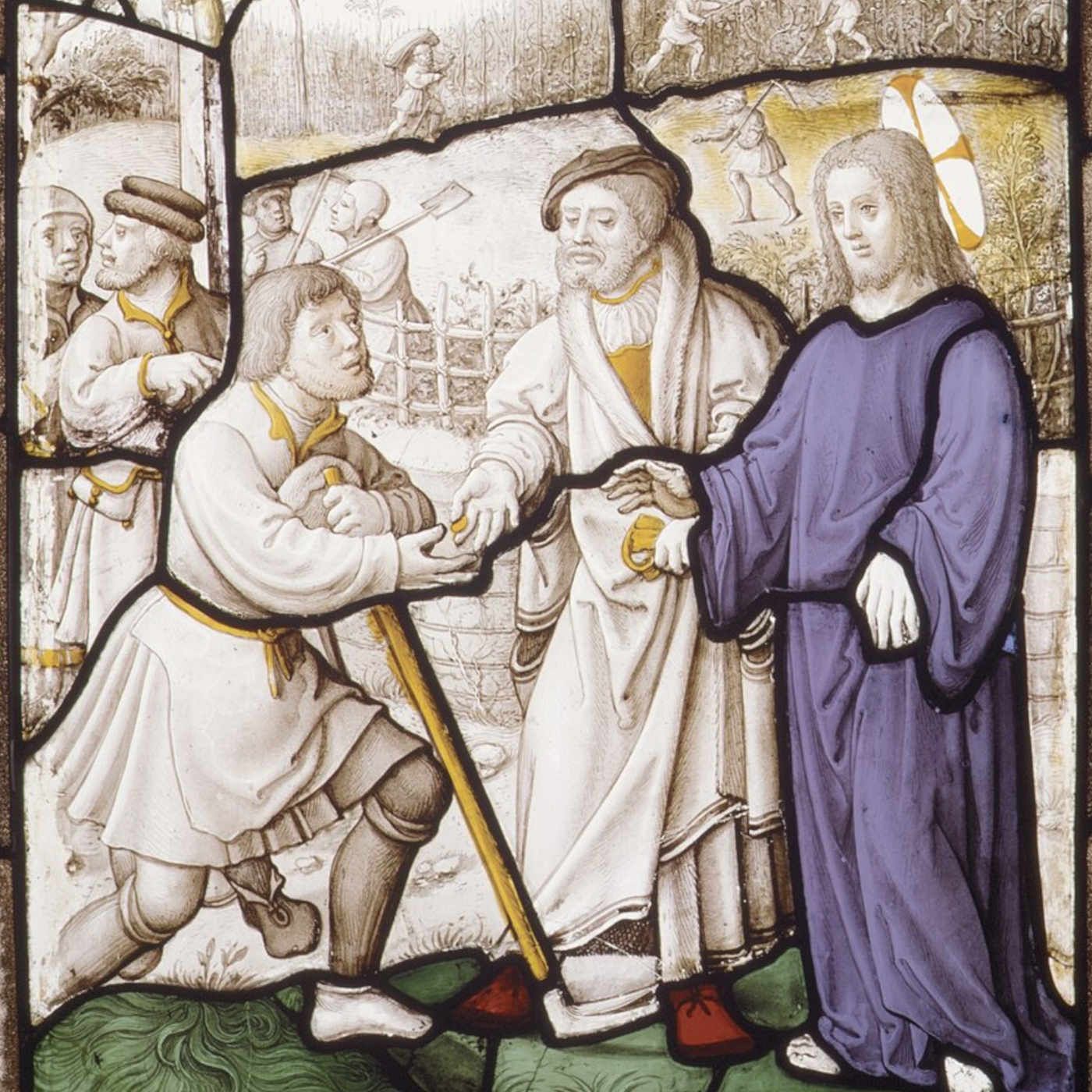
Monday of the Ninth Week in Ordinary Time - Rejection Transformed episode artwork

EPISODE · May 31, 2026 · 6 MIN

Monday of the Ninth Week in Ordinary Time - Rejection Transformed

from Catholic Daily Reflections · host My Catholic Life!

Read OnlineJesus began to speak to the chief priests, the scribes, and the elders in parables. “A man planted a vineyard, put a hedge around it, dug a wine press, and built a tower. Then he leased it to tenant farmers and left on a journey. At the proper time he sent a servant to the tenants to obtain from them some of the produce of the vineyard.” Mark 12:10–12Today’s Gospel takes place during the Passover at the Temple in Jerusalem, just days before Jesus’ Passion and Death. The chief priests, scribes, and elders of the people were outraged and wanted to put Jesus to death, but they feared the people who were hanging on His every word.In today’s parable, the “vineyard” is a biblical metaphor for Israel. The Prophet Isaiah chastised the people of Israel for being like a fruitless vineyard, and Jesus’ parable would have been immediately understood by His audience as a reference to that prophecy (cf. Isaiah 5:1–7). Fearlessly yet mercifully, Jesus brings this metaphor to life, applying it directly to Israel and the religious leaders who were present and plotting His death.Jesus’ parable teaches that God is the owner of the vineyard and has provided everything necessary for it to flourish: the hedge for protection, the wine press for fruitfulness, and the tower for vigilance. These symbolize God’s providence, blessings, and the spiritual resources given to His chosen people to bear fruit. The tenant farmers, to whom the vineyard is leased, represent Israel’s leaders, who were entrusted with shepherding God’s people.The servants sent by the owner symbolize the Old Testament prophets, whom God sent to call the people of Israel to repentance and fidelity. These prophets were often rejected, mistreated, or killed by Israel’s leaders—a sobering reminder of humanity’s resistance to God’s call throughout history, and our resistance to His grace today.The beloved son represents Jesus Himself, sent by the Father in a final appeal for repentance. However, the tenants of Israel—now referring to the chief priests, scribes, and elders before Him—plot to kill the son, mistakenly believing they can maintain their control over the Jewish people. Their envy and pride blind them to their God-given responsibilities within the community and their duty to accept Jesus as the Messiah.Though tensions were high and anger filled the hearts of the religious leaders, Jesus spoke boldly. While the people were amazed at His authority and teaching, they were likely uncertain and fearful of what might happen next.Most people in Jesus’ position, risking their lives as our Lord was, would quickly become worried for their own safety. Jesus was not. He knew the Father’s will and the eternal value that would come from His Passion and Death. For that reason, He quotes Psalm 118:22–23: “The stone the builders rejected has become the cornerstone. By the LORD has this been done; it is wonderful in our eyes.”Jesus knew that He was about to be rejected: betrayed, falsely accused, arrested, tortured, and killed. Yet He also knew that He was the fulfillment of Psalm 118. He was the “stone” that, once rejected, would become the “cornerstone” of the Church and the New Covenant of grace. With this divine hope and mission in mind, Jesus didn’t run and hide; He confronted rejection directly. He knew that His rejection would transform the worst—the murder of the Son of God—into the best—salvation for all who believe in Him and repent. Reflect today on Jesus’ courage during that sermon as He foresaw all that would unfold that week. While we might expect such courage from the Son of God, He invites us to imitate Him. Every evil that befalls us has the potential, through grace, to become part of that cornerstone. As members of Christ’s Body, the Church, we are called to courageously allow grace to transform our own rejections and sufferings in Christ. In doing so, the foundation of Christ’s Church continues to be made manifest in our world today through us. My Lord, the Cornerstone of the Church, You willingly accepted and endured rejection, transforming it into the means of our eternal salvation. Grant me the courage to not only imitate You but to embrace and share in Your rejection. May my own experiences of rejection be transformed by grace into a foundation for faith in our world today. Jesus, I trust in You.  Image: Jan Rombouts I, CC0, via Wikimedia CommonsSource: Free RSS feed from catholic-daily-reflections.com — Copyright © 2026 My Catholic Life! Inc. All rights reserved. This content is provided solely for personal, non-commercial use. Redistribution, republication, or commercial use — including use within apps with advertising — is strictly prohibited without written permission.

Read OnlineJesus began to speak to the chief priests, the scribes, and the elders in parables. “A man planted a vineyard, put a hedge around it, dug a wine press, and built a tower. Then he leased it to tenant farmers and left on a journey. At the proper time he sent a servant to the tenants to obtain from them some of the produce of the vineyard.” Mark 12:10–12Today’s Gospel takes place during the Passover at the Temple in Jerusalem, just days before Jesus’ Passion and Death. The chief priests, scribes, and elders of the people were outraged and wanted to put Jesus to death, but they feared the people who were hanging on His every word.In today’s parable, the “vineyard” is a biblical metaphor for Israel. The Prophet Isaiah chastised the people of Israel for being like a fruitless vineyard, and Jesus’ parable would have been immediately understood by His audience as a reference to that prophecy (cf. Isaiah 5:1–7). Fearlessly yet mercifully, Jesus brings this metaphor to life, applying it directly to Israel and the religious leaders who were present and plotting His death.Jesus’ parable teaches that God is the owner of the vineyard and has provided everything necessary for it to flourish: the hedge for protection, the wine press for fruitfulness, and the tower for vigilance. These symbolize God’s providence, blessings, and the spiritual resources given to His chosen people to bear fruit. The tenant farmers, to whom the vineyard is leased, represent Israel’s leaders, who were entrusted with shepherding God’s people.The servants sent by the owner symbolize the Old Testament prophets, whom God sent to call the people of Israel to repentance and fidelity. These prophets were often rejected, mistreated, or killed by Israel’s leaders—a sobering reminder of humanity’s resistance to God’s call throughout history, and our resistance to His grace today.The beloved son represents Jesus Himself, sent by the Father in a final appeal for repentance. However, the tenants of Israel—now referring to the chief priests, scribes, and elders before Him—plot to kill the son, mistakenly believing they can maintain their control over the Jewish people. Their envy and pride blind them to their God-given responsibilities within the community and their duty to accept Jesus as the Messiah.Though tensions were high and anger filled the hearts of the religious leaders, Jesus spoke boldly. While the people were amazed at His authority and teaching, they were likely uncertain and fearful of what might happen next.Most people in Jesus’ position, risking their lives as our Lord was, would quickly become worried for their own safety. Jesus was not. He knew the Father’s will and the eternal value that would come from His Passion and Death. For that reason, He quotes Psalm 118:22–23: “The stone the builders rejected has become the cornerstone. By the LORD has this been done; it is wonderful in our eyes.”Jesus knew that He was about to be rejected: betrayed, falsely accused, arrested, tortured, and killed. Yet He also knew that He was the fulfillment of Psalm 118. He was the “stone” that, once rejected, would become the “cornerstone” of the Church and the New Covenant of grace. With this divine hope and mission in mind, Jesus didn’t run and hide; He confronted rejection directly. He knew that His rejection would transform the worst—the murder of the Son of God—into the best—salvation for all who believe in Him and repent. Reflect today on Jesus’ courage during that sermon as He foresaw all that would unfold that week. While we might expect such courage from the Son of God, He invites us to imitate Him. Every evil that befalls us has the potential, through grace, to become part of that cornerstone. As members of...

NOW PLAYING

Monday of the Ninth Week in Ordinary Time - Rejection Transformed

0:00 6:43

No transcript for this episode yet

We transcribe on demand. Request one and we'll notify you when it's ready — usually under 10 minutes.

Christadelphian Encouragements CE.captivate.fm Christadelphian Encouragements provides sermons, exhortations, bible studies, memorials, and daily readings from around the world. Please visit ChristadelphianEncouragements.Com and our content creators websites for more information and Christian audio content. LE HAWKESBURY SOCIAL ’BACK TO LIFE’ ADAM STACEY Welcome to the ‘Le Hawkesbury Social’, 'Back to Life’ a space where we celebrate life in all its colors: happiness, joy, love, connection, and even the moments of sadness that make us human. A space where we celebrate life in all its colors: happiness, joy, love, connection, and even the moments of sadness that make us human. Hosted by a passionate mental health advocate, this show dives deep into the topics that truly matter to today’s culture and community. Each episode offers honest conversations, thoughtful reflections, and real stories that bring people together. Whether you’re here for mental health discussions, community connections, or just looking to feel seen and heard in a fast-paced world, you’re in the right place. Adam believes in building a diverse and inclusive community where voices from every background can come together, share, and support one another. That’s why every Wellness Podcast, we open the mic to local community partners, support services, and inspiring voi Westenberg Joan Westenberg The Westenberg Podcast offers ideas, explainers, book notes, and reflections on technology, philosophy, and the human experience. Hosted by Joan Westenberg, each episode unpacks complex topics with clarity and depth, blending personal insights with thought-provoking analysis. It’s a space for exploring big questions and fresh perspectives in an accessible format. Gooday Gaming Guests FFF Gaming Emporium These are my Daily Messages in a Bottle sent over the internet Ocean for anyone to find. Listen to a Quick 20-minute Journey into my Life's Passions Work a Few Times a Day. I am 57. I Grew Up on All Gaming and Computing. I am a Seller of Gaming Parts on eBay and Etsy. In the past 8 years, I have learned about every system ever made. I am also an Enthusiast, Collector and Hobbyist of all Vintage Computing from the Very Beginning. In the last Few Years, I have been sharing my knowledge with others on YouTube, TikTok and Now this Pod Cast.See where all the Magic Happens:FFF Gaming Emporium | eBay Storeshttps://www.youtube.com/channel/UCDrdCmDQ52AsCWTWAhE7JEQ/<a target="_blank" rel="noopener noreferrer nofollow" href="https://www

Frequently Asked Questions

How long is this episode of Catholic Daily Reflections?

This episode is 6 minutes long.

When was this Catholic Daily Reflections episode published?

This episode was published on May 31, 2026.

What is this episode about?

Read OnlineJesus began to speak to the chief priests, the scribes, and the elders in parables. “A man planted a vineyard, put a hedge around it, dug a wine press, and built a tower. Then he leased it to tenant farmers and left on a journey. At the...

Can I download this Catholic Daily Reflections episode?

Yes, you can download this episode by clicking the download button on the episode player, or subscribe to the podcast in your preferred podcast app for automatic downloads.
URL copied to clipboard!