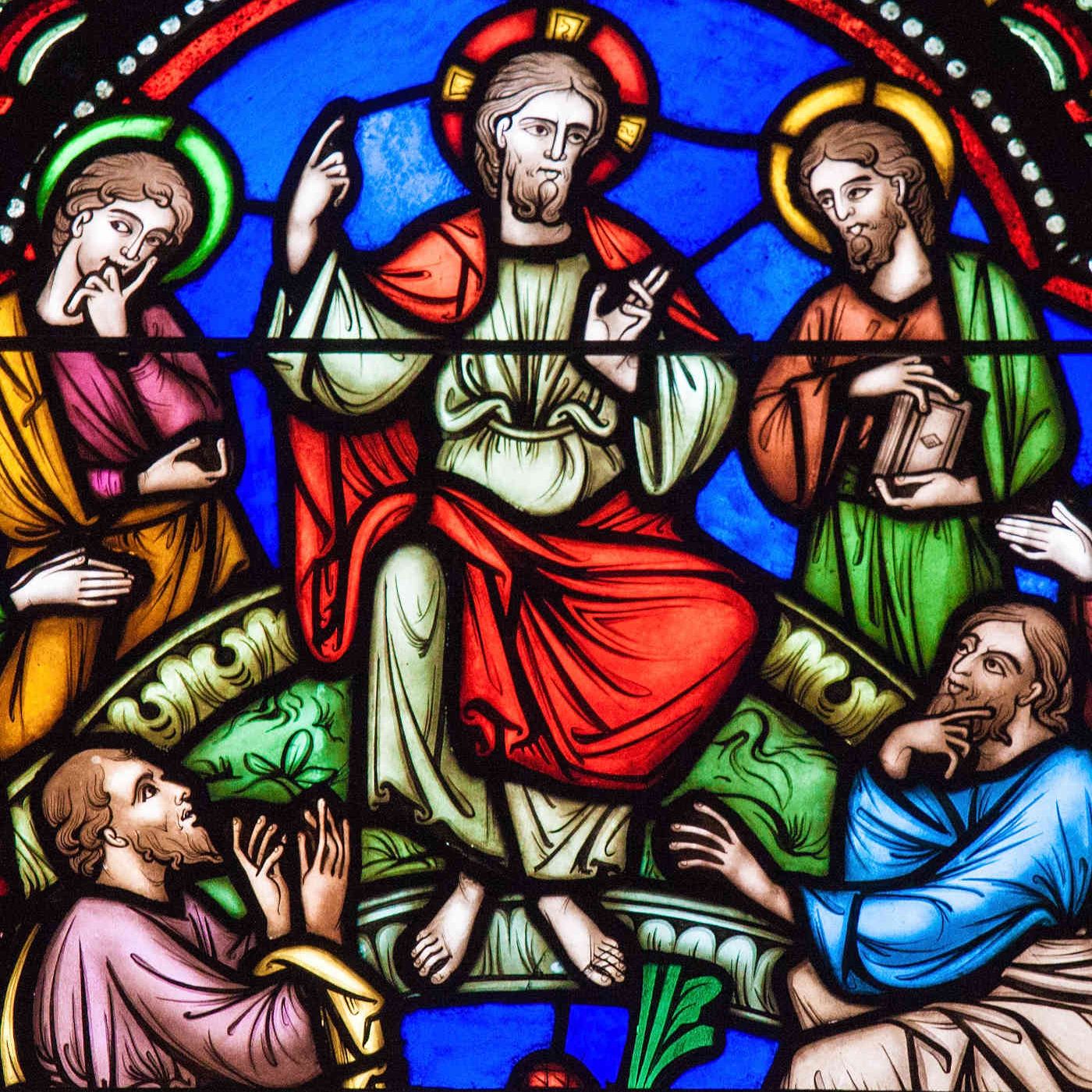
Monday of the Second Week of Ordinary Time - The Value of Fasting episode artwork

EPISODE · Jan 18, 2026 · 7 MIN

Monday of the Second Week of Ordinary Time - The Value of Fasting

from Catholic Daily Reflections · host My Catholic Life!

Read OnlineThe disciples of John and of the Pharisees were accustomed to fast. People came to Jesus and objected, “Why do the disciples of John and the disciples of the Pharisees fast, but your disciples do not fast?” Jesus answered them, “Can the wedding guests fast while the bridegroom is with them?” Mark 2:18–19Fasting was common in Old Testament times. Its purpose was to express repentance, mourning, or preparation for divine intervention. This was especially true among John the Baptist’s disciples who fasted in response to John’s call to repentance and preparation for the coming of the Messiah.Though the Pharisees fasted, their fasting was often for show, to illustrate a false piety. Recall the Pharisee’s prayer in the Parable of the Pharisee and the Tax Collector: “The Pharisee took up his position and spoke this prayer to himself, ‘O God, I thank you that I am not like the rest of humanity—greedy, dishonest, adulterous—or even like this tax collector. I fast twice a week, and I pay tithes on my whole income’” (Luke 18:11–12). In today’s Gospel, Jesus explains that His disciples do not fast now, but that a day is coming when they will need to fast. Jesus explains this within the context of revealing His divine identity as the Bridegroom of God’s people.Through the prophets, God often described His relationship with His people in terms of a marriage covenant. Isaiah said, “For your husband is your Maker; the LORD of hosts is his name, Your redeemer, the Holy One of Israel, called God of all the earth” (Isaiah 54:5). Hosea prophesied, “I will betroth you to me forever: I will betroth you to me with justice and with judgment, with loyalty and with compassion…” (Hosea 2:22–23).While Jesus, the Bridegroom, was with them physically, His disciples were at their wedding banquet, celebrating the new marriage covenant God was establishing with them. It was inappropriate to fast at such a banquet. However, “the days will come when the bridegroom is taken away from them, and then they will fast on that day” (Mark 2:20). This is a reference to Jesus’ Passion, Death, and Ascension. He prophesied that once the New Marital Covenant was sealed in His Blood and His earthly mission completed, “they will fast on that day.” That day is today!In the early Church, fasting was also common: “While they were worshiping the Lord and fasting, the holy Spirit said, ‘Set apart for me Barnabas and Saul for the work to which I have called them.’ Then, completing their fasting and prayer, they laid hands on them and sent them off” (Acts 13:2–3). In this instance, fasting helped the teachers and prophets in Antioch discern Saul and Barnabas’ mission in preparation for sending them forth.Today, Jesus not only calls us to regular forms of fasting and mortification, doing so is an essential part of our spiritual journey. This teaching is clear in the New Testament. For example, at the beginning of Jesus’ ministry He entered the desert and “fasted for forty days and forty nights” (Matthew 4:2). This models for us the value of fasting as we attempt to fulfill our missions and overcome the temptations of the evil one.If we want to imitate our Lord, deepen our covenantal bond with Him, and further His mission, then we must regularly fast. Though fasting is only required twice a year—on Ash Wednesday and Good Friday—we are encouraged to do so weekly, especially on Fridays, uniting this practice to our prayer life. Reflect today on your practice of fasting and other forms of regular mortification. Fasting is an interior discipline that unites us to the suffering Christ and prepares our hearts to receive His abundant grace. By helping us overcome the enticements of the flesh and distractions of this world, fasting refocuses our souls on the eternal wedding feast that awaits us in Heaven. Embrace fasting not as a burden, but as a joyful opportunity to grow in holiness, deepen your covenantal relationship with the Bridegroom, and prepare more fully for the mission on which He sends you.My Lord and Bridegroom, through the shedding of Your Blood, You have established a New Covenant of love and salvation with me. I long to deepen this covenant and remain faithful to the mission You have entrusted to me. When I am tempted by the disorder of my appetites or distracted by the allurements of the world, remind me of the necessity and grace of fasting. Help me to embrace this holy practice with joyful anticipation of its spiritual rewards and with greater trust in Your providence. Jesus, I trust in You.Image via Adobe Stock Source of content: catholic-daily-reflections.comCopyright © 2026 My Catholic Life! Inc. All rights reserved. Used with permission via RSS feed.

Read OnlineThe disciples of John and of the Pharisees were accustomed to fast. People came to Jesus and objected, “Why do the disciples of John and the disciples of the Pharisees fast, but your disciples do not fast?” Jesus answered them, “Can the wedding guests fast while the bridegroom is with them?” Mark 2:18–19Fasting was common in Old Testament times. Its purpose was to express repentance, mourning, or preparation for divine intervention. This was especially true among John the Baptist’s disciples who fasted in response to John’s call to repentance and preparation for the coming of the Messiah.Though the Pharisees fasted, their fasting was often for show, to illustrate a false piety. Recall the Pharisee’s prayer in the Parable of the Pharisee and the Tax Collector: “The Pharisee took up his position and spoke this prayer to himself, ‘O God, I thank you that I am not like the rest of humanity—greedy, dishonest, adulterous—or even like this tax collector. I fast twice a week, and I pay tithes on my whole income’” (Luke 18:11–12). In today’s Gospel, Jesus explains that His disciples do not fast now, but that a day is coming when they will need to fast. Jesus explains this within the context of revealing His divine identity as the Bridegroom of God’s people.Through the prophets, God often described His relationship with His people in terms of a marriage covenant. Isaiah said, “For your husband is your Maker; the LORD of hosts is his name, Your redeemer, the Holy One of Israel, called God of all the earth” (Isaiah 54:5). Hosea prophesied, “I will betroth you to me forever: I will betroth you to me with justice and with judgment, with loyalty and with compassion…” (Hosea 2:22–23).While Jesus, the Bridegroom, was with them physically, His disciples were at their wedding banquet, celebrating the new marriage covenant God was establishing with them. It was inappropriate to fast at such a banquet. However, “the days will come when the bridegroom is taken away from them, and then they will fast on that day” (Mark 2:20). This is a reference to Jesus’ Passion, Death, and Ascension. He prophesied that once the New Marital Covenant was sealed in His Blood and His earthly mission completed, “they will fast on that day.” That day is today!In the early Church, fasting was also common: “While they were worshiping the Lord and fasting, the holy Spirit said, ‘Set apart for me Barnabas and Saul for the work to which I have called them.’ Then, completing their fasting and prayer, they laid hands on them and sent them off” (Acts 13:2–3). In this instance, fasting helped the teachers and prophets in Antioch discern Saul and Barnabas’ mission in preparation for sending them forth.Today, Jesus not only calls us to regular forms of fasting and mortification, doing so is an essential part of our spiritual journey. This teaching is clear in the New Testament. For example, at the beginning of Jesus’ ministry He entered the desert and “fasted for forty days and forty nights” (Matthew 4:2). This models for us the value of fasting as we attempt to fulfill our missions and overcome the temptations of the evil one.If we want to imitate our Lord, deepen our covenantal bond with Him, and further His mission, then we must regularly fast. Though fasting is only required twice a year—on Ash Wednesday and Good Friday—we are encouraged to do so weekly, especially on Fridays, uniting this practice to our prayer life. Reflect today on your practice of fasting and other forms of regular mortification. Fasting is an interior discipline that unites us to the suffering Christ and prepares our hearts to receive His abundant grace. By helping us overcome the enticements of the flesh and distractions of this world, fasting...

NOW PLAYING

Monday of the Second Week of Ordinary Time - The Value of Fasting

0:00 7:20

No transcript for this episode yet

We transcribe on demand. Request one and we'll notify you when it's ready — usually under 10 minutes.

Christadelphian Encouragements CE.captivate.fm Christadelphian Encouragements provides sermons, exhortations, bible studies, memorials, and daily readings from around the world. Please visit ChristadelphianEncouragements.Com and our content creators websites for more information and Christian audio content. LE HAWKESBURY SOCIAL ’BACK TO LIFE’ ADAM STACEY Welcome to the ‘Le Hawkesbury Social’, 'Back to Life’ a space where we celebrate life in all its colors: happiness, joy, love, connection, and even the moments of sadness that make us human. A space where we celebrate life in all its colors: happiness, joy, love, connection, and even the moments of sadness that make us human. Hosted by a passionate mental health advocate, this show dives deep into the topics that truly matter to today’s culture and community. Each episode offers honest conversations, thoughtful reflections, and real stories that bring people together. Whether you’re here for mental health discussions, community connections, or just looking to feel seen and heard in a fast-paced world, you’re in the right place. Adam believes in building a diverse and inclusive community where voices from every background can come together, share, and support one another. That’s why every Wellness Podcast, we open the mic to local community partners, support services, and inspiring voi Westenberg Joan Westenberg The Westenberg Podcast offers ideas, explainers, book notes, and reflections on technology, philosophy, and the human experience. Hosted by Joan Westenberg, each episode unpacks complex topics with clarity and depth, blending personal insights with thought-provoking analysis. It’s a space for exploring big questions and fresh perspectives in an accessible format. Gooday Gaming Guests FFF Gaming Emporium These are my Daily Messages in a Bottle sent over the internet Ocean for anyone to find. Listen to a Quick 20-minute Journey into my Life's Passions Work a Few Times a Day. I am 57. I Grew Up on All Gaming and Computing. I am a Seller of Gaming Parts on eBay and Etsy. In the past 8 years, I have learned about every system ever made. I am also an Enthusiast, Collector and Hobbyist of all Vintage Computing from the Very Beginning. In the last Few Years, I have been sharing my knowledge with others on YouTube, TikTok and Now this Pod Cast.See where all the Magic Happens:FFF Gaming Emporium | eBay Storeshttps://www.youtube.com/channel/UCDrdCmDQ52AsCWTWAhE7JEQ/<a target="_blank" rel="noopener noreferrer nofollow" href="https://www

Frequently Asked Questions

How long is this episode of Catholic Daily Reflections?

This episode is 7 minutes long.

When was this Catholic Daily Reflections episode published?

This episode was published on January 18, 2026.

What is this episode about?

Read OnlineThe disciples of John and of the Pharisees were accustomed to fast. People came to Jesus and objected, “Why do the disciples of John and the disciples of the Pharisees fast, but your disciples do not fast?” Jesus answered them, “Can the...

Can I download this Catholic Daily Reflections episode?

Yes, you can download this episode by clicking the download button on the episode player, or subscribe to the podcast in your preferred podcast app for automatic downloads.
URL copied to clipboard!