Move over, white collar workers: 'Silicon collar' employees are reshaping neighborhoods and the marriage market episode artwork

EPISODE · May 29, 2026 · 6 MIN

Move over, white collar workers: 'Silicon collar' employees are reshaping neighborhoods and the marriage market

from Korea JoongAng Daily - Daily News from Korea · host KIM SU-MIN, LEE YOUNG-KEUN, YI WOO-LIM, NOH YU-RIM

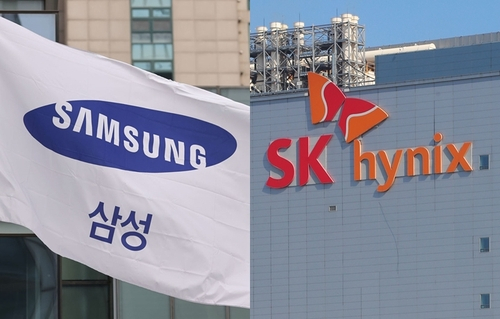
This article is by Kim Su-min, Lee Young-keun, Yi Woo-lim, Noh Yu-rim and read by an artificial voice. Korea's semiconductor boom is no longer just reshaping paychecks — it is redrawing apartment maps, luxury shopping trends and even the marriage market. The traditional white-collar formula in which elite university degrees and impressive credentials lead to high salaries is giving way to the era of the "silicon collar," where even high school graduates in the production sector — formerly looked down upon as "just" blue collar — can receive performance bonuses worth hundreds of millions of won by riding the semiconductor boom. The term "silicon collar" comes from silicon, the core material used in semiconductor wafers, and refers to a new class of high-income technology workers benefiting from the boom in advanced industries such as AI and semiconductors through massive bonuses and rising assets. One noticeable change is the younger demographic of homebuyers in the Hwaseong region in Gyeonggi, especially Dongtan, which has earned the nickname "double shuttle zone" because employee commute buses for both Samsung Electronics and SK hynix — the two most sought-after companies in Korea as of now — pass through the neighborhood. "Since late last year, the age group of employees from the two companies visiting to look at homes has become noticeably younger, as young as in their late 20s," a local real estate agent stated. "SK hynix employees in their 40s have recently been signing contracts for apartments worth around 2 billion won [$1.34 million], one after another," said a real estate industry source in Bundang District, Seongnam, Gyeonggi. On May 21, the day after Samsung Electronics management and labor reached an agreement on performance bonuses, charts estimating "which neighborhoods employees could afford based on rank" already began circulating online. The charts suggested that entry-level and assistant manager employees could afford homes in Dongtan and Gwanggyo, also in Gyeonggi, while department heads could move into affluent neighborhoods such as Seocho District, southern Seoul. Corporate ranks had effectively become shorthand for housing prices. The surge in demand from semiconductor money is also pushing up home prices. Apartment prices in Suji District, Yongin, Gyeonggi, rose a cumulative 7.97 percent through the third week of May, according to weekly housing data from the Korea Real Estate Board. That is 4.6 times higher than the 1.73 percent increase recorded during the same period last year. Cumulative gains this year in Bundang District, Seongnam, reached 5.71 percent, while prices rose 5.01 percent in Giheung District, Yongin, and 4.43 percent in Yeongtong District, Suwon, all outpacing Seoul's average increase of 3.42 percent. Dongtan District in Hwaseong, Gyeonggi, also outpaced Seoul, posting cumulative apartment price gains of 3.97 percent since separate tracking began in the second week of February. Dongtan District officially became a new administrative district in February this year. The "semiconductor money" is also reshaping Korea's luxury retail landscape. "Growth at stores in southern Gyeonggi, home to the country's 'semiconductor belt,' is approaching levels seen in major luxury shopping districts such as Gangnam District, [southern Seoul], and Myeongdong, [Jung District, central Seoul]," said a department store source. Luxury jewelry sales at Shinsegae South City, a department store in Yongin, surged 192.9 percent on year in the first quarter. Similarly, the sales of luxury designer goods at Lotte Department Store's Dongtan branch rose 40 percent. Employees from Samsung Electronics and SK hynix accounted for the largest share of members in "Club Friends," a paid membership program for office workers at Hyundai Department Store's Pangyo branch. Spending by the club members rose more than 50 percent year on year in the first quarter. The trend is also affecting Korea's marriage market. Marriage...

This article is by Kim Su-min, Lee Young-keun, Yi Woo-lim, Noh Yu-rim and read by an artificial voice. Korea's semiconductor boom is no longer just reshaping paychecks — it is redrawing apartment maps, luxury shopping trends and even the marriage market. The traditional white-collar formula in which elite university degrees and impressive credentials lead to high salaries is giving way to the era of the "silicon collar," where even high school graduates in the production sector — formerly looked down upon as "just" blue collar — can receive performance bonuses worth hundreds of millions of won by riding the semiconductor boom. The term "silicon collar" comes from silicon, the core material used in semiconductor wafers, and refers to a new class of high-income technology workers benefiting from the boom in advanced industries such as AI and semiconductors through massive bonuses and rising assets. One noticeable change is the younger demographic of homebuyers in the Hwaseong region in Gyeonggi, especially Dongtan, which has earned the nickname "double shuttle zone" because employee commute buses for both Samsung Electronics and SK hynix — the two most sought-after companies in Korea as of now — pass through the neighborhood. "Since late last year, the age group of employees from the two companies visiting to look at homes has become noticeably younger, as young as in their late 20s," a local real estate agent stated. "SK hynix employees in their 40s have recently been signing contracts for apartments worth around 2 billion won [$1.34 million], one after another," said a real estate industry source in Bundang District, Seongnam, Gyeonggi. On May 21, the day after Samsung Electronics management and labor reached an agreement on performance bonuses, charts estimating "which neighborhoods employees could afford based on rank" already began circulating online. The charts suggested that entry-level and assistant manager employees could afford homes in Dongtan and Gwanggyo, also in Gyeonggi, while department heads could move into affluent neighborhoods such as Seocho District, southern Seoul. Corporate ranks had effectively become shorthand for housing prices. The surge in demand from semiconductor money is also pushing up home prices. Apartment prices in Suji District, Yongin, Gyeonggi, rose a cumulative 7.97 percent through the third week of May, according to weekly housing data from the Korea Real Estate Board. That is 4.6 times higher than the 1.73 percent increase recorded during the same period last year. Cumulative gains this year in Bundang District, Seongnam, reached 5.71 percent, while prices rose 5.01 percent in Giheung District, Yongin, and 4.43 percent in Yeongtong District, Suwon, all outpacing Seoul's average increase of 3.42 percent. Dongtan District in Hwaseong, Gyeonggi, also outpaced Seoul, posting cumulative apartment price gains of 3.97 percent since separate tracking began in the second week of February. Dongtan District officially became a new administrative district in February this year. The "semiconductor money" is also reshaping Korea's luxury retail landscape. "Growth at stores in southern Gyeonggi, home to the country's 'semiconductor belt,' is approaching levels seen in major luxury shopping districts such as Gangnam District, [southern Seoul], and Myeongdong, [Jung District, central Seoul]," said a department store source. Luxury jewelry sales at Shinsegae South City, a department store in Yongin, surged 192.9 percent on year in the first quarter. Similarly, the sales of luxury designer goods at Lotte Department Store's Dongtan branch rose 40 percent. Employees from Samsung Electronics and SK hynix accounted for the largest share of members in "Club Friends," a paid membership program for office workers at Hyundai Department Store's Pangyo branch. Spending by the club members rose more than 50 percent year on year in the first quarter. The trend is also affecting Korea's marriage market. Marriage...

NOW PLAYING

Move over, white collar workers: 'Silicon collar' employees are reshaping neighborhoods and the marriage market

0:00 6:19

No transcript for this episode yet

We transcribe on demand. Request one and we'll notify you when it's ready — usually under 10 minutes.

Breaking News Show | eTurboNews Juergen Thomas Steinmetz News is relevant to the global travel and tourism industry, human rights and global issues.Breaking news when it happens and only from the source. French Your Way Jessica: Native French teacher founder of French Your Way Boost your French listening skills and test your comprehension with this one of a kind series of podcasts. Get the chance to listen to a real conversation between native speakers talking at normal speed AND customise your learning experience through carefully designed sets of questions (2 levels of difficulty) available for download at www.frenchvoicespodcast.com. All interviews also come with the transcript. French teacher Jessica interviews native speakers of French from around the world who share a bit of their life and passion. Where else would you meet in one same place a French yoga teacher based in Melbourne, a soap manufacturer from Provence, or a couple cycling around the world? HOMELAND HOMELAND The Church is a body not a building. It's the bride of Jesus Christ! Jesus is coming back for a mature bride. That means it's time for the church of Jesus Christ to move from milk to meat. This is the hour of maturity!HOMELAND is an announcement that the church is being set free. Only the church has the ability to transform the world. The kingdom's of this world will become the kingdoms of our Lord and Savior!All of creation has been waiting for this moment! Sons and daughters of God are rising up and taking their seat! PodQuesting Dwight J Randolph- WolfShield Media PodQuesting: -By WolfShield Media and Dwight J RandolphJoin us on an exciting journey to master the world of fiction podcasting! At PodQuesting, we document our quest to improve and innovate, sharing valuable insights, strategies, and behind-the-scenes tips along the way. Whether you're an experienced podcaster or just starting your first show, our podcast is your go-to resource for everything podcasting.Discover practical advice, creative techniques, and lessons from our own experiences as we explore the ever-evolving podcasting landscape. Ready to level up your skills and embark on this adventure with us? Tune in and join the quest!Have questions or feedback? Reach out to us at [email protected] and visit our website:WolfShield.Media

Frequently Asked Questions

How long is this episode of Korea JoongAng Daily - Daily News from Korea?

This episode is 6 minutes long.

When was this Korea JoongAng Daily - Daily News from Korea episode published?

This episode was published on May 29, 2026.

What is this episode about?

This article is by Kim Su-min, Lee Young-keun, Yi Woo-lim, Noh Yu-rim and read by an artificial voice. Korea's semiconductor boom is no longer just reshaping paychecks — it is redrawing apartment maps, luxury shopping trends and even the marriage...

Can I download this Korea JoongAng Daily - Daily News from Korea episode?

Yes, you can download this episode by clicking the download button on the episode player, or subscribe to the podcast in your preferred podcast app for automatic downloads.
URL copied to clipboard!