Mrs Cao episode artwork

EPISODE · Mar 22, 2007 · 6 MIN

Mrs Cao

from WebSpanish · host WebSpanish

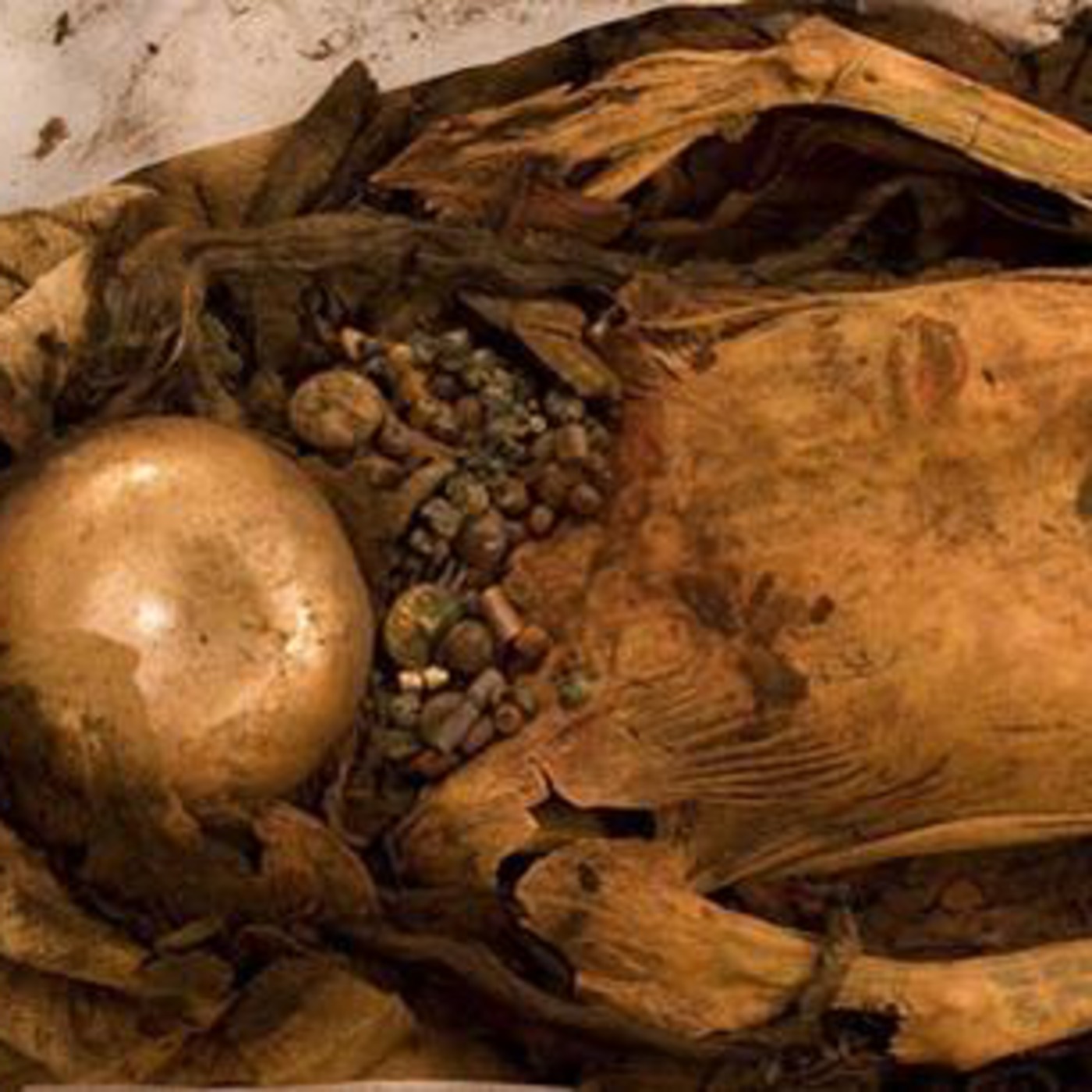
Señora de Cao is called a mummy belonging to a ruler of the Mochica culture that ruled northern cree Peru Current in the fourth century AD After its discovery in the department of La Libertad and the rigor of scientific research, advances were made known on May 15, 2006, by a team of Peruvian archaeologists led by Regulo Franco Jordán, National Institute of Culture with the cooperation Foundation's financial Augusto N. Wiese. Its discovery is compared with that of the Lord of Sipan. Before the discovery, it was thought that only men engaged in the former senior Peru. The luxury of the clothes and ornaments to accompany the funerary bundles of women confirmed the status of the ruler. The death of the ruler of the Mochica culture occurred in approximately 400 d. C., about 150 years after the heyday of the Lord of Sipan, who is considered the oldest leader who is known in this region of northern Peru. It is believed that the lady had status in society theocratic ruler of the valley of Chicama, in addition to being considered a character almost divine. The mummified remains of women, 1.45m tall and between 20 and 25 years, 18 were covered by necklaces of gold, silver, lapizlázuli, quartz and turquoise, thirty nose ornaments of gold and silver, copper crowns and diadems gold. The body of the lady has tattoos of snakes and spiders, yet visible, representing the fertility of the land but could also indicate their guesses as gifts. The preservation of the corpse, and some clothing, was possible because it unto sulphate of mercury, a poisonous substance in bacteria that could have damaged the body. The tomb was found in the "huaca (ceremonial center) Cao Viejo, located in the El Brujo archaeological complex, which lies in the district of Magdalena de Cao in the department of La Libertad, about 700 kilometers north of Lima and 60 kilometers north of Trujillo. In this place, is preparing a special exhibition hall for this mummy. The complex consists of five pyramids of mud. The tomb was found in a platform, which preserves the rains of this coastal area and the effect of the subsurface water table. In the tomb were found wooden scepters lined copper, used in ceremonies as symbols of power and hegemony, and several loose sheets of metal covering the shroud of natural cotton. Sites of Interest: Online Education - The best choice in online education find it on this page. Auto Insurance rates in Ontario - Auto Insurance rates in Ontario are easy to compare through kanetix.ca. You can get several competing auto insurance rates in Ontario from multiple auto insurance companies for free. Save on your Ontario auto insurance policy today! How to sing high notes - Learn how you can become a famous singer with a powerful singing voice!

Episode metadata supplied by the publisher feed · Published Mar 22, 2007

Señora de Cao is called a mummy belonging to a ruler of the Mochica culture that ruled northern cree Peru Current in the fourth century AD After its discovery in the department of La Libertad and the rigor of scientific research, advances were made known on May 15, 2006, by a team of Peruvian archaeologists led by Regulo Franco Jordán, National Institute of Culture with the cooperation Foundation's financial Augusto N. Wiese. Its discovery is compared with that of the Lord of Sipan. Before the discovery, it was thought that only men engaged in the former senior Peru. The luxury of the clothes and ornaments to accompany the funerary bundles of women confirmed the status of the ruler. The death of the ruler of the Mochica culture occurred in approximately 400 d. C., about 150 years after the heyday of the Lord of Sipan, who is considered the oldest leader who is known in this region of northern Peru. It is believed that the lady had status in society theocratic ruler of the valley of Chicama, in addition to being considered a character almost divine. The mummified remains of women, 1.45m tall and between 20 and 25 years, 18 were covered by necklaces of gold, silver, lapizlázuli, quartz and turquoise, thirty nose ornaments of gold and silver, copper crowns and diadems gold. The body of the lady has tattoos of snakes and spiders, yet visible, representing the fertility of the land but could also indicate their guesses as gifts. The preservation of the corpse, and some clothing, was possible because it unto sulphate of mercury, a poisonous substance in bacteria that could have damaged the body. The tomb was found in the "huaca (ceremonial center) Cao Viejo, located in the El Brujo archaeological complex, which lies in the district of Magdalena de Cao in the department of La Libertad, about 700 kilometers north of Lima and 60 kilometers north of Trujillo. In this place, is preparing a special exhibition hall for this mummy. The complex consists of five pyramids of mud. The tomb was found in a platform, which preserves the rains of this coastal area and the effect of the subsurface water table. In the tomb were found wooden scepters lined copper, used in ceremonies as symbols of power and hegemony, and several loose sheets of metal covering the shroud of natural cotton. Sites of Interest: Online Education - The best choice in online education find it on this page. Auto Insurance rates in Ontario - Auto Insurance rates in Ontario are easy to compare through kanetix.ca. You can get several competing auto insurance rates in Ontario from multiple auto insurance companies for free. Save on your Ontario auto insurance policy today! How to sing high notes - Learn how you can become a famous singer with a powerful singing voice!

PodParley-generated summary based on available episode metadata and transcript content.

NOW PLAYING

Mrs Cao

0:00 6:55

No transcript for this episode yet

We transcribe on demand. Request one and we'll notify you when it's ready — usually under 10 minutes.

No similar episodes found.

No similar podcasts found.

Frequently Asked Questions

How long is this episode of WebSpanish?

This episode is 6 minutes long.

When was this WebSpanish episode published?

This episode was published on March 22, 2007.

What is this episode about?

Señora de Cao is called a mummy belonging to a ruler of the Mochica culture that ruled northern cree Peru Current in the fourth century AD After its discovery in the department of La Libertad and the rigor of scientific research, advances were...

Can I download this WebSpanish episode?

Yes, you can download this episode by clicking the download button on the episode player, or subscribe to the podcast in your preferred podcast app for automatic downloads.
URL copied to clipboard!