MSF and the Rohingya 1992 - 2014 - Episode 1: Bangladesh in the 1990s episode artwork

EPISODE · Nov 25, 2025 · 41 MIN

MSF and the Rohingya 1992 - 2014 - Episode 1: Bangladesh in the 1990s

from Speaking Out

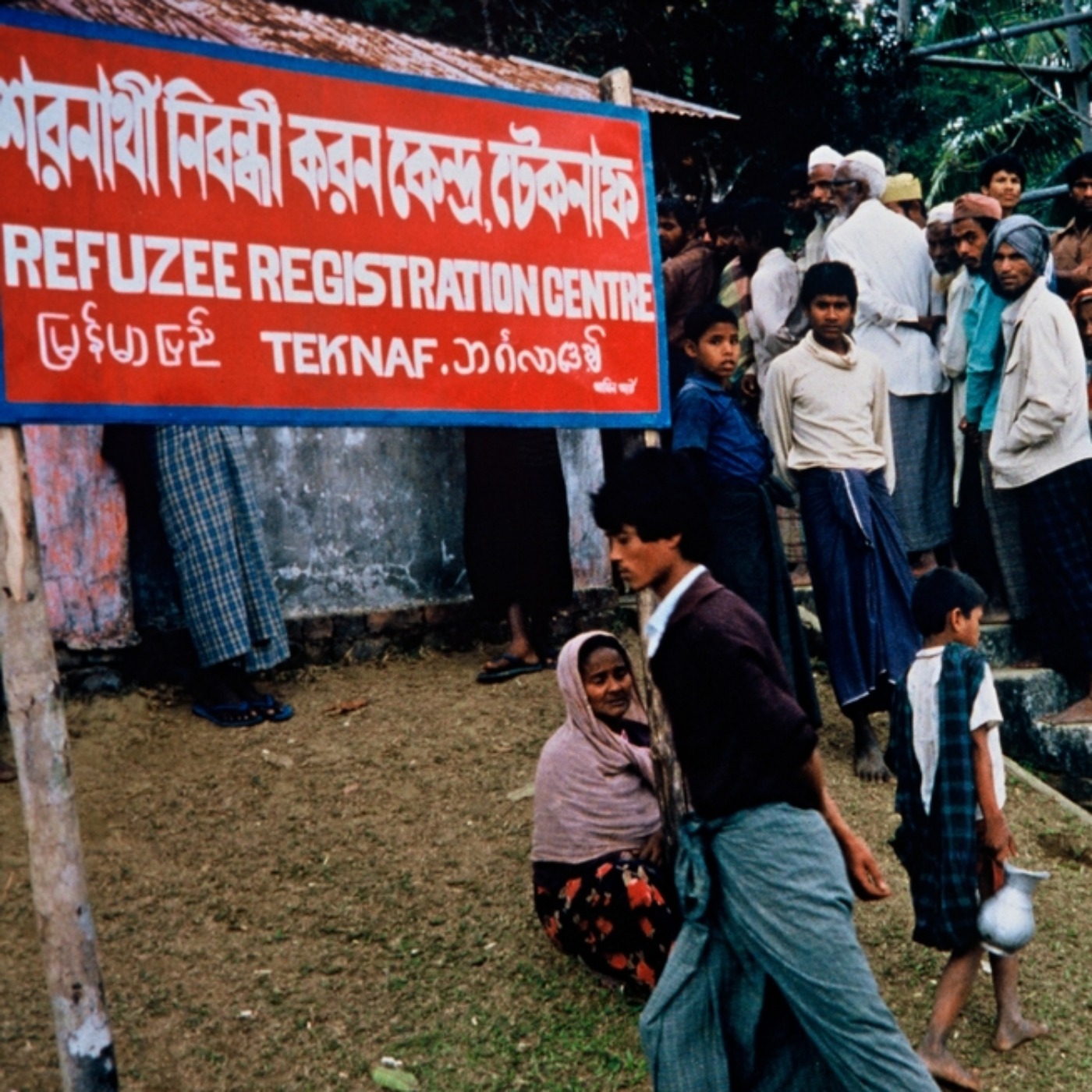
Episode 1: Bangladesh in the 1990s In 1991–1992, Myanmar’s military repression forces over 250,000 Rohingya to flee to Bangladesh, where they settle in refugee camps. In the camps near Cox’s Bazar, MSF observes dire living conditions and violence, while Bangladeshi authorities limit aid and force repatriations. MSF engages in “silent advocacy,” raising concerns only with political stakeholders in order to maintain activities in the camps. This episode highlights enduring dilemmas in MSF’s humanitarian approach with the Rohingya: publicly speaking out versus staying silent to preserve access.***This podcast series is adapted from the MSF Speaking Out Case Study “MSF and the Rohingya 1992 – 2014”.It brings to light two decades of MSF advocacy activities as part of its humanitarian assistance to the Rohingya people in Bangladesh and Myanmar.It examines the challenges that MSF teams in the field and headquarters encountered when deciding whether and how MSF could publicly speak out about the plight of the Rohingya facing persecutions and violence in Myanmar and Bangladesh. During the 1992-2014 period, MSF worked mostly through diplomatic channels “behind closed doors” to advocate about the Rohingya’s plight with foreign diplomats and United Nations agencies. This “silent advocacy” was challenged within MSF by those who felt that the lack of public speaking out meant MSF was abandoning a persecuted population. To maintain an operational presence without speaking out publicly was not seen as an ethically justifiable option for an independent and impartial humanitarian organisation like MSF.Over 7 episodes, the podcast explores the challenges, dilemmas and internal disagreements underlying MSF’s humanitarian response to assist the Rohingya under the Myanmar authoritarian regime.***This podcast series is written, produced and mixed by Andrea Rangecroft.  Editorial direction is from Nancy Barrett and Laurence Binet. The narrator is Claire Lubert. Extracts are read by Clive Hayward and Lucy Scott  The voiceovers are by Kevin Halliwell, Charles Nove and Alex Vincent.  The music is by Lost Harmonies and Peter Sandberg.  Photo crédits: Generic MSFA special thanks to Rian Landman   Hosted on Acast. See acast.com/privacy for more information.

Episode 1: Bangladesh in the 1990s In 1991–1992, Myanmar’s military repression forces over 250,000 Rohingya to flee to Bangladesh, where they settle in refugee camps. In the camps near Cox’s Bazar, MSF observes dire living conditions and violence, while Bangladeshi authorities limit aid and force repatriations. MSF engages in “silent advocacy,” raising concerns only with political stakeholders in order to maintain activities in the camps. This episode highlights enduring dilemmas in MSF’s humanitarian approach with the Rohingya: publicly speaking out versus staying silent to preserve access.***This podcast series is adapted from the MSF Speaking Out Case Study “MSF and the Rohingya 1992 – 2014”.It brings to light two decades of MSF advocacy activities as part of its humanitarian assistance to the Rohingya people in Bangladesh and Myanmar.It examines the challenges that MSF teams in the field and headquarters encountered when deciding whether and how MSF could publicly speak out about the plight of the Rohingya facing persecutions and violence in Myanmar and Bangladesh. During the 1992-2014 period, MSF worked mostly through diplomatic channels “behind closed doors” to advocate about the Rohingya’s plight with foreign diplomats and United Nations agencies. This “silent advocacy” was challenged within MSF by those who felt that the lack of public speaking out meant MSF was abandoning a persecuted population. To maintain an operational presence without speaking out publicly was not seen as an ethically justifiable option for an independent and impartial humanitarian organisation like MSF.Over 7 episodes, the podcast explores the challenges, dilemmas and internal disagreements underlying MSF’s humanitarian response to assist the Rohingya under the Myanmar authoritarian regime.***This podcast series is written, produced and mixed by Andrea Rangecroft.  Editorial direction is from Nancy Barrett and Laurence Binet. The narrator is Claire Lubert. Extracts are read by Clive Hayward and Lucy Scott  The voiceovers are by Kevin Halliwell, Charles Nove and Alex Vincent.  The music is by Lost Harmonies and Peter Sandberg.  Photo crédits: Generic MSFA special thanks to Rian Landman   Hosted on Acast. See acast.com/privacy for more information.

NOW PLAYING

MSF and the Rohingya 1992 - 2014 - Episode 1: Bangladesh in the 1990s

0:00 41:28

No transcript for this episode yet

We transcribe on demand. Request one and we'll notify you when it's ready — usually under 10 minutes.

No similar episodes found.

No similar podcasts found.

Frequently Asked Questions

How long is this episode of Speaking Out?

This episode is 41 minutes long.

When was this Speaking Out episode published?

This episode was published on November 25, 2025.

What is this episode about?

Episode 1: Bangladesh in the 1990s In 1991–1992, Myanmar’s military repression forces over 250,000 Rohingya to flee to Bangladesh, where they settle in refugee camps. In the camps near Cox’s Bazar, MSF observes dire living conditions and violence,...

Can I download this Speaking Out episode?

Yes, you can download this episode by clicking the download button on the episode player, or subscribe to the podcast in your preferred podcast app for automatic downloads.
URL copied to clipboard!